Search This Blog

Sunday, 14 May 2017

10 Most Notable Woman in the Fairy Tale Genre

The most famous people associated with the fairy tale genre (such as Charles Perrault, the Brothers Grimm, Hans Christian Andersen, Andrew Lang and Walt Disney) have tended to be male. However, fairy tales actually have their roots in tales told by women, about female desires and insecurities. The dominance of female protagonists and antagonists in these stories, as well as the fantasy setting, ensure that they are primarily associated with a female audience. Recently, there has been increased focus on making fairy tales more feminist, but female writers and storytellers have always been integral figures in the fairytale genre. In order to highlight this, here is a list of ten of the most notable and interesting women who have helped make fairy tales so popular and successful.

These women represent various facets of the fairytale world, ranging from adults-only stories to Disney films. The list includes writers, translators, and storytellers, and covers a period of 350 years. This only scratches the surface – there are numerous great female authors and storytellers who were not included here. However, the women on this list have had the greatest influence on the development of the fairy tale genre.

(Note - This article does not include female illustrators such as Jane Ray, Lisbeth Zwerger or Emma Chichester-Clark or female scholars such as Maria Tatar and Marina Warner. This blog will feature articles about them in the future, but for now, we shall focus on storytellers only.)

Madame D’Aulnoy (c.1650-1705)


Although she was not the first author in the fairytale genre, Madame D’Aulnoy was the person who invented the term “fairy tale”. This was derived from Les Contes Des Fees, a collection of stories which she published between 1696 and 1698. The facts about D’Aulnoy’s life are notoriously unreliable, but most historians believe that her writing career started in 1690, when she established a literary salon in Paris. Before then, she had been in an arranged marriage to a baron later imprisoned for treason and was allegedly involved in several affairs. This gave D’Aulnoy a scandalous reputation, but the fairy tales she told in her salon helped her gain respectability as an intellectual. She also wrote a number of historical novels, and was even elected into the prestigious Accademia Galileiana.

D’Aulnoy often used her fairy tales to address contemporary issues. Given that she was active in an era where criticising the French monarchy could have incredibly unpleasant consequences, the subversive undertones of D’Aulnoy’s stories, such as 'The Ram' and 'The Blue Bird', were pretty radical by the standards of the era. These tales often had strong autobiographical elements, dealing with taboo subjects such as arranged marriages, sexual harassment, and the failings of the monarchy. The stories which D’Aulnoy wrote were aimed solely at the patrons of her salon - she had no interest in appealing to children. However, as her tales became popular, they inspired several imitators and got translated into English in 1699. Although D’Aulnoy’s work is overshadowed by the more iconic stories of contemporary Charles Perrault, she deserves recognition for her role in establishing the fairy tale genre and allowing it to gain a greater degree of prominence.

Jeanne-Marie Leprince De Beaumont (1711-1780)
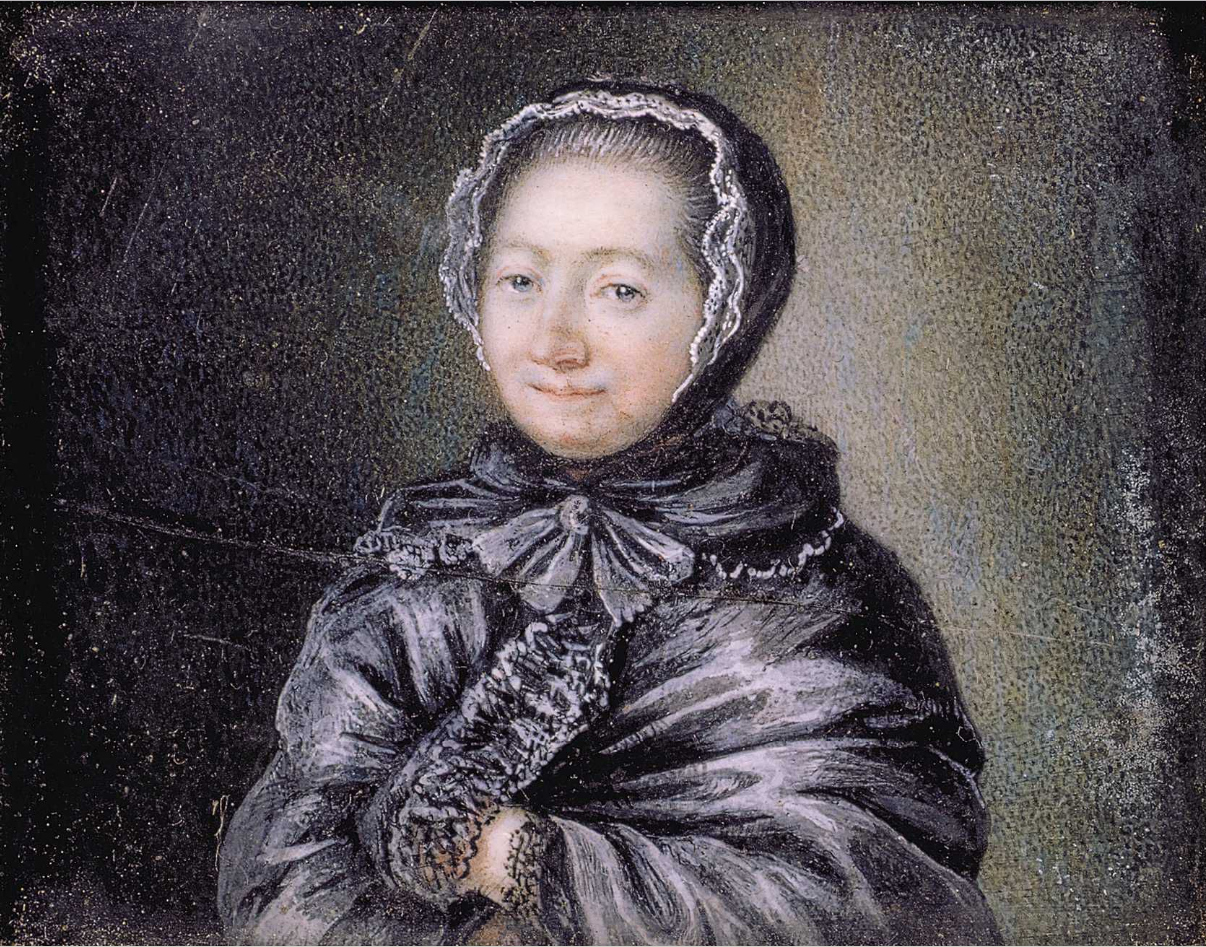

Jeanne-Marie Leprince De Beaumont is another major French fairy tale author, but her primary claim to fame is her role in popularising one especially legendary fairy tale. However, the popularity of Beauty and the Beast should not distract from the rest of Leprince De Beaumont’s work. In 1748, Jeanne-Marie Leprince De Beaumont moved to London, where she gained a job instructing the daughters of prominent aristocrats. This inspired her to establish the journal Les Magasins Des Enfants, which used dialogue format to teach a range of subjects to young girls. It also featured retellings of fairy tales and famous myths and legends. Les Magasins Des Enfants was incredibly popular (130 editions were published in France in the 130 years after it was first published) and as a result of the journal, the fairytale genre began to be primarily associated with child audiences.

Leprince De Beaumont’s greatest success came when she published her version of Gabrielle Suzanne Barbot De Villeneuve’s fairy tale Beauty and the Beast in 1756. Whilst Villeneuve’s 100-page version was incredibly convoluted, with its use of parrot and monkey servants and a subplot about evil fairies at war with humans, Leprince De Beaumont provided a more appealing, if didactic, version. As the appeal of the Beauty and the Beast story lies in the simplicity of the premise (as well as its message about not judging people by appearances), Leprince de Beaumont’s changes allowed the fairy tale to gain greater exposure and wider circulation, ensuring that it became one of the most iconic stories of all time.

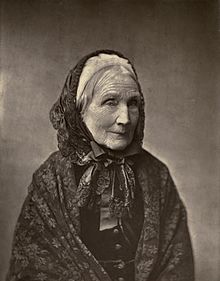
Dortchen Wild (1793-1867) and Dorothea Viehmann (1755-1816)
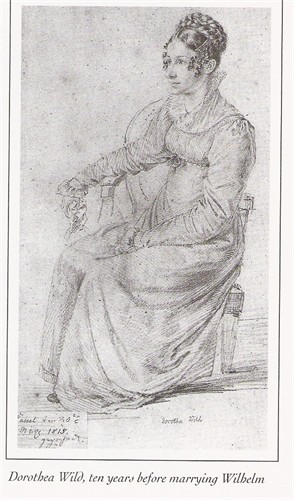


This is an unusual entry for two reasons.  It lists two women instead of one, and these women never published any material. However, Dortchen Wild and Dorothea Viehmann are probably the two most important people on this list. When the Brothers Grimm created their famous book Children and Household Tales, they collected stories told directly to them by members of the middle class. The majority of people who aided the Brothers Grimm were women, including Maria Hassenpflug and Julia and Charlotte Ramus. However, Wild and Viehmann were the two most notable contributors.

Wild contributed stories such as 'The Frog King', 'Hansel and Gretel', 'The Six Swans' and 'Rumpelstiltskin', often assisted by her family, whilst Viehmann told the Brothers Grimm 'The Musicians of Bremen', and contributed to their retelling of 'Cinderella'. Although The Brothers Grimm continually edited the stories throughout their career, they still expressed respect for the women who created them. They singled out Viehmann for praise due to her ability at telling her stories multiple times without changing a single word, making them easy to transcribe, whilst Wilhelm Grimm eventually married Wild. Viehmann, Wild and the other ordinary women who provided fairy tales for the Brothers Grimm deserve to be celebrated. Without them, the defining book in the fairy tale genre would not have existed.

Mary Howitt (1799-1888)

Translators are often underappreciated, as their work simply involves taking an existing work and retelling it in a different language. However, translators can allow great works from foreign authors to gain the attention of international audiences. For this reason, Mary Howitt deserves recognition for being one of the first people to translate the stories of Hans Christian Andersen for British readers.

Howitt’s book Wonderful Stories for Children, first published in 1846, featured translations of ten Hans Christian Andersen stories, including 'Ollie Shuteye', 'Little Ida’s Flowers' and 'The Steadfast Tin Soldier'. She also translated Andersen’s autobiographical novel The Improvisatore and works from the Swedish feminist author Fredrika Bremer. Outside of her work as a translator, Howitt wrote 180 books for children, as well as the famous 1829 poem 'The Spider and the Fly'.

By modern standards, Howitt’s translations were not very impressive. In spite of her knowledge of Scandinavian languages, she secretly translated most of the tales from German editions of Andersen’s work, even though he personally told her not to do this. Worse still, she often removed the vivid descriptions and realistic messages of Andersen’s tales in order to promote her own moralistic worldview. However, Howitt still managed to introduce Andersen’s work to influential figures such as Charles Dickens, and played an invaluable role in making them popular with the wider British public.

Juliana Horatia Ewing (1841-1885)
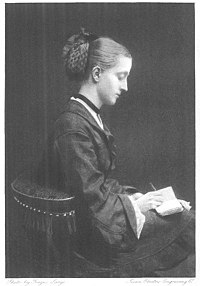

During the nineteenth century, fairy tales were especially popular in Britain, as authors such as George Macdonald and Oscar Wilde responded to a rapidly changing and increasingly industrialised society by providing fairy tales set within a fantasy environment. They did this with the aim of getting middle-class audiences to face up to the challenges and concerns of the era. Among the authors using the fairy tale genre to deal symbolically with important issues were several women, such as Mary de Morgan, Edith Nesbit, and Evelyn Bland. However, the most significant female author during the period was Juliana Horatia Ewing.

The daughter of Margaret Gatty, famous for didactic children’s books such as The Fairy Godmother and Other Tales, Ewing adopted her own style, which combined the strong Anglican values of her mother’s work with a more light-hearted, subtle approach. Her tales, collected in books such as  Old-Fashioned Fairy Tales, could also convey feminist messages, with many showing resourceful female protagonists outwitting tyrants and monsters. Ewing also edited her mother’s periodical Aunt Judy’s Magazine for Young People, where she initially published many of her stories. Ewing influenced children’s authors such as Frances Hodgson Burnett and Rudyard Kipling, and inspired Robert Baden-Powell to set up the Girl Guides movement. Like all the best children’s authors, Ewing’s work remains timeless, and it deserves to gain the attention of a modern audience.

Leonora Blanche Alleyne (1851-1933)


Leonora Blanche Alleyne was the wife of Andrew Lang, one of Britain’s most iconic fairy tale authors. He was notable for highlighting the role which folk tales could play in understanding ancient customs, and wrote a number of original fairy tales, such as The Princess Nobody. However, Alleyne made valuable contributions to many of Lang’s successes.  

Lang is best known for his series of ‘coloured’ fairytale collections published between 1889 and 1910, ranging from The Blue Fairy Book to The Lilac Fairy Book. However, Alleyne was actually the one most responsible for bringing the anthologies to life. She received aid from a number of female translators and editors, who translated and adapted tales from a number of countries (ranging from France and Germany to Iceland and Armenia). That said, it was Alleyne who translated most of the stories, and her influence was exerted in various ways, as strong female heroines appeared in many stories, and there were warnings that certain tales were more suited to children of different ages. Lang himself later admitted that “these fairytalebooks have been almost wholly the work of Mrs. Lang”, claiming that, like Eve in the Garden of Eden, she did all the work under his supervision. The work of Alleyne and her assistants has often been overlooked, but they deserve to be recognised on their own terms, and not just through their association with Andrew Lang.

Ivana Brlic-Mazuranic (1874-1938)


The Croatian children’s author Ivana Brlic-Mazuranic is probably the most obscure name on this list, but it is definitely worth learning more about her. In 1913, her story The Brave Adventures of Lapitch launched her to prominence, but her signature work is Croatian Tales of Long Ago. This collection has been likened to the work of Hans Christian Andersen due to Brlic-Mazuranic’s ability at creating original stories based on Croatian folk tales and legends, with innocent yet fallible protagonists and strong Christian themes. During the 1930’s, Brlic-Mazuranic was nominated for the Nobel Prize in Literature four times, although she never won.

Today, Brlic-Mazuranic remains one of Croatia’s most iconic figures. A 2013 adaptation of The Brave Adventures of Lapitch became the highest-grossing Croatian children’s film since the nation gained independence, and a computer project based on Croatian Tales From Long Ago has allowed Brlic-Mazuranic to become popular with a new generation. In 2013, Ivana’s House of Fairytales was opened in her hometown of Ogulin, containing such attractions as a magic forest and a fairy-tale jukebox. The popularity of this museum confirms Brlic-Mazuranic’s status as a Croatian national treasure.

Angela Carter (1940-1992)
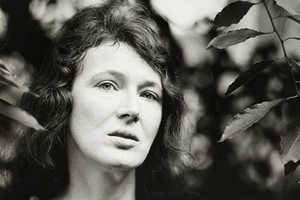

Adults-only fairy tales have become a pretty significant subgenre in recent years, as writers emphasise the darker, more sexualised undercurrents lurking beneath classic fairy tales. The person most responsible for this trend is Angela Carter, the author of the iconic short-story collection The Bloody Chamber, published in 1979.

The title story, an adaption of the already twisted French fairytale Bluebeard, re-imagined the eponymous wife-murdering villain (renamed “the Marquis” by Carter after the infamous Marquis De Sade) as a sexual sadist whose mysterious locked room is an underground torture chamber. Other stories in the collection adapted iconic (and predominantly French) fairy tales such as Beauty and the Beast and Little Red Riding Hood, using them to shine a light on taboo issues ranging from sexual awakenings to necrophilia. Carter specialised in vivid and evocative descriptions, and these enhanced the mysterious and atmospheric fairy-tale atmosphere of her stories.

Apart from The Bloody Chamber, Carter wrote several novels, such as Nights at the Circus and Wise Children, and translated the fairy tales of Charles Perrault. In 1984, she wrote the screenplay to the acclaimed horror film The Company of Wolves, adapted from a story in The Bloody Chamber (One of three stories in the collection based on Little Red Riding Hood). Carter died in 1992, at the relatively young age of 51, but not before introducing adults to the fairytale genre, inspiring modern fairytale authors such as Neil Gaiman.

Geraldine McCaughrean (Born 1951)


Although relatively few people have heard of her outside of the UK, Geraldine McCaughrean is one of the most prolific children’s authors in Britain. She has written around 170 books, mostly aimed at children. These include collections of fairy tales, retellings of famous ballets such as Swan Lake and Giselle, collections of international myths and legends and retellings of classic stories such as The Canterbury Tales. Her retellings preserve the appeal of the classic source material, whilst adding a variety of personal touches to make them stand out.

In 2005, the Trustees of Great Ormond Street Hospital chose McCaughrean to write an official sequel to J.M Barrie’s iconic novel Peter Pan, ahead of 200 other applicants. Peter Pan in Scarlet was published the following year, becoming McCaughrean’s best-known work. Throughout her career, McCaughrean has played an invaluable part in introducing millions of British children to fairy tales and classic literature. However, she has also provided her fair share of original stories, including her latest, Where the World Ends, set in the Outer Hebrides during the early 18th century. 

Jennifer Lee (Born 1971)


Initially, Disney were dominated by male directors and screenwriters, with women often being consigned to minor roles in the animation department. However, as Disney strived to provide increasingly active and developed female protagonists, women gained increased influence within the studio and began to exert influence over the stories Disney were telling. Linda Woolverton overcame interference from producers to write the script for the 1991 adaptation of Beauty and the Beast, and Brenda Chapman was a key force in making Pixar’s 2012 film Brave (set in medieval Scotland) even though she was fired as director in the middle of production. However, as the writer and director of Disney’s most successful animated movie, Frozen, Jennifer Lee is probably the most important woman to work for Disney.

After helping to write the screenplay to Disney’s 2012 hit Wreck-it-Ralph, Lee was hired to write Frozen, eventually becoming its co-director. Lee was responsible for many of the most important features of the movie, using her own relationship with her elder sister as inspiration when developing the relationship between Anna and Elsa. She also emphasised the musical aspects of the movie (Paving the way for songs such as “Let It Go”), and decided to focus on the concept of love overcoming fear. These decisions paid off, and as a result of Frozen’s extraordinary success, Lee became the first women ever to direct a film grossing more than $1 billion.

Lee has become an integral member of Disney’s creative team, co-writing the story for Zootropolis. In addition, she is writing an adaptation of Madeleine L’Engle’s 1962 children’s novel A Wrinkle in Time, due to be released in March 2018. However, the Frozen franchise will take up the majority Lee’s time for the next few years, as she will write the book for the stage version of Frozen, then write and co-direct the much-anticipated Frozen 2, due at the end of 2019. 

Wednesday, 29 March 2017

Beauty and the Beast Review

(NOTE: This Review Contains Some Minor Spoilers, So Be Careful...)


Who Made Beauty and the Beast?

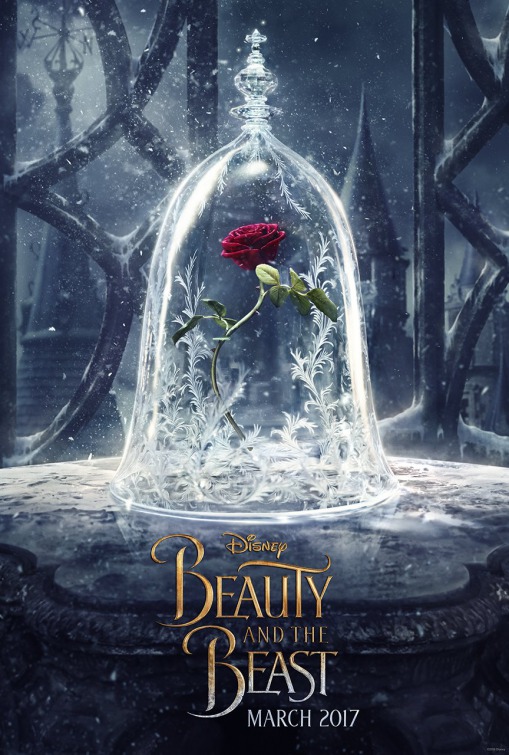
Beauty and the Beast is a live-action remake of Disney’s 1991 animated film of the same name, which was in turn based on the famous fairy tale, first published by in 1740. This version is directed by Bill Condon, and the screenplay is written by Stephen Chbosky and Evan Spiliotopoulos, (based on Linda Woolverton's screenplay for the original)

What’s It About?

Beauty and the Beast is about Belle (played by Emma Watson), whose love of reading makes her an outcast in the French village of Villeneuve. When her father, Maurice (played by Kevin Kline) gets lost in the woods, he stumbles upon the castle of the Beast (played by Dan Stevens) a prince who was cursed by an enchantress for his selfish behaviour. When the Beast imprisons Maurice, Belle volunteers to take her father’s place in the decaying castle, which is inhabited by the Beast and a team of servants who has been turned into enchanted objects by the curse, including Lumiere the Candelabra (voiced by Ewan McGregor), Cogsworth the Clock (voiced by Ian McKellen) and Mrs. Potts the Teapot (voiced by Emma Thompson). Over time, Belle finds out that the Beast is not as unpleasant as he initially seemed, and begins to develop a closer relationship with him. However, the narcissistic hunter Gaston (played by Luke Evans) wants Belle for himself, and is willing to use increasingly nefarious means to get her hand in marriage. Furthermore, if the Beast cannot get Belle to admit her love for him, he and his staff will remain in their cursed forms forever.

My Review

As a remake of one of the most beloved animated films of all time, the new live-action version of Beauty and the Beast has been under considerable pressure to measure up to the high standards set by the original. Many people have argued that turning Beauty and the Beast into a live-action film is unnecessary, but the story of Belle and the Beast has been adapted for many forms of entertainment since its release, including video games and comic books. With its increased length and extra musical numbers, this live-action remake of Beauty and the Beast is closest to the stage version which ran on Broadway for 13 years. Adapting Beauty and the Beast into live-action provides a set of interesting advantages and challenges, and it is fun to see the cast and crew behind the movie deal with these. For the most part, Beauty and the Beast translates well to live-action, ensuring this version is enjoyable to watch.

The main difference between the original film and the remake is apparent in the first few seconds. The opening narration explaining how the Beast and his staff got cursed has been transformed into a full prologue which gives us our first look at these characters. In place of images on a stained-glass window, we get a scene showing off a cast of dozens dancing in an opulent ballroom, before the enchantress reveals herself in a burst of special effects. This scene makes it clear that the live-action remake is going to emphasise scale and spectacle, and this approach is sustained throughout Beauty and the Beast – every cent of the movie’s $160 million dollar budget seems to have been spent on making it look as magnificent as possible. The visuals are the strongest aspect of the movie by some distance. The large cast makes the bustling town of Villeneuve and the Beast’s giant castle seem impressively authentic, the sets are spectacular, and the special effects are generally pretty impressive. Whilst the new looks for Cogsworth, Lumiere and the other enchanted objects in the castle staff seem a bit creepy at times, the interactions between these CGI characters and people like Belle feel almost completely natural.

Beauty and the Beast starts pretty slowly. Though the first hour or so of the movie does a good job of highlighting Belle’s status as a misfit, but it takes a while to set up the story, the Beast is a bit underdeveloped early on, and in spite of the great visuals and songs, it’s hard to connect with the characters.  However, the film is much stronger in the second half. Belle’s interactions with the Beast are particularly enjoyable, as they realise that they have a number of common interests, and it becomes clear that the two have plenty of chemistry. A climactic fight between the Enchanted Objects and an angry mob sent by Gaston to storm the Beast’s castle is wonderfully over the top, and, although the climax is a bit overlong, the closing scenes are very sweet. Although the story of Beauty and the Beast is one we all know by heart, there are enough interesting elements in this version to make it feel engaging and satisfying in its own right.

In addition to affecting the look and feel of the film, the transition from animation to live-action has also had a considerable impact on the portrayal of some of the characters, with some who were portrayed in a cartoonish fashion in the original being given greater depth. Maurice, initially a ridiculous oddball in the original, is a much more serious figure here, whilst Gaston’s henchman LeFou (played by Josh Gad) is transformed from a clownish victim of slapstick injuries to an initially loyal assistant who becomes increasingly uncomfortable with Gaston’s actions as the story progresses. Gaston is also portrayed in a much more realistic manner, as we see more of his ability to lie and manipulate others, and his failure to obtain his goals causes him to succumb to his violent instincts. Although Gaston still gets some funny moments, the comedic aspects of his character are downplayed compared to the original film. However, after Frozen, having a handsome and seemingly heroic individual who turns out to be a self-serving scumbag is no longer a novelty. Thus, with his macho nature toned down, this incarnation of Gaston is not quite as memorable as he was in the original film. Overall, the medium of live-action prevents the characters from being as expressive as they were in the animated version, but they have enough personality to prevent this from being too much of a problem.

All the classic songs from the original Beauty and the Beast are retained in this version, and they are generally used well. “Belle” benefits from the increased scale of this adaptation (which amplifies the energy and activity of the song), and “Be Our Guest” is great fun– It’s not every day you see cutlery and feather dusters put on a grand musical number. That said, there are instances where the use of songs from the original film can be a liability. For example, the cartoonish excesses of Gaston’s eponymous song clash with the more realistic portrayal of the character in this version, and Emma Thompson’s rendition of “Beauty and the Beast” lacks the power of Angela Lansbury’s original. However, Howard Ashman’s lyrics and Alan Menken’s score are always excellent to listen to, and it’s a pleasure to hear these great songs sung by famous actors. In addition to the six songs from the original movie, there are three new ones, “How Does a Moment Last Forever?”, “Days in the Sun“, and “For Evermore“. All of these are emotional ballads, with “For Evermore” proving to be the strongest, as Dan Stevens captures the power of the lyrics.

In addition to the new songs, the live-action remake has several new elements, which make the movie about 40 minutes longer than the original. Some of these are totally superfluous, such as the new character Cadenza (an enchanted harpsichord voiced by Stanley Tucci) and unnecessary revelations about Mrs. Potts (who has a husband who lives in Villeneuve) and the Beast (whose initial nature was due to the influence of his tyrannical father). There is also a magical book which can transport Belle and the Beast to any time and place they wish to visit (leading to a scene where Beast learns about Belle’s past). This is an interesting idea, but belongs in another movie where it would have a larger role and get used in a more satisfying fashion. However, a couple of changes which add to the fairy tale feel of the story are more effective. The enchantress who cursed the Beast has a much larger role in the story, and the scene where Maurice comes across the Beast’s castle is changed to make it closer to the original 18th century version of Beauty and the Beast. These two twists increase the mystery of the story instead of removing it. Sometimes, less is more, and that lesson even applies to lavish live-action remakes of Disney classics…

One of the advantages of doing Beauty and the Beast in live-action is the all-star cast. Emma Watson is a strong and lively Belle, never feeling like a damsel-in-distress. Her status as an intelligent misfit makes her an appealing and relatable protagonist. Dan Stevens capably handles the Beast’s changes in personality, as he evolves from an intimidating monster to a likeable love interest with a dry sense of humour. Luke Evans is effective as a more menacing incarnation of Gaston. Josh Gad gets some funny lines as LeFou, but his eventual redemption something of a foregone conclusion –Gad is too likeable to play a straightforward villain. Kevin Kline is a real standout as Maurice, the character who has been most improved from his incarnation in the animated film, and his relationship with Belle makes a refreshing change from the strict father/rebellious daughter dynamic traditionally associated with Disney. The Enchanted Objects are all likeable characters, but it’s a bit distracting to hear the likes of Ewan McGregor and Stanley Tucci put on a French accent. The singing is mostly strong. Although Emma Watson sounds a little auto-tuned at times, she generally conveys the emotion of all her songs very well. Taking their musical theatre backgrounds into account, it’s no surprise that Luke Evans, Josh Gad, Audra McDonald and Kevin Kline are good singers, but Dan Steven’s deep and rich singing voice is a pleasant surprise. The film manages to make good use of its strong cast, as they are playing interesting characters and having fun doing so.

Verdict

We all knew that the live-action version Beauty and the Beast would not be as brilliant as the original. It’s a little too big and elaborate for its own good, and often lacks the charm of the animated version. However, it’s still interesting to see this classic story told in a new medium, and there are enough worthwhile moments to ensure that it stands out. Taken on its own terms, the remake of Beauty and the Beast is a fun movie with spectacular visuals, great songs and memorable characters. If you have to choose one version of Disney’s Beauty and the Beast to watch, watch the original instead of this one. However, if you don’t mind seeing the same story told in a new way, or just want an enjoyable musical to provide 2 hours of escapism, then this remake of Beauty and the Beast is definitely worth watching.

If You Liked This, See:

Beauty and the Beast (1991) – For all the additions made by the live-action remake, Disney’s original version of Beauty and the Beast is still the best. It has the same great characters and same great songs as the remake, but its warmth and simplicity ensure that it still holds up as a must-see.

Cinderella (2015) – Out of all the live-action remakes which Disney have released in recent years, Cinderella is the closest to Beauty and the Beast, with its predominantly British cast and its lavish scenery. It provides an excellent example of the distinctive formula used by Disney’s live-action remakes, as it is faithful to the 1950 version of Cinderella whilst adding its own special touches.

La Belle Et La Bete – Jean Cocteau’s version of Beauty and the Beast from 1946 is one of the definitive non-Disney fairy-tale films, and its black-and-white cinematography continues to enthral viewers today. Disney’s live-action remake of Beauty and the Beast even features a homage to this version by showing living hands holding lamps at the entrance to the Beast’s castle.


Sunday, 19 March 2017

Beauty and the Beast - Articles and Interviews

Almost 2 years after it started filming, Disney's live-action remake of Beauty and the Beast was finally released in cinemas this week. By the very high standards which Disney have set for themselves, its Rotten Tomatoes score of 71% Fresh is a bit of a disappointment (The original Beauty and the Beast has a Rotten Tomatoes score of 93% Fresh), but it has made an impressive $63.78 million on its opening day in the USA alone, demonstrating that it is yet another major hit for Disney...

Due to the iconic status of the original (the first animated film to be nominated for Best Picture) and the all-star cast (led by Emma Watson and Dan Stevens), this version of Beauty and the Beast has arrived in a blaze of publicity. In this blog post, I will provide a set of 28 articles about the live-action remake, which range from interviews with the cast and crew to discussions of the original movie's legacy and the some of the controversies surrounding this retelling.

The Legacy of the Original 

Inevitably, the publicity surrounding the remake has led to increased focus on the original animated version from 1991. These articles provide information on how it was made and how it became one of Disney's best-loved films. They demonstrate that the remake is under a lot of pressure to live up to the high standards set by the original Beauty and the Beast...

Beauty and the Beast: Angela Lansbury On Film's Legacy, Live-Action Reboot - Whilst many people are incredibly excited about the prospect of a live-action remake of Beauty and the Beast, others have argued that the enduring popularity of the original makes a new version unnecessary. Among those who have expressed the latter view is Angela Lansbury, the iconic actress who voiced talking teapot Mrs. Potts in the original film. In an interview last year to mark the 25th anniversary of the animated version, she claimed that  "I don’t quite know why they’re doing it. I can’t understand what they’re going to do with it that will be better than what we’ve already done". Lansbury also talks about what it was like to be involved in the 1991 film, and its popularity amongst children. Her comments highlight how hard it will be for the remake to emulate the quality of the "extraordinary and special" original.

Beauty and the Beast: The Tales Behind the Tunes - The live-action remake of Beauty and the Beast will feature all six of the songs from the original, including "Belle", "Be Our Guest" and the Oscar-winning title song. In this article, Alan Menken, who composed these songs, provides some information on how they were made, with some interesting tales about how he sent the wrong demo of "Beauty and the Beast" to Angela Lansbury, and how lyricist Howard Ashman was reluctant to hand over a version of "Belle" to Disney execs in the belief that they would not accept a "seven-minute opening number".

How One Gay Man's Battle With AIDS Shaped Disney's‘Beauty and the Beast’ - In an interview with the LGBTQ+ magazine Attitude, Bill Condon, the openly gay director of the live-action remake, discusses how Howard Ashman's battle with HIV/AIDS (he died of the disease in March 1991) shaped the original film and its portrayal of the Beast . He also mentions how the macho villain Gaston was based on people who Ashman referred to as "trade" (i.e. masculine and primarily straight males secretly involved in relationships with gay man). If there is one person who did more than anyone else to bring Beauty and the Beast to life, it is Howard Ashman, so it's great to see him get recognised for his contributions to Disney history.

How We Made Beauty and the Beast - In this article from The Guardian, Linda Woolverton, who wrote the screenplay for the original Beauty and the Beast, and Alan Menken discuss their experiences working on the original.Woolverton explains how she tried to make Belle a strong feminist role model, in spite of resistance from some Disney execs, whilst Menken provides some fascinating anecdotes about working with the legendary Howard Ashman.

Original Belle Gives Thumbs-Up to Emma Watson in 'Beauty and the Beast'  - Although Angela Lansbury has been sceptical about the live-action remake, Paige O'Hara, who voiced Belle in the original movie, has been more enthusiastic. In September last year, O'Hara took part in a USA Today interview with Robby Benson (who voiced the Beast) and Richard White (who voiced Gaston), where she endorsed the casting of Emma Watson as Belle. In addition, she stated that "there's always going to be room in history for both of these versions". 

This Beauty and the Beast Art Show Is, Well, Beautiful - The Californian art gallery Gallery Nucleus has a history of providing Disney-themed exhibitions. To coincide with the release of Beauty and the Beast, they are putting on an exhibition consisting of 40 artworks themed around the the movie, which runs until the start of April. Some of these pieces are shown in this Gizmodo article, and they are very impressive, capturing the magic and wonder of the story which inspired them.

The Stars 

One of the major selling points of the live-action version of Beauty and the Beast is the all-star cast, including Emma Watson (the Harry Potter series), Dan Stevens (Downton Abbey), Luke Evans (Fast and Furious 7), Josh Gad (Frozen), Ewan McGregor (Moulin Rouge!), Sir Ian McKellen (The Lord of the Rings Trilogy), Emma Thompson (Saving Mr. Banks) and Kevin Kline (A Fish Called Wanda). These actors, in particular the lead trio of Watson, Stevens and Evans, have provided plenty of interviews to promote the film and get their fans to see it...

Beauty and the Beast: 5 Juicy Behind-the-Scenes Secrets from the Cast - In a talk with Vanity Fair to coincide with the movie's premiere, the four main stars of Beauty and the Beast (Emma Watson, Dan Stevens, Luke Evans and Josh Gad) provide some interesting secrets from behind the scenes. Emma Watson and Josh Gad discuss the movie's timely messages about being yourself and not judging a book by its cover, whilst Stevens talks about wearing stilts to play the Beast, and Evans reveals how he prepared for his role as Gaston.

Beauty and the Beast: Emma Watson Addresses Questions Over Beast Relationship - Famous for playing the brainy Hermione Granger in the Harry Potter films, Emma Watson, who plays Belle, is probably the person who has featured the most in the remake's publicity campaign. Here, she responds to the common claim that Belle suffers from "Stockholm Syndrome" when she falls in love with the Beast. "Watson argues that, in this version, Belle "keeps that freedom of thought" throughout, and her relationship with the Beast is based on the gradual realisation that they "bring out the best" in each other. She regards Belle's relationship with the Beast, which is more realistic than the traditional Disney romance, as one of the movie's major selling points.

'Citizen Kane' Inspired Dan Stevens for 'Beauty and the Beast' - The Beast is played by Dan Stevens, star of the hit TV shows Downton Abbey and Legion. In this Times of India article, he points out that the film will show more of the Beast's life before he got cursed, and talks about watching a wide range of movies, including Wreck-It Ralph and Citizen Kane, in order to get inspiration for his role. 

Emma Watson On Why Beauty And The Beast’s Belle ‘breaks the mould’ of Disney princesses - Here is another article featuring Emma Watson, as she explains why Belle is not your typical Disney princess. She points out that Belle was the first Disney princess created by a woman (Linda Woolverton), and highlights her desire to challenge the status quo and seek out something greater. 

Emma Watson Reveals the Deeper Message in 'Beauty and the Beast' - Like Hermione Granger, one of Belle's defining traits is her love of reading. According to Emma Watson, this will be an integral aspect of the live-action remake, as Belle's "passion for books" is one of the most important things that she has in common with the Beast. She notes that books "have the ability to change your life and your outlook", and points out that up to 80 million girls around the world are prohibited from going to school based on their gender. Watson is a very passionate advocate of women's rights (she recently distributing free copies of feminist books on the London Underground), and she hopes that Beauty and the Beast will inspire further interest in the issue of Women's Education, thus encouraging demands for greater equality. 

How Dan Stevens Went From Disney Prince to Comic Book Legend - Five years after he quit Downton Abbey, Dan Stevens has returned to prominence with his roles in Beauty and the Beast and the superhero TV show Legion. Although this article from Backstage predominantly focuses on Legion, Stevens discusses working with Emma Watson, and talks about some of the special effects used to bring the Beast to life.

Luke Evans On Becoming Gaston For 'Beauty And The Beast' - The third lead in Beauty and the Beast is the Welsh actor Luke Evans, who plays the movie's egocentric and self-aggrandizing villain, Gaston. In this interview with Harper's Bazaar, Evans talks about what it was like playing Gaston, his experiences working with Josh Gad, (who plays Gaston's sidekick LeFou), and the risk of being typecast as overly macho antagonists.

Luke Evans Explains the Backstory for His Gaston in ‘Beauty and the Beast’ - One of the things which will mark this version of Beauty and the Beast out from the original is the increased focus on backstory, with flashbacks depicting Belle's childhood and explaining why the Beast was cursed. Even Gaston is getting a backstory, with Luke Evans explaining that his celebrity status within Belle's village is based on his past as a war hero. He also points out that what makes Gaston such an unnerving villain is his realistic nature, as he is "an arrogant, narcissistic, bigoted, chauvinistic, self-absorbed man" willing to resort to violence when he doesn't get his way. (Does this remind you of anyone?)

Stanley Tucci: Beauty And The Beast Challenges Views on Race as Well as Gender - Aside from the three leads, the supporting cast of Beauty and the Beast have plenty to say about the film as well. The Oscar-nominated actor Stanley Tucci plays Maestro Cadenza, a character specially created for this remake. He praises the fact that there are two interracial couples in the Beast's staff (Cadenza and Madame Garderobe, and Lumiere and Plumette), and expresses his hope that this will normalise interracial relationships, which are still relatively rare in the USA. 

Behind the Scenes

For all the media focus on the actors, the people working behind the scenes are arguably even more important. They range from reasonably well-known figures such as director Bill Condon (Dreamgirls) and composer Alan Menken (Aladdin), to various set designers and special effects experts who gave the live-action remake its distinctive look.

Alan Menken and the Musical Legacy of Beauty and the Beast - Here is another interview of Alan Menken, this one provided by Den of Geek. In it, Menken reveals that he updated the score in order to the add a greater "sense of reality" to the live-action remake, conveying the feel of the movie's setting (France in the mid-18th century). He also looks at the differences between the live-action remake and the stage version of Beauty and the Beast (which ran on Broadway for 13 years) and mentions that almost all the cast members (with the exception of the two leads- Emma Watson and Dan Stevens) have experience performing in musicals.

‘Beauty and the Beast’: Disney’s $300 Million Gamble -  In this article, The New York Times provide a look at the risks involved in remaking Beauty and the Beast in live-action. They examine some of the changes made by the new version, including a controversial new look for Mrs. Potts, and the innovations used in an attempt to update a story which many fans know "chapter and verse".

Bill Condon on Beauty and the Beast, His Musical Influences, and Lindsay Lohan’s Plan for The Little Mermaid - This article from Vulture features Beauty and the Beast's director, Bill Condon, talking about how he transferred the tale into live action, the influence of Jean Cocteau's 1946 film La Belle et La Bete, and the "overblown" controversy surrounding LeFou's "gay moment". He also gets to give his opinion on Lindsay Lohan's request that he should direct a live-action remake of Disney's The Little Mermaid in which she gets to play Ariel.

Exclusive: Celine Dion Opens Up About Singing New Song for 'Beauty and the Beast' 26 Years After the Original - In 1991, the iconic diva Celine Dion participated in the original Beauty and the Beast, singing a version of the eponymous song over the end credits. In the live-action remake, she will return to sing a new song called "How Does A Moment Last Forever?". Talking to Entertainment Tonight, she reveals how much she loved the original movie, and why she chose to sign up for the latest version.

How Long Has The Prince Been Cursed In The New Beauty And The Beast? Dan Stevens And Bill Condon Weigh In - The live-action adaptation of Beauty and the Beast is about 40 minutes longer than the animated version, which gives the film extra time to explore the issues which the original didn't have the time to examine. A couple of notable question left by the animated version are: how old the Beast was when he was cursed, and how long has he been in his current monstrous form? Dan Stevens and Bill Condon attempt to provide CinemaBlend with the answers, but their comments are pretty vague, with Condon claiming that the amount of time the Beast was bewitched is something which should be left for the fans to speculate.

Making the Magic of Beauty and the Beast Real - In this promotional article published in The Daily Telegraph, we get a sense of how much effort went into making this version of Beauty and the Beast look as epic as possible. 27 massive physical sets were constructed at Shepperton Studios, and director Bill Condon and cinematographer Tobias Schliessler used the latest technology in order to highlight how incredible these locations are. There is also information on how advanced motion-capture was used in order to bring the Beast to life, with Dan Stevens having to shoot scenes twice in order to capture his body movement and facial expressions in as much detail as possible.

Pittsburgh Native Chbosky Puts His Spin On 'Beauty and the Beast' - Stephen Chobsky, who previously wrote the screenplay for (and directed) Emma Watson's 2012 movie The Perks of Being a Wallflower, co-wrote the screenplay for the live-action version of Beauty and the Beast with Evan Spiliotopoulos. In this interview with Pittsburgh news website Trib Live, he explains that "I just wanted to write a fairytale for my daughter". He also explains how he tried to update Linda Woolverton's script for the animated film by adding "new characters and relationships", and discusses the creation of a new song for the movie called "For Evermore", written by the iconic lyricist Sir Tim Rice.

See the Concept Art that Brought the Beautiful Scenery of Beauty and the Beast to Life - A lot of effort went into creating the locations featured in the live-action remake, in order to give them a distinct and epic feel. Here, OhMyDisney show off some of the spectacular concept art used to bring a number important settings to life, including Belle's home and the Beast's library...

Take A Look Inside the Creation of the Ballroom for Beauty and the Beast - One of the central locations in the live-action remake is the Beast's ballroom. OhMyDisney have provided a number of snapshots which show just how spectacular this location is, even when it falls into a state of disrepair after the Beast gets cursed...

Controversies 

For all the excitement surrounding Beauty and the Beast, there have been a couple of controversies surrounding the project. Most notably, Bill Condon stated that LeFou would have the first ever "exclusively gay moment" in a Disney film, leading to a depressing homophobic backlash. Another notable incident involved a lesson plan which attacked the original film's portrayal of Belle. Both were blown way out of proportion, but highlight the fact that Beauty and the Beast's giant fan-base includes some very vocal and reactionary viewers.

Disney's Beauty and the Beast Remake Shouldn't Have A Tokenistic Gay Romance – the Main Characters Should Be Gay -  Not all the criticism of the decision to make LeFou gay has been homophobic in nature. In fact, many commentators have expressed disappointment that "Disney's first gay character" is merely a "slimy, sycophantic villain's sidekick". This editorial in The Independent argues that, in honour of Howard Ashman's battle with HIV/AIDS, Beauty and the Beast should go much further in representing the LGBTQ+ community, with a gay Beast and a male Beauty. Although there are some flaws with this argument (for example, there is a reference to the animated version of Beauty and the Beast as "the original Beauty and the Beast story", which ignores the fact that the first published version of the tale came roughly 250 years earlier), it is certainly true that LGBTQ+ narratives should be allowed greater prominence after centuries of being excluded from mainstream society. In addition, given that it is traditionally regarded as a hetrosexual love story, it would be interesting to see a version of Beauty and the Beast centered around a gay couple.

Does Disney’s ‘Beauty And The Beast’ Glamorize Domestic Violence? - In November, around the time that the first full trailer for the live-action remake was released, there was some controversy in the UK press about a lesson plan written by a teacher which suggested that the film condoned domestic abuse, due to the Beast's initial harsh treatment of Belle. Here, Hollywood.Com point out the reasons why this claim is incorrect (For starters, the villainous Gaston is a much more extreme example of a domestic abuser than the ultimately kindhearted Beast), but their article concludes by sensibly stating "it’s just a Disney movie, and everyone is really reading too much into it."

Everyone Is Making the Same Joke About the Backlash to the Gay Character in "Beauty and the Beast" - Although LeFou's "gay moment" is apparently completely innocuous, it has led to some cinemas refusing to show the live-action version of Beauty and the Beast, and the film receiving a 16+ (adults only) rating in Russia. Many commentators on Twitter have made fun of this overreaction, and this article from Seventeen collects a number of tweets, including one from the YouTube personality Tyler Oakley, which argue that it's ridiculous to get worked up about a "blink and you'll miss it" moment involving a side character whilst overlooking the fact that Beauty and the Beast is a film "about a girl who falls in love with a buffalo". The allegations that Beauty and the Beast promotes bestiality are ludicrous for a number of reasons, but then so are the claims that LeFou's subplot represents a form of "gay propaganda"... 

Pupils Taught Disney Fairy Tales Promote Sexism and Domestic Violence in Online Lesson Plan - In contrast to Hollywood.com, some British commentators were less polite about the allegations that Beauty and the Beast was excusing domestic abuse. One Conservative politician called the lesson plan making this allegation "politically correct claptrap" and accused it of "brainwashing" children, whilst the head of the right-wing pressure group Campaign for Real Education described it as "an ignorant, insidious and covert attack on family values and on the ancient wisdom of fairy tales." Claims that criticism of Disney movies represents a threat to society are pretty extreme, but they highlight the way in which films like Beauty and the Beast have become the definition of wholesome, family-friendly entertainment.

Summary 

All the articles above highlight the fact that it will be incredibly difficult for the live-action remake of Beauty and the Beast to become as iconic as the original movie, and it will be very hard to expand the story whilst pleasing a fanbase who can become incredibly hostile to trivial changes and criticisms. However, the interviews and articles about the making of the new version also demonstrate that the people involved in bringing this version to life have put an immense amount of effort into ensuring that this retelling will be worth seeing. Even if it cannot match the original, the live-action remake of Beauty and the Beast will probably still be a spectacular and entertaining movie which all the family can enjoy.


Tuesday, 7 March 2017

The Nostalgia Critic Vs. Lindsay Ellis: Duelling Editorials on the Decline of the Disney Villain

(Note: This article contains spoilers for Moana. It also discusses plot twists from some recent Disney films. It can be assumed that anyone who reads this has seen the likes of Frozen and Zootropolis, and knows what happens, but if you don’t, tread carefully…)

The rise of the internet has led to the emergence of a number of intelligent and insightful online film critics. One of the most prominent is Doug Walker, better known as The Nostalgia Critic. Last week, he published a video called “What Happened to Great Disney Villains?” on the online reviewing website Channel Awesome. The video features him explaining why he thinks that the Disney villains of today are not up to the standard of the scene-stealing baddies which they provided in the past. By sheer coincidence, Lindsay Ellis, a former reviewer on Channel Awesome (Where she was known as The Nostalgia Chick) simultaneously released an editorial on the same subject, called “Are Disney Villains Going Extinct?” Both videos are can be viewed below:


Both The Nostalgia Critic and Lindsay Ellis are passionate Disney fans. Since 2011, The Nostalgia Critic has provided an annual event called ‘Disneycember’, where he spends the whole of December reviewing Disney films. Meanwhile, Elis has discussed a number of Disney-related subjects, ranging from their direct-to-video sequels to their duels with rival animation studio Dreamworks. The two videos are interesting and insightful, but how do they convey their arguments and which of them is better?

What Makes a Great Disney Villain?


Both The Nostalgia Critic and Lindsay Ellis argue that the older Disney villains are superior to the ones they have provided in recent years, with The Nostalgia Critic claiming that Disney has not had a true “scene stealer” of a villain since Hades from Hercules, which was released almost 20 years ago. The Nostalgia Critic believes that the Disney villains of the past were iconic due to their strong and distinctive personalities. He notes that a colourful baddie provides a truly formidable obstacle for our heroes, and when their plans get thwarted, it makes the ending all the happier.  However, he believes that Modern Disney villains are merely “serviceable”. They advance the story and provide good messages (for example, in Frozen, Hans’ scheming nature highlights the fact that not all Princes are as perfect as they seem), but they are not “deliciously despicable” enough to stand alongside the likes of Ursula and Maleficent. Overall, The Nostalgia Critic believes that Disney’s best villains are able to fire up our emotions in a way which modern ones cannot.

Meanwhile, Lindsay Ellis highlights how the best Disney villains can be both evil and enjoyable at the same time. This is especially apparent in a comedic section where she tries to downplay and justify the vile deeds of several Disney Renaissance villains. However, she places particular focus on the way in which the Disney villains have become a brand of their own, taking centre stage in films like Maleficent, the TV movie Descendants and the Disneyland attraction Club Villain. The Disney villains also appear in a lot of merchandise, and Ellis shows a collection of novelty pins themed around villains such as Hades and Professor Ratigan. However, she believes that it not easy to make recent Disney villains as iconic, claiming that pins of Mother Gothel are not as popular as pins showing older villains. Ellis acknowledges that Tamatoa, the flamboyant giant crab from Moana, is the nearest Disney have got to the classic villain template since 2010, but his role in the film is too small for him to have enough impact. Both videos have different, but interesting ways of explaining why Disney villains are so popular. Whilst The Nostalgia Critic focuses on the emotional appeal of the characters, Lindsay Ellis looks at their status as a brand. However, the early Disney villains would not have become so iconic if they weren’t so memorable, and both The Nostalgia Critic and Ellis agree that the newest additions to Disney’s rogues gallery do not stand out enough to attain the same status.

Identity Crisis


Both Nostalgia Critic and Lindsay Ellis acknowledge that more recent Disney films have focused primarily on protagonists struggling to find their own identity. The villains they face need to reflect this in some way, making them harder to write. In addition, as princesses and even princes became more developed, with interesting and distinctive leads such as Ariel, Anna, Aladdin and Flynn Rider taking centre stage, the screen-time for the villain steadily declined.

Though The Nostalgia Critic discusses this, it is a central point in Lindsay Ellis’ video. She notes that after The Little Mermaid, the search for identity became a consistent feature of Disney’s films. This meant that the internal struggles of characters like Ariel, Belle and Simba were as important as external conflicts. Some Disney Renaissance villains, such as Scar and Frollo, had a significant effect on the protagonist’s internal struggles, by exploiting and exacerbating their insecurities. However, many recent villains, such as Hades, Ratcliffe and Dr. Facilier, primarily provided external conflict, and lacked any deeper connection to the struggles of heroes like Hercules and Tiana. This meant that, whilst they were usually very fun to watch, they did not have the power over the protagonist they needed to feel like a true threat. Ellis believes many Disney Renaissance villains existed just so Disney could have an antagonist who could sell merchandise. Overall, one of the best aspects of Ellis’ video is her discussion of the manner in which the growing focus on big issues and internal conflict has made it harder to incorporate an old-fashioned villain into a Disney film in a satisfying way.

Changing Tastes


The Nostalgia Critic and Lindsay Ellis are both aware that traditional good vs. evil storylines have fallen out of fashion in recent years. The Nostalgia Critic notes that animated films are no longer a novelty, so they are now judged on the quality of the characters rather than the beauty of the animation.  This has forced Disney to develop their leads a bit more, and they have been forced to alter their villains in order to emphasise the fact that the most interesting antagonists are not born, but made. In fact, some Disney movies (such as Pixar films Inside Out and Finding Dory) have featured no villains whatsoever. The Nostalgia Critic believes that the demand for more complex characters has led to the decline of conventional villains like Maleficent who simply represent a “grand evil”. He links Disney’s current trend for “unknown villains” to the demand for more realistic enemies, although he notes that Wreck-it-Ralph and Frozen were not the first Disney films to use that trope (The Nostalgia Critic claims that Disney have used “unknown villains” in films such as Tarzan and Treasure Planet, in addition to many Pixar films). However, The Nostalgia Critic believes the people behind Disney films have primarily focused on making the heroes and heroines more appealing and relatable, leaving less for the villains to do.

Lindsay Ellis also looks at the audience demand for more developed protagonists. She also acknowledges that whilst early Disney films such as Snow White and Sleeping Beauty had very passive female leads with few goals, more recent female protagonists have been strong, independent and not tied down to a love interest. Male leads have become more interesting as well, and recent Disney films, such as Zootropolis and Moana, have primarily focused on the interactions between two protagonists. Audiences seek new and unique takes on familiar characters and stories, hence Disney’s frequent use of “meta” comedy in recent movies, as they poke fun at Disney clichés on several occasions. This subversive approach has also fuelled the handling of villains, as Disney try to play around with the moral certainties traditionally associated with them. One example of this comes in Moana, where the seemingly evil lava monster Te Ka turns out to actually be a benevolent goddess affected by a curse.

Ellis also notes that the demand for more complex villains has affected existing Disney villains as well as new ones. Disney’s live-action remakes have tried to make the classic villains more developed, with the 2014 film Maleficent (a film which The Nostalgia Critic strongly dislikes) depicting a character who was the “mistress of all evil” in the original film as a tragic figure. Other live-action remakes, such as Cinderella and The Jungle Book, have given their villains a bit of backstory to show that they are motivated by more than simple malice. Sometimes, a conventionally evil villain can undermine a film, a problem which Ellis invokes when she discusses Pocahontas, claiming that the film’s use of a single villain meant that it sanitised the intolerance and violence depicted in it by primarily linking it to a single person. Both videos get across the fact that Disney’s success has been based on their ability at responding to audiences who demand more sophisticated entertainment and stronger protagonists. This is great, but has the side effect of causing the uninhibited evil of classic Disney villains to become less relevant and fall out of fashion.

Gaston Vs. Hans


Central to both videos is the perception that Disney have relied too much on “unknown villains” in recent years, with films like Frozen, Big Hero 6 and Zootropolis containing seemingly friendly characters who turn out to be evil. The Nostalgia Critic believes that one of the major problems with “unknown villains” is that the fact that viewers have to be “re-introduced” to them when their villainy is revealed. In order to highlight this, he compares the most notable “unknown villain”, Hans, with another scheming suitor from the Disney Animated Canon, Gaston from Beauty and the Beast. The Nostalgia Critic argues that Gaston is a better villain because he has the same egotistical and colourful personality throughout the film, and his goal of gaining Belle for himself remains constant throughout, even as he resorts to attempting blackmail and murder in order to attain it. This fixed characterisation is highlighted by the voice acting, as Gaston always sounds like the same character, even when his behaviour becomes more extreme. Meanwhile, the giddy energy which Hans displays in “Love is an Open Door”, his romantic duet with Anna early in the film, is contrasted with the coolly villainous tone he uses when revealing his true colours to her. This shows that the dissonance between his initial personality and his behaviour in the climax is too great for him to feel like a properly developed villain.

Lindsay Ellis also compares Hans to Gaston in order to show why Gaston is a stronger villain. She notes that Gaston’s villainy is made clear from the start, as he is introduced hunting animals with his face in shadow. Meanwhile, Hans shows few conspicuous signs of villainy until he tells Anna “If only there was someone out there who loved you”. In contrast to The Nostalgia Critic, Ellis does not elaborate on this point, but judging by her cynical and sarcastic delivery when discussing Hans, she’s not a fan of the twist. She adds that Elsa was supposed to be the villain at first, but was changed into a heroic character in order to appeal to female audiences. Based on this it’s clear that Ellis believes that Hans turned out to be evil for shock value. The director of Frozen, Jennifer Lee, has confirmed that Hans’ personality shifts were deliberate (Frozen is based on The Snow Queen, where an evil mirror plays a key role in the story so, in a subtle reference to this, Hans was designed to change his personality to mirror others), but they still validate the argument made in both videos that he’s a plot device lacking in depth. Both videos use the comparison between Hans and Gaston to highlight the problem with “unknown villains”, as the decision to use their true nature as a plot twist means that we can’t enjoy their villainy properly, and they are reduced to being mere “nuisances”.

Other Differences


Although both videos have the same subject and tackle the same themes, there are a number of differences between them. For example, whilst Lindsay Ellis looks solely at Disney animated movies, The Nostalgia Critic also examines Pixar movies such as Monsters Inc., Up and the Toy Story sequels, due to their use of “unknown villains”. However, he doesn’t mention the fact that John Lasseter, the chief creative officer of Pixar, also became the chief creative officer of Walt Disney Animation Studios in 2006, and doesn’t link Lasseter’s love of the “unknown villain” trope with its recent overuse in Disney films. This ensures that he does not provide any insights into the similarities and differences between the approaches of Disney and Pixar. The Nostalgia Critic's most detailed examination of Pixar villains is when he compares Sid from Toy Story and Stinky Pete the Prospector from Toy Story 2 in the exact same way he compares Gaston and Hans. This is interesting, but a little superfluous, and it’s disappointing that The Nostalgia Critic did not take full advantage of the wider range of films he is talking about.

However, the primary difference between the videos provided by The Nostalgia Critic and Lindsay Ellis is their reviewing style. The Nostalgia Critic has the more eloquent and serious approach, talking directly to the camera whilst relevant clips and images are shown. Done badly, this style can be pretty boring, but The Nostalgia Critic is an excellent speaker with plenty of great insights, so he is able to pull it off.

In contrast, Lindsay Ellis has a more relaxed and comedic style, as she shows off her Disney merchandise and makes several jokes about the Disney films she discusses. Particularly amusing is her dig at the portrayal of Ratcliffe in Pocahontas. When she complains about the way in which defeating him seems to bring peace between the settlers and natives, a title card flashes with the message “colonialism solved”, highlighting her point. However, there are times when the humour is a distraction, as a number of interesting observations are left underdeveloped in order for Ellis to talk about Disney villain pins.

Conclusion

Overall, both videos are worth watching, as The Nostalgia Critic and Lindsay Ellis are very engaging and intelligent commentators with appealing review styles, and provide plenty of interesting observations on how Disney’s portrayal of villains has changed over time. Ultimately, the one from The Nostalgia Critic is probably better, as it’s made in a more professional manner, and provides a greater number of insights into why the older Disney villains are so iconic.

However, regardless of which video you like best, both The Nostalgia Critic and Lindsay Ellis highlight the fact that, as excellent as the Disney Revival movies are, they have yet to produce a villain who will be a true icon like Cruella De Vil, Ursula and Jafar. Whilst recent baddies such as Mother Gothel and Hans have plenty of fans who admire their more realistic characterisation and the subtle little details used to highlight their cold-hearted nature, there will always be a place in our hearts for the wonderfully uninhibited and colourful (yet still scary) villains which Disney used to provide, who, in the words of The Nostalgia Critic, “did their best to give us their worst”. Although it’s easy to understand why Disney have stopped using traditional villains, we hope that they will eventually provide the great villain which Disney fans have been waiting for without losing sight of the strong messages, interesting storylines and relatable protagonists which have fuelled their recent run of form.

Saturday, 25 February 2017

Moana- Articles & Interviews (Part 3)

Disney's most recent hit, Moana, enjoyed a highly successful run at the cinema, and has been nominated for two Oscars. This week, it began its transition from the big screen to home viewing, as it premiered on two major VOD platforms - Digital HD and Disney Movies Anywhere. After this, Moana will be released on DVD and other VOD sites in a fortnight, and it will be accompanied by a number of bonus features, such as Audio Commentaries, Making-Of Featurettes and Deleted Scenes.

In the past, I have provided two posts which have highlighted a number of fascinating articles about Moana. In honour of the film's Digital HD release, here is a set of 27 articles about the film and its release on Home Video and Streaming Platforms. These range from articles about the impact of the movie and its titular protagonist to previews of some of the bonus features available on DVD...

(A Quick Warning: Many of the articles listed in this post contain substantial spoilers for Moana. If you haven't seen the film yet, tread carefully...)

Moana as a Feminist Role Model

Moana's titular protagonist is the latest in a long line of female leads in Disney films to be praised for being strong and independant. However, Moana's tenacity, bravery and self-sufficiency, and her status as the future chief of her people, mean that she is being regarded as a particularly strong role model for girls...

Disney’s Moana is a Princess Head and Shoulders (and Feet) Above the Rest - This article from Washington Post journalist Carrie Dunsmore argues that "Moana is the greatest of all Disney Princesses". Dusnmore notes that Moana has no references to romance whatsoever, and praises the fact that dolls depicting the title character do not give her high heels. These changes show that Moana is a strong modern protagonist not constrained by traditional stereotypes of femininity, and thus an excellent role model for girls.

Is The Success Of ‘Moana’ An Indication Of The Empowering Direction Disney Will Steer Toward? - This article from GirlTalkHQ praises Moana for being a well-developed and relateable protagonist who doesn't need a love interest. However, the most notable aspect of the article is its examination of why Moana was created, as it explains how she represents a response to the growing demand for feminist role models.

No Prince Required: Moana and the Evolution of the Disney Princess - Unlike the previous two articles, this commentary from Tricia Ennis on Blastr looks at all the Disney Princesses instead of merely Moana. This highlights the fact that Moana represents the culmination of 80 years of change, during which Disney Princesses have become stronger and more independant characters. Ennis also considers the evolution of Disney villains. Although I personally disagree with this article's implication that the classic villains such as Maleficent and Ursula represent a dated template which should be discarded, I admire and appreciate the messages which Ennis is trying to provide, as she states that social problems such as fear and prejudice are greater than any "singular villain" and heroes and heroines should find nonviolent ways of dealing with their enemies. Ultimately, this is a very detailed and interesting article on how Disney films have evolved over the years.

Moana's Impact

Moana's success means that its impact on pop culture has been felt in many areas. Fans have devoted plenty of time to analysing the film and creating costumes based on the characters, whilst other cinemagoers have taken interest in the movies depiction of sailing and celestial navigation techniques.

A Phenomenal Maui Cosplay From Disney’s ‘Moana’ - In spite of the controversy generated when costumes of the character were accused of being racially insensitive, the charismatic demigod Maui has been very popular with Moana fans. In a tribute to the character, Philip Odango, creator of Canvas Cosplay, has designed an especially spectacular Maui costume.Odango created every part of the costume by himself, including the fish hook and necklace, and the end product is pretty impressive...

How Far They’ll Go: Moana Shows the Power of Polynesian Celestial Navigation - This fascinating article from The Conversation discusses Moana's depiction of the astronomy and celestial navigation which the ancient Polynesians used on journeys to discover new islands. Moana's portrayal of the techniques used is pleasingly accurate (for example, we often see Moana using her hands to measure the altitude of the stars in order to check the direction she is travelling in), and this provides a level of authenticity which is not normally associated with a Disney film.

How to Dress Your Pākehā Child Up as Maui or Moana Without Appropriating Pasifika Culture- New Zealand website The Spinoff has released a number of interesting articles related to Moana, and this one from Fijian author Emmaline Matagi provides some dos and don'ts for anyone who wants to dress up as Moana and Maui. She explains why Disney's Maui costumes were such a bad idea, making some very important points about the effect which racial prejudice has on Polynesian people, and the cultural significance of tattoos. However, Matagi also notes that Moana can provide an excellent gateway to learning more about Polynesian culture.

In the Shadow of Frozen - In spite of Moana's critical and commercial success, it hasn't become a phenomenon in the same way as Disney's 2013 hit Frozen, which continues to inspire a spectacular amount of merchandise. However, this article from Nouse argues that this is not necessarily a bad thing, as Frozen's overexposure has led to increased scrutiny and criticism of its flaws. Moana will still be regarded as a great film, even if it isn't being used to advertise tins of soup...

Moana: A Review for Sailors - One of the most unique and interesting features of Moana is its depiction of ancient wayfinding techniques. In this article, sailing expert Damian Lord provides his opinion on how Moana depicts wayfinding. The review is almost entirely tongue-in-cheek, and its insights on sailing are rather simplistic, but Damian provides some very funny comments about the unusual assistance which Moana receives.

Someone Noticed That “Moana” Basically Has The Same Plot As “The Lord Of The Rings” - This Buzzfeed article is inspired by a fan theory which states that Moana's magical Macguffin, the Heart of Te Fiti, has the power to extend human life. It points out the numerous parallels between Moana and Lord of the Rings, highlighting the enduring appeal of the 'Heroes Journey' narrative which links both films.

The Truth Behind Disney's 'Moana,' Overcoming 'The Long Pause' - This article from Iowa State Daily discusses the ways in which Moana was inspired by Polynesian culture and history. It places particular emphasis on the "Long Pause", a 1,000 year period when Polynesian wayfinding voyages appeared to stop. Their sudden return of this iconic tradition inspired the story of Moana's attempts to restore wayfinding to Motonui.


The Making of Moana

It's always fascinating to learn more about the making of Disney movies, as scripts, storyboards and drawings are steadily developed into an colourful and entertaining film which the whole family can enjoy. These articles look at how the music and animation, two of the highlights of the film, were created. They also provide some insights into the directors and voice acting.

Animating the Friendly Ocean in Disney's 'Moana' - One of the most spectacular aspects of Moana is its animation of the ocean, which the movie depicts as a living being that can interact with the same protagonist. In this article, animators Marlon West and Amy Sneed discuss how they used all sorts of sophisticated technology to depict the ocean. The process is difficult and time-consuming (it takes a week to finish 3 or 4 seconds of footage), but the end result makes all the hard work worthwhile...

Go Behind the Scenes of Disney's 'Moana' With Lin-Manuel Miranda - The music in Moana was created by three very different musicians: Composer Mark Mancina, who previously worked on The Lion King, Lin-Manuel Miranda, the man behind Broadway hit Hamilton, and Opetai Foa'i, founder of the New Zealand group Te Vaka. This Moviefone article provides a brief clip showing how the trio created one of Moana's standout songs, "We Know the Way". It highlights how well they got on, and discusses the hard work which goes into composing a catchy and memorable number.

‘How Far I’ll Go’: The Incredible Journey Behind Disney’s ‘Moana’ - In this in-depth article from Animation World Network, Moana's producer, Osnat Shurer, discusses the making of the movie. The article focuses on the film's animation, so it also features interviews with several of the animators, who reveal how much effort went into bringing ordinary things like costumes, feathers, hair and especially water to life. This resulted in detailed and realistic animation, which made Moana beautiful to watch.

LOOK: ‘The Art of Moana’ Delves Behind the Scenes of Disney’s Latest Animated Feature - Another article from Animation World Network, this shows off some of the artwork published in the tie-in book 'The Art of Moana'. Ranging from concept art depicting the ocean to drawings of characters like Moana and Gramma Tala, the illustrations shown here are pretty impressive. It's also fascinating to consider how these images were transferred to 3D animation.

‘Moana’: How Disney Crafted Lin-Manuel Miranda’s Oscar-Contending ‘How Far I’ll Go’ - Out of all the songs in Moana, the most successful is probably "How Far I'll Go", which has been nominated for Best Song at the Oscars. In this IndieWire article, Moana's directors, Ron Clements and John Musker, discuss how the song was constantly altered to reflect changes to the story and Moana's goal as the movie evolved. They also point out the ways in which the composition of the song, and the animation accompanying it, highlights Moana's internal struggle - Should she stay on the island, or follow the call of the sea?

The Man Behind The Magic - Before he teamed up with Ron Clements to direct Disney classics like The Little Mermaid, Aladdin and Moana, John Musker studied English at Chicago's prestigious Northwestern University. This article from the Northwestern University website features Musker talking about how Moana was made, discussing the research trips to the Pacific Islands, the animation process, and the music. He also provides information about how his time at university inspired him as a film-maker and an animator.

The Rock Recording 'Moana' Song "You're Welcome" Will Make You Smile — VIDEO - In this article, Dwayne Johnson, who voiced Maui in Moana, discusses audience reactions to the movie, as he the wide range of fans who have asked him to sing Maui's signature song, the lively and anthemic "You're Welcome". We also get a clip showing Johnson recording the song.

Where Lin-Manuel Miranda Got Inspiration for his Oscar-nominated ‘Moana’ Song - Another article about the making of "How Far I'll Go", this piece in the Washington Post features Lin-Manuel Miranda discussing how he wrote the song, and drew inspiration from other classic Disney tunes such as "Part of Your World".

Deleted Scenes & Songs

Disney films tend to go through some substantial changes during the production process, as numerous characters, ideas and songs get cut at various stages. Moana was no exception to this rule, as a number of elements were altered or deleted whilst the movie was being made.

Deleted 'Moana' Reveals Maui Was Bald — and the Heroine Had Six Brothers - Here, USA Today provides an overview of some of the ideas and characters which were deleted. It showcases several rejected designs for Maui (who was initially supposed to be bald) and characters from earlier drafts of the script, such as Moana's six brothers.

Meet Moana's Six Brothers in Deleted Scene From Disney's Animated Adventure - This article gives us a more detailed look at Moana's brothers, as it shows a deleted scene where she competes against them in a canoe race. It's a very interesting and entertaining scene, and the brothers we see have plenty of personality. However, cutting the brothers allowed the film to focus more on Moana, so it was a wise decision.

“Moana” Almost Had A Very Different Ending - One of the best scenes in Moana is the ending, where Moana returns the Heart of Te Fiti to its rightful owner. However, it was a relatively late addition to the movie, being created just 8 months before it was released. This article from Buzzfeed features Moana screenwriter Jared Bush talking about the many alternate endings which were rejected during the production process, and explaining why the final version has such an impact.

'Moana' Deleted Scene Has Our Heroes On the Run From A Giant, Eight-eyed Bat - Another deleted scene included on the DVD provides a more detailed look at Lalotai, the terrifying underworld which Moana and Maui travel to in order to find Maui's magical fish hook. Here, Moana and Maui try to get past a number of scary creatures, including an eight-eyed monster called Walu the Wicked, as they attempt to regain the hook from Tamatoa. As Lalotai was a pretty memorable location, it's great to explore it and learn more about the monsters based there.

'Moana' Deleted Songs and Scenes Detail Cut Brothers, Maui's Past - This article from Hollywood Reporter discusses the deleted scenes and songs which have been released online. It provides a quick overview of these, with videos of three deleted songs: "More", "Unstoppable" and "Warrior Face".

The Moana Soundtrack Hints At Some Major Changes To The Film - Moana's deleted songs were initially released on the deluxe edition of the soundtrack, which also contains early demos of the numbers that appeared in the finished movie. This article from CinemaBlend examines the deleted songs and demos in greater detail. It analyses the lyrics of "More", "Unstoppable" and "Warrior Face" for the information they provide about the original portrayals of Moana and Maui. It also takes note of differences between the demo versions of "Where You Are" and "Shiny", and the completed songs. The effect which changing or deleting a song has on the characters and the message demonstrates how important music can be in a movie like Moana.

Watch a cut Moana song sung by Hamilton stars - Here we get a closer look at "Warrior Face", one of the deleted songs. Inspired by the Haka tribal dance, this pleasingly energetic and ominous number would have accompanied a scene where Maui teaches Moana how to intimidate the monsters they encounter in Lalotai. In this video, the song is being sung by two of the stars of Hamilton, Christopher Jackson and Phillipa Soo.

Other Bonus Features

In addition to the usual making-of featurettes and deleted scenes, the DVD of Moana has some more unusual bonus features. Here is some more information on them...

Dwayne Johnson Gets Schooled by the Ocean in Moana Bonus Clip - One of the most intriguing bonus features to accompany Moana's Digital and DVD releases is Gone Fishing, a comedic short featuring Moana and Maui in the vein of Tangled Ever After and Frozen Fever. It centres around Maui's attempts to show off his control of the Ocean, which don't go to plan. Dwayne Johnson shared a clip on Instagram a couple of months ago, and it can be viewed in this article. Based on the clip, it seems that Gone Fishing is going to be an enjoyable opportunity to spend some more time with Moana, Maui and their friends...

See the Secret Aladdin Easter Eggs Hidden in Moana - Like many other Disney movies, Moana features several subtle references to the studio's previous classics. Disney fans will be aware of some of the 'Easter Eggs' in Moana (e.g Maui shapeshifting into Sven from Frozen, Tamatoa talking about Sebastian from The Little Mermaid), but others are harder to spot, even in repeat viewings. This article from Entertainment Weekly highlights a number of references made to Disney's 1992 classic Aladdin. For many people, 'Easter Eggs' like these may seem innocuous, but they demonstrate the level of detail which goes into animating a Disney film.

Summary 

All of the articles listed above provide insights into how Moana was made and why it became so popular. Most of the articles show how much hard work went into making the animation, music and characters that allow the movie to stand out. Meanwhile, the rest of the articles demonstrate how popular Moana and its titular heroine have been. Overall, the articles shown in this post highlight why Moana is such a great film, and I definitely recommend buying it, whether on DVD or VOD platforms...