Search This Blog

Showing posts with label Tangled. Show all posts

Friday, 3 January 2020

2020 Fairy Tales - A Preview (Part One)

As 2020 starts, it's time to look at the culture and entertainment ahead of us in the next 52 weeks, and a lot of this will be adapted from or inspired by classic fairy tales, myths and legends, and children's stories. There are so many interesting things for fairytale fans to enjoy this year that this article is being split into two parts. The first part will feature Disney's biggest 2020 projects, and several films and TV shows from rival studios. The second part of this article will focus on theatre, literature and the arts.

Disney

Rapunzels Tangled Adventure/Tangled:The Series concludes (Sundays from January 12th-March 1st)


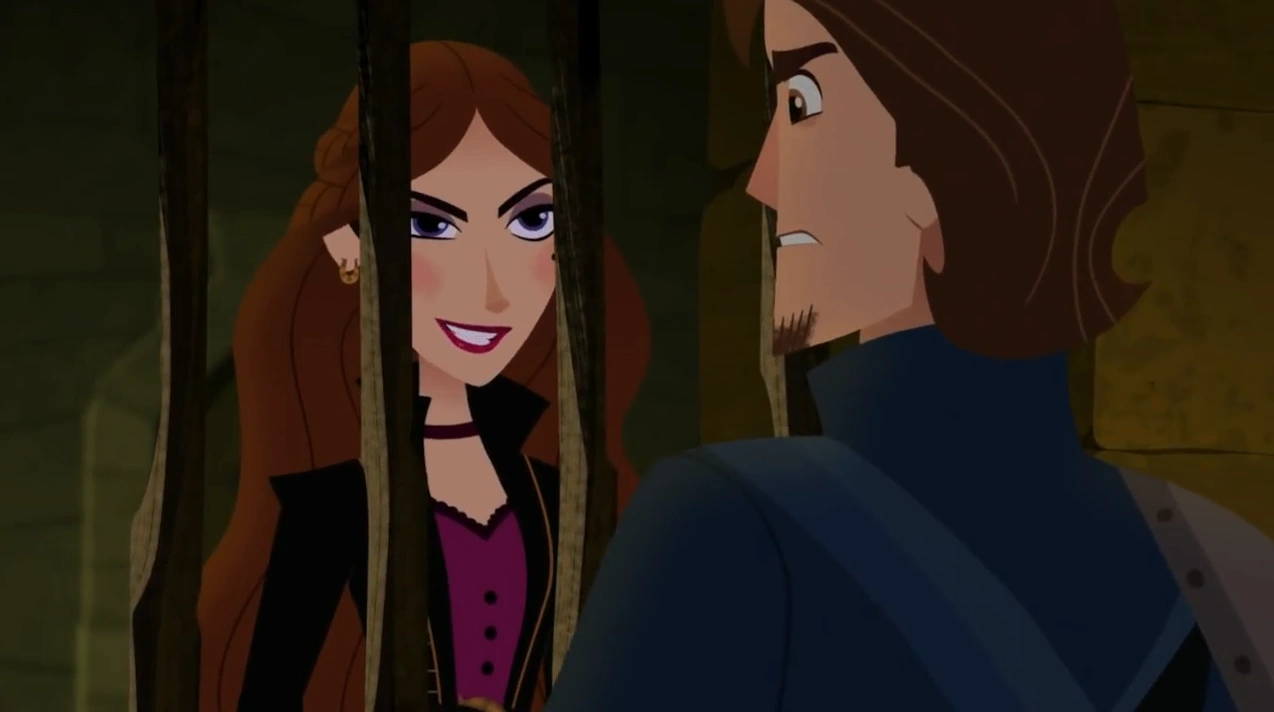
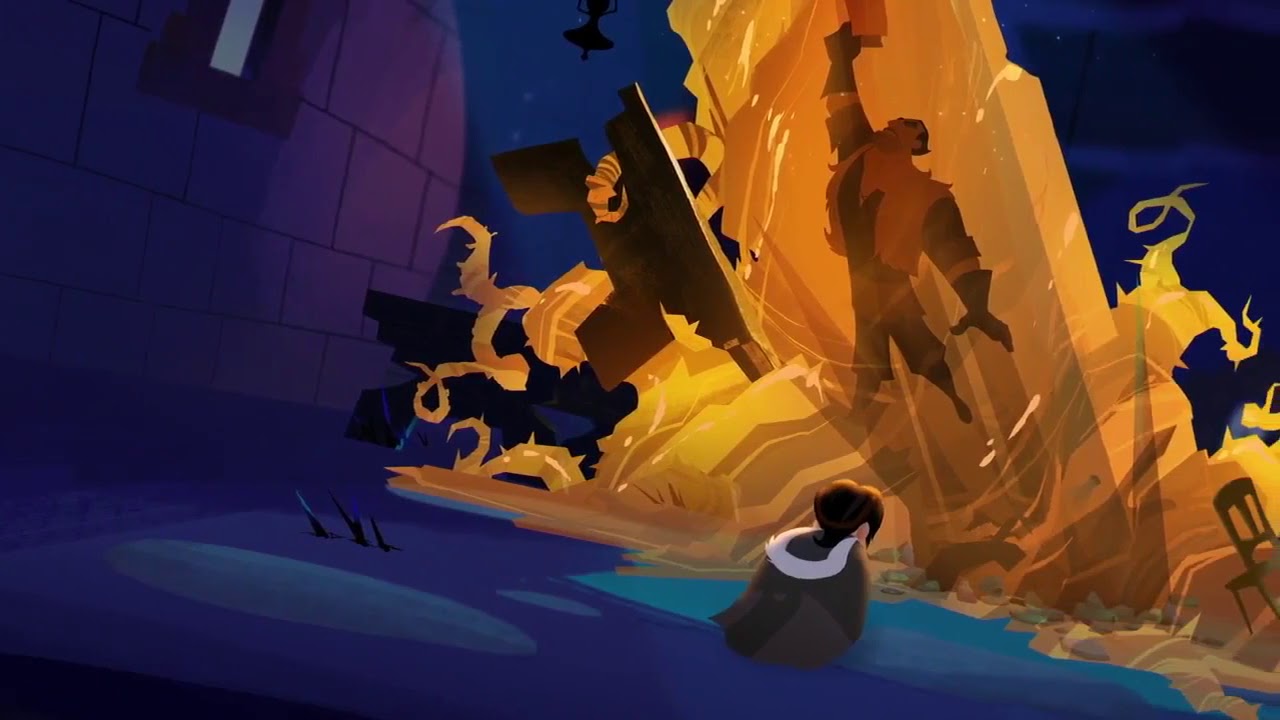
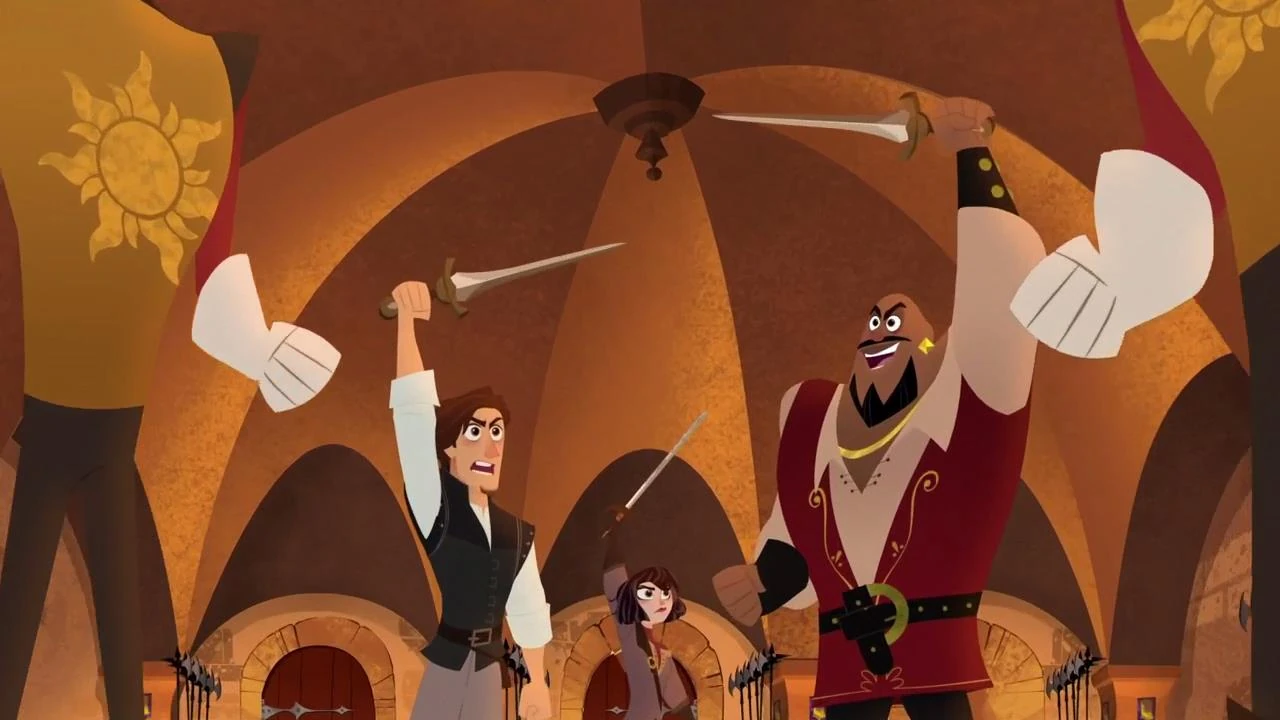
Since it premiered in March 2017, Rapunzels Tangled Adventure (Formerly known as Tangled: The Series) - the followup to Disney's 2010 smash Tangled - has established itself as one of the most interesting TV spinoffs of a Disney film. The show has expanded the world of Rapunzel and Flynn Rider Eugene Fitzherbert, giving them several new friends and enemies and a variety of exciting and unusual adventures. Though its additions to the Tangled universe have sometimes been hit and miss, Rapunzels Tangled Adventure has generally been a real treat for Tangled fans. The animation is brilliant, there are plenty of interesting and mature themes, and Alan Menken and Glenn Slater's songs are often superior to the ones featured in the original film. Despite gaining substantial online popularity, Rapunzels Tangled Adventure has often been treated terribly by the Disney Channel, who needlesssly changed the name of the show, put it on long hiatuses several times, and made various schedule changes which often left it stuck in inhospitable time slots.  Rapunzels Tangled Adventure is now nearing the end of its three-season run, with Rapunzel investigating the mysterious black rocks and trying to stop her former friend Cassandra from using the power of the moonstone to devastate the kingdom of Corona. The last set of episodes begin airing in January, resolving the grand arc whilst providing plenty of comedic adventures to lighten the tone. The show will conclude on March 1st with a three-part episode called "Plus Est En Vous" (French for "There's More In You", - a phrase featured in Rapunzel's diaries) and it will hopefully allow Rapunzels Tangled Adventure to gain the incredible finish it deserves.

Onward (Released March 6th) 


A major reason for Pixar’s rise to fame in the late 1990s was their decision to create a unique formula entirely separate from the Disney musicals of the era and their many imitators. Even with the lines between the two studios blurring later on in the Lasseter era, this distinction has generally been maintained, but Pixar dipped their toes into Disney-style classic fantasy with their 2012 film Brave, and Onward represents a far different take on the same subgenre. It is set in an alternate universe where mythical creatures live a mundane suburban life like our own, with unicorns prowling through gardens like foxes, and centaurs and fauns working in the police force. A pair of teenage elf brothers (voiced by the ever-popular Chris Pratt and Tom Holland) are given a magical staff which belonged to their father and contains some of the last magic in the world. They attempt to bring their deceased father back for one last day, but are only able to resurrect his bottom half, and have to go on a quest to find a way of restoring their father for real. The trailers have promised a wacky and comedic tone, but also given hinted that the film will do justice to the poignancy inherent in the premise. The first of two original Pixar films coming out in 2020, Onward promises to cement Pixar’s new direction under Pete Docter, maintaining the humour, heart and creativity of classic Pixar films whilst ensuring that there are enough changes to keep the studio feeling fresh and exciting.

Mulan (Released March 27th) 


Last year, Disney's live-action division broke records as their focus on remaking classic Disney animations resulted in billion-dollar grosses for their takes on Aladdin and The Lion King. However, the excessively faithful approach of these films annoyed many fans and critics, so Disney’s remake of their 1998 animated hit Mulan will represent a change in approach. Director Nikki Caro and screenwriters Rick Jaffa and Amanda Silver are creating a remake which will adopt a new tone and style whilst sticking to the same basic outline. Liu Yifei will play the titular heroine, who disguises herself as a man in order to fight in the Chinese army. The new version of Mulan is primarily targeted at Chinese audiences, so is making a variety of alterations which will make it closer to Chinese Martial Arts epics than traditional Disney musicals. Wisecracking sidekick Mushu has been replaced by a mute Phoenix, the villain will be working with a sinister shapeshifting witch (played by the prolific Gong Li) and there will be a lot less singing. A group of hardcore fans have been dismayed by these changes, and Caro will need to find ways of satisfying them without compromising her vision. There have also been concerns about how the project legitimises the authoritarian Chinese government (Not helped by Yifei's support of the Chinese-backed authorities in the Hong Kong riots). However, the trailers have generally been very well-received, and Mulan’s new approach could allow it to dodge comparisons with the original film. With many of Disney’s biggest hits already adapted by the live-action division, they will need to adopt a new and more innovative approach, and Mulan could lead the way in this regard.

Frozen arrives in the West End (Performances begin October 2020)


With Frozen 2 emulating the success of the first film and generally reviving interest in Anna and Elsa's world, it's a pretty good time to bring the 2018 Broadway adaptation of the original Frozen to the West End. Princess Anna's epic journey to find her older sister Elsa has been expanded into a 2 hour-plus spectacular for the stage, and this production will be reopening London’s massive Theatre Royal Drury Lane after 18 months of renovations. The inescapable songs from the original (including "Let It Go" and "Do You Want to Build A Snowman?") are joined by several new numbers including "Monster" and "What Do You Know About Love?". However, despite the popularity of the Frozen franchaise, this production still has a lot to prove. Whilst it has earned more than enough money to justify its international rollout, it hasn't emulated the success of The Lion King and did badly at the Tony Awards, only receiving three nominations in a very weak year. The new touring version of Frozen premiered in LA last month and made improvements (including brighter lighting and more colourful set designs) which will hopefully be incorporated into the West End version. Director Michael Grandage has promised that the Brits will get their own “bespoke” version, and has acquired an impressively big name to play Elsa, with Les Miserables fan favourite Samantha Barks headlining the cast as the powerful but vulnerable Ice Queen (We will find out who will play Anna in a few weeks, with the rest of the actors being announced later in the year). Grandage has been a West End icon since the late 1990s, so he will hopefully be putting extra effort into giving his home territory a truly special production of Frozen.

Raya and the Last Dragon (Released November 25th)


After two messy but enjoyable sequels in the form of Ralph Breaks the Internet and Frozen 2, Raya and the Last Dragon will be Disney Animation's first original animated movie in four years. Anticipation has been high since it was formally unveiled at the D23 Expo 2019, as it will pay tribute to the culture of East Asian nations such as Vietnam and the Philippines. The film has been written by Crazy Rich Asians screenwriter Adele Lim, who is working with a team of Disney veterans, including storyboard artist and animator Paul Briggs (making his directorial debut) and Moana producer Osnat Shurer. The film is set in a fantasy realm called Kumandra, and centres on a girl searching for a mysterious dragon who has taken on human form, The titular heroine Raya is voiced by half-Filipino, half-Canadian actress Cassie Steele, whilst Crazy Rich Asians breakout star Awkwafina will be voicing Sisu the dragon, who may be able to protect Raya and her kingdom from a mysterious dark force. Raya and the Last Dragon seems like it will be providing an East Asian spin on the formula established by Moana and Frozen 2, but with enough changes to provide it with its own identity. There seem to be no songs, and the tone seems to be inspired by Asian fantasy epics as much as fairy tale classics. If Raya and The Last Dragon sticks to its vision, it could allow Disney Animation’s recent revival to continue into the new decade.


Non-Disney films and TV

Gretel and Hansel (Released 31st January) 


Oz Perkins - The son of horror icon Anthony Perkins (famed for his role in the Hitchcock horror classic Psycho) - has made his name by writing and directing eerie gothic horrors such as The Blackcoats Daughter and I Am The Pretty Thing That Lives In the House, and this take on the age-old story of Hansel and Gretel is his biggest project yet. Whilst other adult-orientated variations on the Brothers Grimm classic have often been lurid and trashy (such as 2013's Hansel and Gretel: Witch Hunters), Gretel and Hansel promises a more restrained approach, whilst remaining scary and sinister. The creepiness implicit in the Brothers Grimm source material is brought to the forefront, with sinister houses, trees covered with children’s shoes, and a gross moment where the Witch pulls a long thread of hair out of her mouth. As the switching of names in the title implies, Gretel’s status as a strong and fearless female lead will also be emphasised, as she is now a teenager looking after her much younger brother – IT star Sophia Lillis will play Gretel, and her performance could mark her out as an actress to watch in the future. January releases are generally not known for their high quality, but Oz Perkins’ distinctive vision could make Gretel and Hansel into a pleasingly creepy standout.

Come Away and Wendy (Screening at the Sundance Film Festival 24th January-2nd Febuary)


The Sundance Film Festival is one of the first major events of the cinematic year, as a variety of independent films make their big screen debuts. This year, audiences will be treated to two unique takes on Peter Pan. One of the biggest films at the festival this year is Come Away, the live-action debut of animation icon Brenda Chapman, who has worked on films ranging from The Lion King to The Prince of Egypt. Come Away is about two children, Alice and Peter (played by Keira Chansa and Jordan Nash), who end up in a fantasy world as they try to deal with a death in the family and find themselves having to choose whether to stay in the real world or go into their imaginary landscape. A prequel to both Alice in Wonderland and Peter Pan, Come Away will explore the classic worlds these two protagonists will go on to inhabit, and the way they impact on their bond. Chapman has gathered a top-notch cast, with Angelina Jolie and David Oyelowo playing the parents, and Michael Caine, Derek Jacobi and Clarke Peters also featuring prominently. Chapman’s first film after being controversially fired from Pixar’s Brave, Come Away could allow Chapman to fully showcase her ability at creating fairytale magic.

In contrast, Wendy is a much smaller production, but one which embodies the Sundance spirit perfectly. It is directed by Benh Zeitlin, whose drama Beasts of the Southern Wild was one of the breakthrough films at the 2012 Sundance Festival. Here, Wendy is a girl from modern America, who lives with her family in a diner. The unusual Peter takes Wendy and her brothers to a Neverland suspended in time by a mysterious pollen, but a series of threats to this world means that Wendy needs to take responsibility and save all the children on the island.  Zetlin announced the project in 2013, just after Beasts of the Southern Wild became an unlikely Oscars contender, but it has taken over six years to bring his idea to life  The winning formula of Beasts of the Southern Wild is being maintained for Wendy, with a cast of newcomers (including Devin France as Wendy and Yashua Mack as Peter) a mysterious and oddly magical tone, and a depiction of a wonderful but endangered natural world. Amusingly, Wendy has been produced by the Disney-owned Fox Searchlight, but it could not be more different from the action-packed approach of Disney blockbusters, making it a great alternative to more mainstream fairytales. Come Away does not have a confirmed release date, but it should come out at some point later in the year. Meanwhile, Wendy will be released in America on 28th Febuary. We can expect both productions to entertain and enchant fairytale fans all over the world during 2020.

The Secret Garden (Released 17th April in UK) 


Since it was first published in 1911, Frances Hodgson Burnett’s novel The Secret Garden has become a staple for many children, Over a century after the first known film adaptation, audiences are getting a new version which will introduce a new generation to this story. The Secret Garden tells the story of Mary, a girl who is sent from India to live in the house where her late aunt lived. Mary initially hates life in Misselthwaite Manor but meeting two other children and discovering an incredible hidden garden allows her to change the lives of the people around her, and become a better person herself. Dixie Egerickx will play Mary, Colin Firth (who had an early role in the 1987 Hallmark version of this tale) plays guardian Archibald Craven, whilst Julie Walters is the authoritarian housekeeper Mrs. Medlock. Screenwriter Jack Thorne was recently behind the TV adaptation of His Dark Materials, so he knows a thing or two about adapting classic children’s stories. This new version has two big changes. Firstly, it will be set in 1947, meaning that the partition of India and the aftermath of World War Two will be major influences on the lives of our characters. Second, it will take advantage of the rise of CGI to bring the titular Garden to life in a new and impressive way. This will not be the only version of The Secret Garden in the UK this Spring. A semi-staged concert version of the 1991 stage musical adaptation will be staged at the London Palladium on April 4th, with Ramin Karmaloo, Lucie Jones and Jac Yarrow amongst the performers. Both the film and the concert will succeed in demonstrating the continued appeal of the timeless source material.

Cursed (released in 2019)


Since Wicked premiered on Broadway, writers have got mileage out of classic fairy tales and legends by shifting their focus to the supporting cast, The Netflix series Cursed promises to refresh the tale of King Arthur by explaining the origins of the mysterious Lady of the Lake. Cursed is based on a recent novel of the same name created by an unlikely writing team: Thomas Wheeler, a screenwriter and producer who has worked on animated films such as Puss in Boots and The Lego Ninjango Movie, and Frank Miller, the legendary illustrator behind violent and gritty graphic novels such as 300, The Dark Knight Returns and Sin City. Both are executive producers on the Netflix adaptation, working with Silenn Thomas and Zetna Fuentes. Cursed tells the story of Nimue, a girl with mysterious powers who ends up in control of a mysterious sword after her family is murdered. She teams up with a mercenary named Arthur to return the sword to Merlin whilst fighting the soldiers responsible for the crime and the tyrannical ruler who enabled them. The cast will be headed by Katherine Longford, who came to prominence in the controversial Netflix series 13 Reasons Why, and she will be joined by rising star Devon Terrell as Arthur. Adaptations of Arthurian legends have flopped in recent years, but Cursed’s more epic approach and contemporary themes (about respecting nature and resisting tyranny) mean it could gain wider appeal. Netflix have recently put a lot of effort into fantasy series in recent years and Cursed could be an interesting companion to the likes of Dark Crystal: Age of Resistance and The Witcher, whilst successfully winning over a different audience.

The Witches (Released October 9th)


Probably the most iconic children's author of the late 20th century, Roald Dahl provided unique stories which drew on classic fairytale tropes and combined the wondrous and the sinister. The influence of Norwegian mythology on his work was most evident in The Witches, one of his scariest stories. This Whitbread prize-winning tale of a boy who tries to stop the titular villains turning children into mice was adapted into a cult favourite film in 1990, but this new version promises to take a different direction. Although it will be closer to the source material than the earlier movie (Dahl famously hated the happier ending) it is relocating the action to 1960s Alabama, which should provide the opportunities to bring the fight for fight for Civil Rights into the story. Newcomer Jahzir Bruno will play the unnamed protagonist, with Octavia Spencer as his supportive, witch-hunting grandma. However, the main draw is Anne Hathaway, playing the monstrous Grand High Witch. The film is being produced by Guilermo Del Toro, king of adult fairy tale films, and Alfonso Cuaron, who came to prominence after successfully adapting A Little Princess and Harry Potter and the Prisoner of Azkaban. Due to their busy schedules, they have given the directorial reins to Robert Zemeckis, (Although Del Toro had a hand in creating the screenplay). Although his status has waned over the last couple of decades, Zemeckis has directed some truly brilliant films in the past (Romancing the Stone, Back to the Future, Who Framed Roger Rabbit, Forrest Gump), and hopefully The Witches will be a deliciously creepy return to form for him.

Part Two is coming soon!

Saturday, 23 June 2018

Tangled the Series – First Season Reviews and Second Season Previews

(Note: This article contains plenty of spoilers for Tangled: The Series)


Last year, Tangled: The Series, a follow-up to Disney’s 2010 animated hit Tangled, premièred on the Disney Channel, allowing Rapunzel, the lost princess of Corona, and former bandit Eugene Fitzherbert (previously known as Flynn Rider) to go on further adventures. The series picks up where the film left off, as Rapunzel and Eugene adjust to life in Corona, and Rapunzel’s new handmaiden Cassandra becomes a feisty new sidekick for the princess. However, things get complicated when Rapunzel comes across magical rocks which cause her long and magical blond hair (cut off at the end of Tangled) to return. The first season ended with the rocks destroying the walls of Corona, and King Frederic allowing Rapunzel and her friends to leave the kingdom in order to find out more about these rocks and their mysterious powers. The second series will continue from here, with Rapunzel getting to explore the world outside of Corona.

The ratings for the first series, whilst not spectacular, remained reasonably consistent in spite of some horrific scheduling. After six episodes, the series went on a three-month hiatus, and then moved to a Sunday prime time slot (putting it in direct competition with the iconic Game of Thrones). For the last few episodes, the show was shifted from Sunday evenings to Saturday mornings, which made it difficult for the shows older fanbase to access it. In spite of this, Tangled: The Series has maintained a loyal and highly enthusiastic audience, gaining three nominations at the Annie Awards and winning a Daytime Emmy. As a result, Tangled: The Series has been renewed for a second season, but it has now been renamed Rapunzel’s Tangled Adventure (more on this later) and will now air on Sunday mornings, starting from this weekend. The series will begin with an hour-long episode called ‘Beyond the Corona Walls’, which will feature brand new songs and start an epic new adventure for Rapunzel.

The New Title


For its second series, the title of Tangled: The Series been changed to Rapunzel's Tangled Adventure. It’s a bit jarring to see the title get changed, but the new name still makes it clear that this show centres on Rapunzel and is part of the Tangled universe. There are both advantages and disadvantages with this new title. It makes it clear that Rapunzel is the main character and her coming-of-age is the central focus of the show. It also implies that the adventure elements of the series (which have always been its strongest aspects) will take centre stage, allowing for a more and consistent tone. However, the new title also seems juvenile and generic, with an uncomfortably close resemblance to the title of the widely criticised Frozen Christmas special Olaf's Frozen Adventure. There is also a risk that an excessive focus on Rapunzel could distract from the other leads. When Tangled gained its title (it had initially been called Rapunzel before being controversially renamed late in production), the filmmakers claimed this was because Eugene was as much of a protagonist as Rapunzel. The idea that the Tangled brand is bigger than a single princess has also informed Tangled: The Series to an extent. During the first season, there were numerous episodes centred on Eugene or Cassandra, with Rapunzel playing a secondary role (there were even episodes where animal sidekicks Pascal and Maximus were the leads). Rapunzel is an interesting character, but so are her friends, so putting them in the background might be a problem. Nonetheless, the new title will not be too much of a hindrance if the stories remain interesting and the characters remain likeable and engaging. Regardless of the title, a series centred on Rapunzel and Eugene will hopefully remain an entertaining show.

A Quick Review


Tangled: The Series is generally great entertainment for fans of the original movie, and even those with little interest in that film will find plenty of merit in it. Disney series are aimed at a younger and narrower audience than Disney films, so they tend to be lighter, softer and less sophisticated than the original movie. However, the first season of Tangled: The Series has plenty of darker and more mature moments, which elevate it above conventional Disney Channel fare. Rapunzel’s experiences being imprisoned in a tower for 18 years have clearly had a significant effect on her psychology, and her two signature traits – her obsession with exploring and need to be liked – can be closely linked to her awful childhood. In two episodes, Rapunzel has to revisit the tower, and it is clear that this is quite traumatic for her. This dark undercurrent does not overshadow the character’s upbeat and fun personality, but it adds an unsettling layer which is more likely to be understood by adults. In addition, there is some welcome emphasis on the pressures and responsibilities Rapunzel faces as a royal, ensuring that the show has more depth than the traditional princess wish-fulfilment fantasy.


As well as having appealing characters and interesting storylines, Tangled: The Series also contains plenty of genuinely impressive animation. The 2D storybook-inspired style may seem fairly primitive compared to the detailed CGI animation of the original film, but the characters remain as expressive as ever, and the bright colours make the series feel like a recognisable part of the Tangled universe. The action sequences are fluid and often impressive, although there are some distracting uses of blocky CGI more suited to an animated series from 1997 than one from 2017. In addition to the lively animated style, there have been some more unusual touches with have enhanced the fairy tale identity of the show. One episode featured a story being told with illustrations from a pop-up book, (which were filmed in stop-motion), and concluded with a scene where the shadows of Cassandra and the villain-of-the-week were projected on the sides of a hot-air balloon as they duelled inside. Meanwhile, the final episode featured a flashback sequence told through mosaics. The interesting storylines, themes and visuals confirm that Tangled: The Series is willing to be creative and take risks, and this ensures that older audiences can enjoy it as much as the children.

However, Tangled: The Series has plenty of flaws, many of which stem from the fact that it tends to alternate between adventure and comedy without combining the two as well as the original film. The central plot arc, involving the growth of the mysterious black rocks, was neglected for long stretches in favour of sitcom antics. Furthermore, the portrayal of the lead characters could be somewhat erratic, with comedic episodes often exaggerating the worst aspects of Rapunzel, Eugene and Cassandra in order to gain cheap laughs. However, it is worth enduring the filler to get to the interesting material. Overall, Tangled: The Series is a pretty solid continuation of the Tangled franchise, and it seems like it will still be worth watching when it becomes Rapunzel's Tangled Adventure.

The Cast


It goes without saying that Rapunzel and Eugene will return, with Mandy Moore and Zachary Levi continuing to bring Tangled’s core duo to life. They are a lively and likeable pair of protagonists and it is fun to see their journey towards the inevitable wedding. The pub thugs at the Snuggly Duckling will accompany them on their adventures, literally putting their tavern on wheels and taking it on their adventures with them. Cute animal sidekicks Pascal and Maximus are also there to provide Rapunzel and Eugene with extra support. The fact that are protagonists are moving away from Corona means that the supporting characters from the first season will mostly be absent from this one. It is doubtful that the quirky denizens of Corona will return in any major capacity, as the mysterious blacksmith Xavier (voiced by Adewale Akinnuoye-Agbaje) is the only one with a real role in the larger storylines. Rapunzel’s parents will also have a significantly reduced role, but Rapunzel’s growing maturity could lead to interesting changes in her relationship with them. Last season, King Fredric (voiced by Clancy Brown) was generally defined by the tiresome ‘overprotective father’ tropes, and his stifling attempts at keeping Rapunzel safe could get pretty annoying. Hopefully, he will be allowed to become a more unique and likeable character, and it would also be great if the underused Queen Ariana (Voiced by Julie Bowen) gained more opportunities to come into her own.

However, for all of the characters who may be absent, the three strongest additions to the Tangled cast will definitely be back for more adventures. Cassandra (Voiced by Eden Espinosa) is going to get more opportunities to fight for Rapunzel and friends after leading Corona into battle at the end of the last season. Eugene’s childhood friend Lance Strongbow (Voiced by James Monroe Iglehart) has joined the pub thugs, which will probably allow him a larger role in the series. Finally, fan-favourite villain Varian (Voiced by Jeremy Jordan) will be back, still looking for revenge on Rapunzel and a means to free his father Quirin from the crystal prison created by the black magic of the rocks. It will be fun to see how these three characters evolve in this season.


A variety of new characters will be added in this series, with many of them being female. Two of the most interesting are Madam Carnadist, a mysterious figure seen in a teaser at the end of last season, and Stalyan, Eugene’s ex-fiancée. Carnadist is voiced by stage and screen veteran Carol Kane, whilst Stalyan is voiced by Yvonne Strahovski. Strahowski’s role is especially significant for fans of the action comedy series Chuck, as she starred opposite Zachary Levi as the female lead. Both characters seem like they will cause significant trouble for Rapunzel and friends, but they will hopefully be given the depth and nuance needed to make them appealing and memorable.

The up and coming Lil Rel Howery will star as a character called Goodberry, and Britt Robertson is voicing a new teenage character called Vex. B-Movie icon Bruce Campbell has been cast as the ‘bizarrely charming’ King Edmund, whilst former James Bond Timothy Dalton (another actor who had a central role in Chuck) will voice an adventurer and inventor called Demanitus. Both have worked with Pixar in the past, but it’s pretty surprising to see them appear in a Disney channel series, and their presence will certainly entertain any fathers who happen to be watching. Meanwhile, Kathy Mixon has been cast as an alluring character called Seraphina and Kathy Namijy will voice an eccentric forest dweller. The most recent actor confirmed to be joining the cast is Lance Henriksen, who will apparently be voicing the Baron, a hitherto unseen crime boss whose minions have created trouble for Eugene and Lance in previous episodes. It is likely that all these characters are going to be recurring presences, and we could see further celebrities make one-off appearances throughout the season. The first season featured one-episode guest appearances from the likes of Danny Trejo, Bradley Whitford, Jane Krakowski and Ellen Greene, and more notable actors and actresses could follow in their footsteps.

Tangled: The Series Soundtrack – A Review

Tangled: The Series is not a full-on musical series in the vein of something like Glee or Crazy Ex-Girlfriend, but it often makes use of music, with each of the three ‘tentpole’ episodes containing two or three songs. Past animated series based on Disney films, such as The Little Mermaid and Hercules, also had semi-musical formats (although they featured more songs than Tangled: The Series), but Tangled: The Series stands out because it is the first Disney Channel series to feature new songs from Alan Menken, who composed the music for Disney classics like Beauty and the Beast and Aladdin. Menken wrote the songs for Tangled with Glenn Slater, and the duo returned to create ten new songs (two of which are reprises). The three ‘tentpole episodes’ of Tangled: The Series are pilot episode Tangled: Before Ever After, winter special Queen for a Day and season finale Secret of the Sundrop. All three feature songs which range from enjoyable diversions to genuinely interesting anthems worthy of comparison to the music from the original film – a pretty impressive feat given the reduced standards of a Disney Channel series.

The songs mostly fit an upbeat guitar-pop style reminiscent of ‘When Will My Life Begin’ from the original Tangled. Although this relative sameness narrows the audience (if you dislike acts such as Colbie Caillat, or hate the early songs of Taylor Swift, this soundtrack is not for you), it generally suits the sunny fairy tale approach of Tangled: The Series, even if the use of electric guitars in ‘Life After Happily Ever After’ and ‘I’ve Got This’ feels a bit jarring. However, it’s no coincidence that the best songs in the soundtrack are the ones which do something a little different. The translation of the songs from screen to album is somewhat inconsistent, as some songs keep the dialogue surrounding them (‘I’ve Got This’ and ‘Listen Up’) but in for other numbers (‘Wind in My Hair (reprise)’ and ‘Ready as I’ll Ever Be) all the extra dialogue gets cut. It’s no surprise to learn that former popstar Mandy Moore, and Broadway regulars Zachary Levi, Eden Espinosa and Jeremy Jordan, all give excellent performances, as they really do a great job bringing their characters to life. Clancy Brown does not have their technical ability, but his smooth and deep voice is always a pleasure to listen to.


The overriding theme of Tangled: The Series is Rapunzels’ struggle to balance the pressures and responsibilities of royal life with her own desire to see the world and go on adventures, and the songs in Tangled: Before Ever After, set this conflict up pretty strongly. The opening song, ‘Life After Happily Ever After’ does a solid job establishing what life is like in Corona’s royal palace for Rapunzel, Eugene and King Frederic. It also introduces the reliably compelling ‘after ever after’ theme of the series, as Rapunzel realises that struggles to cope with the pressures and responsibilities of life as a princess. The song conveys the rush of Rapunzel’s royal life very well, and the downbeat ending does a good job of highlighting Rapunzel’s anxieties. ‘Wind in My Hair’ is the second song from Tangled: Before Ever After, but it appears first on the album, most likely because it functions as the theme song for the entire Tangled series. As a lively pop anthem, it works excellently in this context, as it highlights Rapunzel’s enthusiasm and her desire to go on adventures, which is the overriding theme of the series. The song also gets a short reprise at the end of the episode, further cementing its status as the signature tune of the series.


Queen For A Day shows Rapunzel being put in temporary charge of the kingdom while her parents are away. Whilst managing life in Corona, she sings ‘I've Got This’, which adds old-fashioned folkier elements to the Tangled sound. It’s another energetic tune, but it features Rapunzel realising she is out of her depth as ruler of Corona, as every decision she makes leads to further problems. It is followed by ‘Let Me Make You Proud’, the signature song for new character Varian. This troubled young alchemist seeks to make his father Qurin proud at all costs, and his single-mindedness begins to turn into fanaticism throughout the episode. As Varian heads to Corona in a doomed attempt to seek help for Qurin, he sings this soaring power ballad, which is full of energy and passion, and easily the best song on this soundtrack. The short, downbeat reprise at the end of the episode sets up Varian’s descent into villainy in powerful fashion, as his pain and dismay at losing Quirin turns to anger. The closing lines are delivered in an aggressive fury which is genuinely quite menacing. Overall, Varian is probably the best Disney villain since Mother Gothel from the original Tangled, and the two versions of ‘Let Me Make You Proud’ demonstrate why he is such an effective character.

Although the vast majority of music in Tangled: The Series is confined to the tentpole specials, two songs came from other episodes. Pascals Story features a catchy new song called ‘Friendship Song’, sung by 15 year-old The Voice semi-finalist Brennley Brown. This tune was only heard for about 30 seconds in that episode, and is probably better in that smaller dose, as Brown’s energetic but immature voice and the relentlessly upbeat arrangement make the song feel rather cloying when extended to four times that length. Meanwhile, ‘Listen Up’ comes from Halloween special The Wrath of Ruthless Ruth. The song is performed by the titular ghost, who haunts the Snuggly Duckling tavern until she gets to fulfil her dream of singing in public. It represents a bit of a departure from the Tangled: The Series style, with a ‘haunted house’ atmosphere which is pleasingly spooky but never remotely scary – essentially, it’s what you would expect from a Halloween special for a Disney Channel series, but it’s still fun to listen to.


The two songs from season finale Secret of the Sundrop come late in the album, as they effectively feel like eleven o'clock songs for the first season as a whole. ‘Set Yourself Free’ is one of the weaker numbers on the album, as it sounds a little too much like a slightly more sombre version of ‘Wind in My Hair’. However, Mandy Moore does a good job of conveying Rapunzel’s need to keep her spirits up and her desire to escape the confines of her castle. The second song in the special, ‘Ready as I’ll Ever Be’ is far better. As Varian, Cassandra and Rapunzel prepare for the final battle, this song provides a warlike, invigorating prelude to the climax, demonstrating how strong the series can be when dealing with big themes and providing epic adventures.

The album concludes with ‘More of Me’, an end credits song performed by Natasha Bedingfield, who had big hits in the mid 2000’s with songs like ‘These Words’, ‘Pocketful of Sunshine’ and ‘Unwritten’. Her generally sunny and optimistic style is an excellent fit for the Tangled universe, but ‘More of Me’ also has a more modern feel which separates it from the rest of the songs on this soundtrack. It probably would have been a decent hit if Natasha had released it as a single at the peak of her career.

Overall, the Tangled: The Series soundtrack is a decent little album for fans of Tangled: The Series. When all the songs are put together, it becomes clear that their lively guitar-based approach can get a little annoying when overused. However, like the larger series, this soundtrack is colourful and entertaining, and there are enough genuinely interesting songs and moments to give it a much-needed edge.

Friday, 7 July 2017

D23 Expo 2017 - A Preview


If you’re a Disney fan, the D23 Expo is one of the most important events of 2017. Held by the official Disney fan club D23 (which gets its name from the year in which the Walt Disney Studios were founded), the D23 Expo takes place every two years in the Anaheim Convention Centre. This year, it will take place between Friday 14th July and Sunday 16th July, with thousands of Disney fans from all over the globe heading to California in order to meet the men and women behind the entertainment which has shaped their lives, and learn major secrets about future Disney projects. In the last D23 Expo in 2015, highlights included exclusive footage from Moana, and major revelations about the live-action remakes of The Jungle Book and Beauty and the Beast. This year, the D23 Expo will be bigger than ever, so there will be even more treats for Disney fans…

Since Walt Disney established his studio in 1923, The Walt Disney Company has become one of the biggest companies in the world, creating the Disney Channel and the Disneyland Theme Parks. They also own the film studios LucasFilm (who make the Star Wars movies) and Marvel Studios (who are behind the Marvel Cinematic Universe), as well as the major American TV channel ABC. All aspects of Disney’s media empire will be represented at the D23 Expo. However, as this blog is aimed at fairy tale fans, it will only discuss events related to Disney’s fairy tale films and TV shows.

Below is a list of events at the D23 Expo which will be of significant interest to Disney enthusiasts and fairy tale fans. These include: costume competitions, panels hosted by Disney historians, interviews with the makers of your favourite Disney films, and special announcements regarding forthcoming projects from the company. If you’re attending the D23 Expo, be sure to check out some of these events…

(Note: For more news on the D23 Expo 2017, be sure to check out the Fairy Tale Fanboy Twitter and Facebook Pages,)

Friday 14th July


Mousequerade (Stage 28, 11AM)

Casual visitors to D23 can expect to see thousands of passionate Disney fans dressed as their favourite Disney characters. In this competition, a number of these cosplayers will show off their best Disney costumes, competing to win trophies in five different categories and a $2,300 cash prize. Jim Babcock, who serves as emcee for a number of Disney events, will host this contest, with actresses Ashley Eckstein and Yvette Nicole Brown and costume designer Kara Saun serving as the judges.

Pixar and Walt Disney Animation Studios: The Upcoming Films (Hall D23, 2:30PM)

Disney are still defined by their animated films, so this event will be the most significant of the weekend. Here, John Lasseter, Disney’s chief creative officer, will promote the latest animated films from Disney and Pixar. If previous D23 Expos are any indication, he will be joined by a few surprise guest stars. The movies which will dominate the event are Pixar’s next film, Coco (which will be released in America this Thanksgiving) and Wreck-it Ralph 2: Ralph Wrecks the Internet. There is also a real possibility that Lasseter will provide exclusive information about Frozen 2 (due in 2019) or Gigantic (due in 2020)…

Ink and Paint: The Women of Walt Disney Animation (Walt Disney Archives Stage, 4:30PM)

Mindy Johnson is a historian who has written books on several Disney-related subjects, including Tinker Bell: An Evolution and Marc Davis: Walt Disney’s Renaissance Man. Her latest book, Ink & Paint: The Women of Walt Disney’s Animation, a detailed, extensively-researched study on the role of female animators within the Walt Disney Studios, will be published in a couple of months. In order to promote it, Johnson will head an event at the D23 Expo where she will interview a panel of female animators who have worked for Disney in order to highlight their contributions to Disney history.

Melodies in Walt’s Time: The Music of Disney’s Live-Action Films (D23 Expo Arena, 6PM)

Although Disney’s live-action films tend to be overshadowed by their animated output, they made a number of live-action musicals in the 1960’s with songs written by The Sherman Brothers. These included Summer Magic, The Happiest Millionaire, and Disney’s greatest live-action movie, Mary Poppins. In this concert, hosted by iconic comedienne Whoopi Goldberg, we will hear classic songs from these movies, such as ‘The Ugly Bug Ball’ and ‘Supercalifragilisticexpialidocious’, performed by a number of singers, including some of the stars of these films.

Saturday 15th July


The Walt Disney Studios Live Action Films (Hall 23, 10:30AM)

This event will primarily focus on Marvel films (such as Thor: Ragnarok and Black Panther) and Star Wars films (such as Star Wars Episode VIII: The Last Jedi). However, a significant amount of time will be devoted to previewing Disney’s live-action fairy tale sequels and remakes. The main attraction here will be Mary Poppins Returns, a sequel to the 1964 live-action classic starring Emily Blunt as the legendary nanny. We could also receive information on some of the live-action remakes currently in the pipeline, including Aladdin, Mulan and The Lion King. Fans have a number of major questions about these projects (Who will play the Genie in Aladdin? Who will play Mulan? Will Elton John return to write new songs for The Lion King?) and it’s likely that at least a few of these will be answered during the event.

The Power of the Princesses (Stage 28, 10:30AM)

Disney Princesses are some of Disney’s most popular characters, so it’s no surprise that they will have a significant presence at the D23 Expo. In this event, animators  Amy Smeed and Kira Lehtomaki will introduce audiences to the women who voiced four of Disney’s most notable Princesses: Jodi Benson (who voiced Ariel) , Paige O’Hara (the original Belle)*, Anika Noni-Rose (who voiced Tiana in The Princess and the Frog), and Auli'i Cravalho (who voiced Disney’s latest princess**, Moana). They will reveal how these iconic characters were created, and share stories about how they have inspired fans all over the world.

(* When this event was announced, Ming-Na Wen, who voices Mulan, was announced as a panellist, but she has been replaced by Paige O’Hara for unknown reasons.)

(**technically, Moana is the daughter of a chief, but she sings and has a cute animal sidekick, so she counts as a princess.)

The Hidden Art of Disney: A Behind-the-Scenes look at the They Drew as They Pleased Book Series (Walt Disney Archives Stage 11:30AM)

During the D23 Expo, the Walt Disney Archives Stage will host events which provide fascinating insights into Disney’s history. One of these is The Hidden Art of Disney, hosted by Didier Ghez, the author of They Drew as They Pleased. This collection of books (Ghez has already published two volumes and plans to write six) showcases the work of concept artists who helped create the universes central to each Disney film and the characters who inhabit them. In this event, Ghez will reveal how he researches for each of his books (the majority of illustrations shown in each volume have never been seen by the public before), and provide an exclusive preview of concept art featured in Volume 3 of They Drew as They Pleased, which will be published in autumn.

Olaf’s Frozen Adventure: A Sneak Peek at the New Frozen Short Film (Stage 28, 2:30PM)

In Olaf’s Frozen Adventure, the lovable snowman from Frozen will return for a 21-minute short (which will accompany Coco in cinemas) in which he tries to help Anna and Elsa celebrate the perfect Christmas by finding a best Christmas tradition for them. With Jennifer Lee and the Lopez’s busy working on both the Broadway version of Frozen and the long-awaited Frozen 2, Olaf’s Frozen Adventure is being brought to life by a new creative team, headed by directors Stevie Wermers-Skelton and Kevin Deters, producer Roy Conli and composers Kate Anderson and Elyssa Samsel (who are writing four new songs). In this event, exclusive previews of Olaf’s Frozen Adventure will be shown, and there will also be plenty of behind-the-scenes footage.

Once Upon a Time (D23 Expo Arena 3:15PM)

This autumn, ABC’s popular fairy tale TV series Once Upon a Time is undergoing a “soft reboot” for its seventh season. Henry, the son of original protagonist Emma Swan, is now an adult, who has just been reunited with his daughter Lucy. Some key characters from the previous six seasons (such as Emma Swan and Snow White), will no longer be part of the core cast, and the characters who are returning (such as Regina and Captain Hook) will be joined by new protagonists and antagonists. In this event, co-creators Edward Kitsis and Adam Horowitz will explain the major changes made to the show in more detail, with Colin O’Donoghue, who plays Captain Hook, joining them to promote the new season.

Sunday 16th July


Celebration of an Animated Classic: The Lion King (D23 Expo Arena, 10AM)

23 years after its initial release, The Lion King remains one of Disney’s finest and best-loved animated films. It has spawned a direct-to-video sequel, a direct-to-video midquel, two spin-off TV series, a long-running stage musical and even a live-action remake. Simba’s coming-of-age story remains just as compelling today as it was in 1994, and its legacy will be the subject of this event. Producer Don Hahn, director Rob Minkoff and animators Tony Bancroft and Mark Henn will tell us about how The Lion King was made, and they will be joined by a few special guests as they discuss how it became such a timeless classic.

Tangled: The Series Q&A Panel (Stage 28, 10:30AM)

After going on a three-month hiatus, Tangled: The Series is returning with new episodes on Sunday 23rd July. In order to promote the new adventures of Rapunzel and Co., there will be a Q&A Session headed by Mandy Moore (who voices Rapunzel) and Zachary Levi (who voices her love interest Flynn Rider Eugene Fitzherbert). They will be joined by executive producers Chris Sonnenburg and Ben Balistreri, as well as Eden Espinosa and Jeremy Jordan, who voice the prominent new characters Cassandra and Varian…

Walt Disney Signature Collection Presents: The 75th Anniversary of Bambi (Walt Disney Archives Stage, 11:30AM)

Disney’s Bambi premiered in 1942, introducing children the beauty of wildlife through the story of the titular deer, and featuring (in scene where Bambi’s mother dies) one of the most iconic tearjerker moments in cinema. In order to mark its 75th anniversary, the surviving members of the voice cast will reveal stories about how the film was made, and discuss the distinctive and beautiful animation, which has inspired animators for generations.

Zero to Hero: The Making of Hercules (D23 Expo Arena, 12:30PM)

Hercules, Disney’s comedic take on Greek mythology, celebrated its 20th anniversary last month. Though it proved a relative financial disappointment on its initial release, its catchy gospel-influenced songs, lively comedy and memorable characters have given it a strong fan base. In this event, the directors of Hercules, Ron Clements and John Musker (The duo behind The Little Mermaid and Moana) will share stories about the making of the movie, joined by animators Eric Goldberg and Ken Duncan, and voice actors Tate Donovan and Susan Egan, who voiced the protagonists Hercules and Megara.

A Whole New World of Alan Menken (Hall D23, 1:30PM and 5:30PM)

If there is one man who defined ‘The Disney Renaissance’ during the 1990’s, it is Alan Menken. He wrote the scores for Disney classics The Little Mermaid, Beauty and the Beast and Aladdin, and has also provided music for more modern hits such as Enchanted and Tangled. Menken has always been aided by lyricists such as Howard Ashman, Sir Tim Rice and Glenn Slater, but in this show, he is going solo. He will sing some of his most iconic songs, such as “Under the Sea”, “Beauty and the Beast” and “A Whole New World”, whilst providing stories about his long and eventful career.

Snow White and the Seven Dwarves: 80th Anniversary Screening (D23 Expo Arena, 3:15PM)

Out of all the major anniversaries being marked by Disney this year, the most significant is the 80th anniversary of the release of Snow White and the Seven Dwarves. The first feature-length animated movie ever made by Disney, this adaptation of the classic Brothers Grimm fairy tale retains a lot of its magic today, due to its enchanting visuals and simple yet appealing story. In order to commemorate 80 years since it was first released, the movie will receive a special screening at D23.

Sleeping Beauty Castle Walkthrough: 60 Years of Walt’s Most Charming Tableaux (Walt Disney Archives Stage, 3:30PM)

When Disneyland was being created in 1956, Disney were hard at work creating their animated film Sleeping Beauty, which would be released in 1959. In order to promote the movie, Disney set up a walkthrough attraction in Sleeping Beauty Castle, enlisting key animators to recreate scenes from the movie inside the castle. In this event, Tony Baxter and Christopher Merritt, who work as “Imagineers” and create the attractions seen at Disney theme parks, will discuss the history and development of the Sleeping Beauty Castle Walkthrough, including its debut in 1957 and its reopening in 2008 after being closed for seven years.

Sunday, 2 July 2017

Combining Fairy Tales: Top 10 Universes, Crossovers and Mash-Ups

We are all familiar with a wide range of fairy tales, and their numerous retellings. However, sticking to just one of these stories can be a bit limiting in a world where people are always looking for something new. One quick way of providing the unique product which audiences want is by making a story combining two or more familiar tales in a new way, and many talented authors do this in order to make their contributions to the fairy tale genre stand out. The resulting stories can be referred to as 'combination tales', and there are more than enough examples of 'combination tales' for them to be considered as a full subgenre. There are three ways of combining numerous fairy tales and fairy tale characters into a single story: Universes, Crossovers and Mash-ups.

Universes – The simplest way of combining fairy tales is by placing all the characters we know in a single world. This environment is generally modern in nature, designed to contrast with the rural traditions of fairy tales. The main source of appeal in these universes comes from seeing familiar characters react to the pressures of an unfamiliar world.

Crossovers – Similar to Universes, but with a few differences. These tend to focus on combining a select number of stories instead of depicting an entire world, and they are set in a more conventional fairy tale environment in which woods and witches lurk around every corner.

Mash-Ups - In the world of music, Mash-Ups feature the lyrics of one song being laid over the music of another. The 'combination tales' listed here do something similar, often putting well-known characters from one tale into another story.

There are numerous examples of stories in all three categories. As in any subgenre, 'combination tales' range from brilliant to terrible. However, this article will showcase only the ten best of these. These prove that different fairy tales can be combined into a single story which is unique, creative and fascinating in its own right. This list includes comic books, novels, plays, films, TV series and even a couple of fanfics, but the diverse range of works highlighted represent the very best examples of this subgenre.

Universes


  • ·         Fables
(Plot: Thousands of years ago, characters from our favourite children’s stories were forced to flee their homelands when a creature called The Adversary invaded them. They now live in modern-day New York, forming a community called Fabletown. One of the most important citizens there is Snow White, the assistant of Fabletown’s mayor King Cole. In addition to protecting her fellow “fables” and hiding them from the “mundys” (ordinary humans), she has an eventful personal life, including a romance with Bigby Wolf - a sheriff keeping his lupine and homicidal instincts in check - and a strained relationship with her troublemaking sister Rose Red.)

Vertigo Comics have been behind comic books such as Preacher and The Sandman (the latter created by the legendary Neil Gaiman), and the stylish and edgy approach of these cult favourites is applied to the world of children’s stories in Fables. Created by Bill Willingham with the aid of various illustrators, the first issue of Fables was published in 2002, with new issues being published monthly until the series concluded on issue #150 in 2015. Fables started with a relatively mundane murder mystery story which introduced us to our main characters and their world, then gradually expanded in scope until the final issues, which depict Snow White and Rose Red preparing for the battle which will lead to the destruction of Fabletown. In between, our protagonists face numerous conflicts and adventures, and a wide variety of characters get smaller, self-contained stories.

Like other Vertigo Comics properties, Fables is something of an acquired taste, with plenty of gore, sex and swearing. However, there is enough charm and creativity to prevent things from becoming too unpleasant, and plenty of great characters for us to care about. Snow White is a fascinating protagonist, who is tough and intelligent, but she struggles to deal with the traumatic events which have defined her past, and repair her relationship with Rose Red. Meanwhile, Bigby is a moody antihero whose love for Snow White and desire to protect Fabletown make up for his numerous objectionable traits. Apart from the protagonists, the most memorable supporting characters include a womanising Prince Charming who has slept with every "Fable" princess he has ever met, and the likeable Frog Prince, Flycatcher, AKA Prince Ambrose. Due to its large and memorable cast and distinctive tone, Fables has become one of the most successful series created by Vertigo Comics, spawning numerous spin-off comics, graphic novels and even a video game during its long run.

  • ·       Once Upon A Time
(Plot: On the night of her 28th birthday, cynical bounty hunter/ bail bondswoman Emma Swan is visited by a child called Henry, who reveals that he’s the son she gave up for adoption a decade ago. Emma takes Henry back to his hometown of Storybrooke, but Henry tells her that the inhabitants of Storybrooke are actually fairy tale characters, transported there after the Evil Queen placed a curse upon Snow White. Although Henry and his mysterious adoptive mother Regina are initially the only two people aware of this, the rest of the residents, including mysterious pawnbroker Mr Gold and warm-hearted teacher Mary, soon begin to recall their pasts in the fairy tale world. Across subsequent series, the inhabitants of Storybrooke get involved in various adventures involving new dark forces and several curses and mysteries…)

Given that they have created some of the most iconic fairy tale films of all time, it is no surprise that Disney have been behind several works in which characters from multiple fairy tales interact in a single world. Their TV movie Descendants featured the children of famous Disney heroes and villains attending school together, but their most successful attempt at combining the fairy tale characters we love into a single universe is Once Upon a Time, which has aired for six seasons on the Disney-owned channel ABC, with the first of these airing in 2011. The series was created by Adam Horowitz and Edward Kitsis, who previously helped write the hit TV series Lost. Like Lost, Once Upon A Time features elaborate storylines and character arcs which can be confusing to the uninitiated, but it has developed a large and passionate fanbase who are drawn to the universe it depicts and its messages about the value of love, family and happy endings.

The most notable aspect of Once Upon a Time is the large cast of memorable characters, who often prove far more complex to be than the archetypal fairytale characters they are based on. The most prominent of these are Emma, a tough everywoman whose experiences in Storybrooke inspire her to fight for the inhabitants of the town, and Regina, who starts out as a conventional vampish villain, but soon evolves into a more sympathetic figure. The residents of Storybrooke have also met a wide variety of characters from famous stories ranging from Frozen to Dr. Jekyll and Mr. Hyde. Across its run, Once Upon a Time has been nominated for a total of 91 awards, winning 9 of these, including Best Fantasy/Sci-Fi at the 2016 Teen Choice Awards. A seventh series will start airing in the autumn, but this will be a “soft reboot”, centred on the now grown-up Henry. It will retain some of the core characters, such as Regina and Hook, but others such as Emma and Snow White are no longer part of the main cast.

  • ·       Shrek
(Plot: Shrek is a giant green ogre who prefers to live as far away from others as possible. However, his swamp gets invaded by fairy tale characters (including the fast-talking Donkey) evicted from their kingdom by the tyrannical Lord Farquaad. In a bid to get his swamp back, Shrek makes a deal with Farquaad – he and Donkey will rescue Princess Fiona, a sassy princess imprisoned in a tower due to a mysterious curse, and bring her to Farquaad to be his bride. Shrek manages to complete the first part of his task and free Fiona, but things get complicated when they begin to develop feelings for each other...)

None of the projects on this list has had as much impact as Shrek, which revolutionised the animated genre in 2001. At the time, Disney’s films had become too formulaic and had lost a lot of their signature charm, so when rival animation studio Dreamworks (owned by former Disney head Jeffrey Katzenberg) released Shrek, its irreverent humour meant it represented a breath of fresh air. Shrek was adapted from a 1990 picture book written and illustrated by William Steig, but screenwriters expanded the 32-page story to feature-length by creating a more elaborate plot, with fairy tale characters such as Pinocchio, The Big Bad Wolf, and The Gingerbread Man playing a key role. The inclusion of these familiar figures enhanced the movie’s parody of established fairy tale conventions, and there were numerous jokes at the expense of Disney. However, for all the crude and subversive aspects of Shrek, the CGI animation was incredibly advanced for the time, and the film had an excellent message about the importance of inner beauty.

Due to its ability at combining edgy humour with an appealing, family-friendly story, Shrek proved a major hit, winning the first ever Academy Award for Best Animated Film. In 2004, it was followed by Shrek 2, which added a Zorro-inspired take on Puss in Boots and a villainous Fairy Godmother to the universe, and introduced viewers to Far Far Away Land, a fairytale kingdom with more than a passing resemblance to modern-day Hollywood. It proved to be every bit as popular as the original, making over $919 million worldwide and becoming the highest-grossing animated film to date. The two subsequent sequels (released in 2007 and 2010) failed to match up to the high standard set by these two movies, but Shrek remains popular today, and Dreamworks have been spending the last few years developing a revival of the franchise.

  • ·         The Lunar Chronicles
(Plot: Cinder is a cyborg* in the polluted, plague-ravaged futuristic city of New Beijing. Scarlett is an impulsive teenager from France whose grandmother has just gone missing. Cress is a computer expert who has been imprisoned on a satellite since childhood. Winter is a rebellious princess whose facial scars do not conceal her inner beauty. These heroines will have to team up to take on the tyrannical Queen Levana of the planet Luna, who plans to take over the earth.)

(*for those too addicted to fairy tales to understand technical terminology, this means she’s half-human, half-robot)

Most of the fairy-tale “universe” stories mentioned here feature fairytale characters in the modern world or (in the case of Shrek) a fairy tale world that has more in common with the present than the past. However, The Lunar Chronicles goes even further, setting its retellings of fairy tales such as Cinderella, Little Red Riding Hood and Rapunzel in the far future. The Lunar Chronicles franchise consists of five novels (as well as several shorter stories and a couple of graphic novels) written by Marissa Meyer. The first three novels in The Lunar Chronicles (Cinder, Scarlet and Cress) introduce us to our misfit protagonists, the fourth (Fairest) is told from the perspective of the villainous Queen Levana, and the series climaxes with an epic finale, the 827-page Winter.

A former fanfiction writer, Meyer understands her teenage audience very well. Although The Lunar Chronicles uses the same basic ‘teens vs. tyrants’ storyline of major YA (Young Adult) literary franchises such as The Hunger Games and Divergent, it also has the epic storytelling and memorable characters needed to stand out in a crowded genre. Cinder, Scarlet and Cress are relatable protagonists, with enough quirks and flaws to feel realistic and well-developed. The combination of fairy tale characters and sci-fi tropes is also effective. Whilst the two genres seem totally different, they both rely on building atmosphere and appealing to our fascination with the unknown. This means that, in spite of the frequent use of technical terminology and the complex relationships at the centre of her work, Meyer manages to maintain the of the underlying mystique and charm of the classic stories which inspired her. Overall, The Lunar Chronicles is an entertaining series which highlights the enduring appeal of the fairy tale protagonists who feature in it.


Crossovers


  • ·         A Tale Dark and Grimm
(Plot: Hansel and Gretel are reimagined as the children of a monarch, who cuts off their heads in order to bring his faithful servant back to life. Hansel and Gretel quickly get resurrected, but their experience (understandably) causes them to run away and look for parents who won’t kill them. However, in the world of fairy tales, such perfect parents turn out to be incredibly hard to find, and Hansel and Gretel end up battling witches, dragons, curses and even the devil himself…)

It is difficult to dislike a story which begins with the line “Once upon a time, fairy tales were AWESOME!”, and this novel by Adam Gidwitz succeeds in demonstrating that fairy tales are not as sweet and innocent as many moral guardians want us to believe. A Tale Dark and Grimm has often been compared to Lemony Snicket’s much-loved A Series of Unfortunate Events, as it revels in the notion that it may be too dark and gory for sensitive readers, featuring numerous warnings advising the faint of heart to stop reading. Much is made of the fact that A Tale Dark and Grimm preserves the bloody content of the classic Brothers Grimm stories, but it also maintains the simplistic, earthy and unpretentious tone which makes them so appealing.

A Tale Dark and Grimm weaves together several Brothers Grimm stories in which children are treated in ways which would make modern audiences uncomfortable. Almost everyone knows about Hansel and Gretel, but only fans of the Brothers Grimm are familiar with tales like Faithful Johannes, The Seven Ravens and Brother and Sister. The common theme of “children in peril” which unites these stories allows them to be combined into a single engaging and effective narrative, as our two protagonists end up stuck in a variety of dangerous situations and realise that they have to grow up quickly in order to survive. The darkness of the fairy tales used is balanced out by the comedic narration and a narrative with the excellent message that children are more intelligent and self-sufficient than adults give them credit for. Unsurprisingly, A Tale Dark and Grimm has been a huge hit with older children since it was first published in 2010, and it even managed to appear on the New York Times’ prestigious Bestsellers list. Adam Gidwitz has since written two follow-up stories (In A Glass Grimmly and A Grimm Conclusion) which have stuck with the winning formula, featuring various child protagonists navigating their way through fairytales both familiar and obscure.

  • ·         Into the Woods
(Plot: A baker and his wife learn that their inability to have a child is the result of a curse placed on them by a witch. In order to break this curse, the duo have to bring her a cow as white as milk, a cape as red as blood, hair as yellow as corn, and a slipper as pure as gold. Their quest leads them to Little Red Riding Hood, (who encounters a wolf on her journey to find her grandmother) Jack (who wishes to regain the cow he sold for five magic beans), Rapunzel (seeking to leave her tower and explore the outside world) and Cinderella (who wishes to attend the King's Festival and escape her cruel stepmother and stepsisters). Initially, all these characters are able to obtain the happy endings they seek. However, their impulsive actions eventually lead to disaster, as the Baker’s marriage starts to fall apart, Rapunzel proves unable to cope with the outside world, and a rampaging giant seeks revenge on Jack…)

Stephen Sondheim is one of the most iconic songwriters in the musical theatre genre, renowned for his clever lyrics, intricate melodies, and his ability at creating compelling musicals about dark and unconventional subjects. Sondheim’s talents are in full display in Into the Woods, which premiered on Broadway in 1987. James Lapine, (who previously collaborated with Sondheim on Sunday in the Park With George) wrote the script, but Sondheim is the person most responsible for making Into the Woods such an iconic musical. The 14-minute prologue to Into the Woods, which introduces us to the characters and their wishes and kick-starts the plot, highlights just how talented Sondheim is, as he creates a distinctively mysterious world and memorable characters using complex musical techniques, amusing wordplay and even a bit of rapping. Other notable songs from Into the Woods include “Hello Little Girl” (The Big Bad Wolf’s enjoyably creepy attempt to seduce Little Red Riding Hood), the moving “No-One Is Alone” and the closing number “Children Will Listen”. This impressive music is used to soundtrack a creative and intelligent deconstruction of the fairy tale genre.

The most notable feature of Into the Woods is its inspired use of the Two-Act structure which defines modern theatre. The First Act blends faithful retellings of four classic fairy tales, which preserve their darker and gorier aspects (Cinderella’s story is based on the Brothers Grimm version, rather than the softer and simpler Charles Perrault version which inspires most adaptations), with the adventures of the baker and his wife, two ordinary people who end up having a significant influence on the familiar characters. The First Act ends happily, with the dreams of the protagonists coming true, but in the Second act, these dreams turn into nightmares. Today, in an era when fairy tales are expected to be dark and edgy, many of the twists which shocked those expecting more a conventional fairy tale narrative (protagonists get killed by the giant, Cinderella and Rapunzel’s Prince Charming’s both turn out to be shallow philanderers) no longer feel so subversive. That said, Into the Woods will always remain a great musical, due to the brilliant songs, the fascinating characters and, most importantly of all, the timeless and valuable messages about the impact of fairy tales on our children and the consequences of pursuing your dream without considering the long-term effects this could have. There have been several major productions of Into the Woods over the last 30 years, and in 2014, it was even adapted into a film featuring an all-star cast which included Meryl Streep, James Corden, Johnny Depp and Chris Pine.

  • ·         Kissing the Witch
(Plot: This collection features thirteen stories, which put unique twists on European fairy tales ranging from Cinderella and Donkeyskin to The Snow Queen and The Little Mermaid. These include a story about Cinderella realising that she cares more about her fairy godmother than any prince, and one which explains why the Evil Queen wanted to kill Snow White. However, these tales are connected far more closely than they initially appear to be…)

Emma Donoghue is best known for her 2010 novel Room, which was recently-adapted into an Oscar-winning film, but she has also provided a number of short story collections, of which Kissing the Witch is the most notable. Kissing the Witch sounds like yet another collection of revisionist takes on fairy tales, but whereas most works in this crowded genre consist of an anthology of standalone stories, Donoghue combines her tale into a single chain of interlinked narratives. Each story ends with the protagonist asking a question about another central character, and that character then tells them their own tale. Donoghue described this device as “a simple ploy” to make the stories “more marketable”, but it allows Kissing the Witch to stand out (it also allows the anthology to qualify for this list). This structure also pays tribute to the role of women’s folklore in shaping the fairy tale genre.

Kissing the Witch starts with its unusual spin on Cinderella, with establishes some of the major themes of the collection. In addition to showing Cinderella rejecting her Prince in favour of the beautiful Fairy Godmother, it focuses on her doubts and insecurities, with her earlier servitude forced upon her by negative voices in her head rather than a wicked stepmother. After this, we learn about how the fairy godmother had to deal with her own inner demons, and a sense of inadequacy which made her feel as small as Thumbelina. The chain of fairy tales continues from here, going from Rapunzel to The Snow Queen to Hansel and Gretel, before finishing with an original story about a witch who, in spite of her reputation has no magical powers”. The transitions are usually highly effective, giving increased depth to the characters and the world which they inhabit, and the ease with which a secondary character from one story becomes the protagonist in the next proves that the wide range of women in fairy tales have more in common than most casual readers would think. Kissing the Witch uses its unconventional structure to update fairy tales for more feminist times whilst also highlighting their origins as oral narratives and old-wives tales.


Mash-Ups


  • ·         Dark as Snow
(Combines Frozen and The Bloody Chamber)

(Read Dark as Snow here. It can also be read on ArchiveOfOurOwn and Tumblr)

(Plot: Desperate to escape from her lonely life with her troubled, reclusive sister Elsa, Anna Arendelle gets impulsively married to seemingly perfect widower Hans Westergard. However, life with Hans in his lavish estate isn’t the fairy tale ideal she expected, and Anna soon finds herself becoming increasingly close to his stable hand, Kristoff. But Hans is keeping a dark secret, hidden inside a mysterious locked room, and it could endanger everything Anna holds dear…)

In theory, the idea of combining Frozen, Disney’s most successful movie, with The Bloody Chamber, Angela Carter’s adults-only take on Bluebeard, sounds ludicrous. However, this fanfic, from the author Anysia, blends the two into one atmospheric and enthralling story. Essentially, Dark as Snow is a straightforward retelling of The Bloody Chamber with characters from Frozen in the lead roles. Anna becomes the protagonist, whilst the villainous Hans takes on the role of The Bloody Chamber’s sinister Marquis. Kristoff and Elsa are also central characters, with Anna’s relationship with Kristoff providing some much-needed sweetness to contrast with the dark and grim tone of the rest of the tale. Dark as Snow includes many of the most memorable elements from Carter’s story (the red ruby necklace, the bed surrounded by mirrors, the book full of sexually sadistic pornography), whilst also sneaking in a number of references to Frozen. If you are familiar with The Bloody Chamber, the allusions to that story are a real treat, but even if you aren’t, this is still a great work on its own terms.

The writing is excellent, with vivid and evocative descriptions that really add to the atmosphere and thus increase tension. Anysia is also great at getting inside Anna’s head, and really makes us care about her and hope that she gets a happy ending. Dark as Snow is definitely not suitable for children, and it is often genuinely scary. Hans is upgraded from the scheming nuisance of Frozen into a truly terrifying monster, and this fanfic contains a number of disturbing scenes where he inflicts acts of physical and sexual violence upon Anna. However, adult readers who can endure moments like these should definitely check this story out. With its memorable, well-developed characters, powerful descriptions and an excellent feminist message, Dark as Snow is proof that a fanfic can be every bit as impressive as a more professional work of fiction.

  • ·        The Coachman Rat
(Combines Cinderella and The Pied Piper of Hamelin)

(Read The Coachman Rat here)

(Plot: A rat seeking to explore the human world is accidentally transformed into a human coachman as part of a spell from a fairy godmother which turns scullery maid Amadea into a beautiful princess so that she can attend the Royal Ball. After Amadea’s eventful night at the ball, Robert turns back into a rat, but maintains his ability to speak. However, his gifts soon attract the attention of unscrupulous revolutionary Devlin, who exploits Robert’s power of speech in order to carry out a bloody coup. After Amadea is killed, the fairy turns Robert back into a human, enabling him to plot revenge on Devlin and his supporters.)

Even when competing against stories like Into The Woods and Dark As Snow, The Coachman Rat is the darkest 'combination tale' mentioned in this article by some distance. Written in 1989 by English author David Henry Wilson, it takes one of the most iconic stories of wish-fulfilment in fiction and ruthlessly shatters the upbeat ideals which it represents. The idea of telling the story of Cinderella from the perspective of an animal sidekick seems rather whimsical, but this incarnation of the tale takes place in a world of plague, superstition and witch-burnings. Initially, Robert’s quest to become human permanently has some amusing aspects, but then Amadea and her prince get gruesomely executed. Once Robert is made human again, The Coachman Rat reveals itself as a variation on the Pied Piper of Hamelin, as he gains the ability to summon and control an army of rats using a recorder. Robert uses this power to strike back against the kingdom which wronged him, but soon finds himself alienated from both humankind and his fellow rats.

It goes without saying that Robert is the most important character here, as his initial fascination at the power and influence of humans is replaced by disgust and hatred when he realises what they are truly capable of. Robert’s first-person narration conveys his loss of innocence effectively, as he recalls a variety of awful events with the cold, matter-of-fact detachment of a protagonist whose quest to learn and discover has ended in total tragedy. If you like your fairy tales to be escapist and optimistic, then The Coachman Rat is definitely not for you. However, its bold approach and hard-hitting messages allow it to stand out, providing a harsh reminder that the innocence embodied by fairy tales cannot survive the cruelty and violence of the real world.

  • ·        The Tangled Princess Bride
(Combines Tangled and The Princess Bride)

(Read The Tangled Princess Bride here)

(Plot: With their parents both away on royal business, the task of looking after Zachary and Rose falls to their grandfather, the King of Corona. Deciding to read them a bedtime story, the King chooses a tale called The Princess Bride from an anthology series called the Nineteen 80’s. This story is about the relationship between Rapunzel, a girl with magical hair, and the stable hand Eugene Fitzherbert, who get involved in an incredible adventure involving fencing, revenge, chases, escapes, true love, miracles and all sorts of exciting stuff. Soon, Zachary and Rose begin to notice parallels between the protagonists of The Princess Bride and their parents…)

Based on the novel by screenwriter William Goldman, The Princess Bride is one of the best-loved fairy-tale films of all time, with its wonderfully quotable dialogue (including iconic lines such as “As you wish” and “Inconceivable!”), memorable characters and playful sense of humour. Its blend of comedy, fantasy and adventure has inspired numerous fairy-tale films, such as Disney’s 2010 hit Tangled. This story highlights how much Tangled was influenced by The Princess Bride by inserting Rapunzel, Eugene and all their friends and enemies into Goldman’s story, leading to a gloriously chaotic and enjoyable adventure.

Rapunzel and Eugene fit perfectly into the shoes of Buttercup and Westley, and their eternal love for each other gives the story heart to accompany the comedy. Like the two films which inspired it, The Tangled Princess Bride takes great pleasure in celebrating the familiar fantasy tropes whilst pointing out how ridiculous they can be, leading to plenty of silliness and tonnes of anachronistic humour. Highlights include an unusual wedding ceremony presided over by a highly inebriated priest, a wonderfully over-the-top climactic battle involving dozens of famous Disney characters, and an interlude where the King of Corona gets the wrong page and accidentally reads the children an extract from a story called Tangled Die Hard