Search This Blog

Sunday, 5 August 2018

10 Things Jennifer Lee Needs to do as Disney Animation’s New Chief Creative Officer (Part 2)

(Read Part One of this Article Here)


In June, Frozen director Jennifer Lee took over as Chief Creative Officer at Disney Animation in the aftermath of the sexual harassment scandal which led to the resignation of former Disney and Pixar creative head John Lasseter. Lee is under considerable pressure to maintain Disney Animation’s recent winning streak whilst also providing more positive and diverse environment to allow the studio to move into the #TimesUp era. There are various things she needs to do in order to succeed as Chief Creative Officer, and there is too much advice to fit into a single post. The first part of this article (published last month) focused on the films Lee is going to produce and how she can make them as entertaining and inspirational as possible, so this second part will focus on her need to project a positive image for Disney Animation and deal with the behind the scenes tensions and uncertainties caused by Lasseter’s misdeeds. Being an effective Chief Creative Officer requires both good films and a welcoming, progressive working environment, and Lee will need to provide both to flourish in her important new role.

6. Listen to the Critics


The main problem with Jennifer Lee is the fact that she is relatively inexperienced for a Chief Creative Officer. Whilst Pete Docter (who has taken over as Pixar’s Chief Creative Officer) has been with Pixar for almost three decades, Lee has only been with Disney Animation for seven years. This means that she still has plenty to learn. So far, all of Lee’s major work with the studio has been as part of a team. This is incredibly useful in the medium of animation, as animated films are continuously changed and altered until just a couple of months before release, ensuring that the writers and directors need extra feedback and support. Aside from her writing and directing, Lee has also been an important member of Disney’s “Story Trust” – an organisation established to emulate the success of Pixar’s legendary “Brain Trust”. In this capacity, she has contributed ideas to a variety of Disney Animation hits beyond the three she co-wrote. The collaborative process is very useful for Lee and has allowed her to build a close relationship with other Disney Animation creatives, which is necessary in order to take charge of the studio. However, she needs to assert a degree of dominance without turning to the often-autocratic behaviour which was a significant factor in Lasseter’s downfall.

Lee also needs to listen to professional critics and members of the public who dislike her work. Since it became a billion-dollar phenomenon, Frozen has been subject to plenty of criticism from those who regard it as overrated. Commonly cited problems include massive plot holes, the two-dimensional, superfluous villains, the focus on Anna’s adventure over Elsa’s more interesting arc, and the contrivances which keep the two sisters apart for most of the runtime. These flaws are closely linked to the twists, messages and ideas which make Frozen unique and appealing, so they cannot be fixed without changing the movie substantially. This would alienate most of the Frozen fandom, so adaptations (such as the Broadway version) have stayed close to the template laid out by the source material. As pointed out in the previous post, this is a key reason why they have received underwhelming reviews in comparison. Jennifer Lee’s writing skills recently came under more intense scrutiny as she co-wrote the critically savaged live-action adaptation of A Wrinkle In Time. Jennifer Lee is certainly not the only Disney Animation veteran to face difficulties translating her skills to Disney's live-action division (which has a reputation for being far less reliable than its animation studios) but the criticisms of A Wrinkle in Time have reinforced the argument that she is not able to translate her numerous good ideas into a strong script. Gaining a good reputation is necessary if you are being given a position of tremendous power and influence, and Lee’s failures have ensured that her appointment is being regarded with a considerable degree of scepticism by her detractors. She needs to win these people over if she wants to enjoy a long and successful tenure in her new role.

7. Ignore the Haters


However, whilst films like Frozen have plenty of problems, there is a world of difference between honest, analytical criticism of Disney movies and the vitriol of many unhinged internet commentators. There are many aspects of Disney films which can be discussed, but this should not lead to racist, sexist, homophobic and violent comments. Unfortunately, in today’s polarised climate, it happens all too often. Disney films have focused on promoting tolerance and inclusion, but this provokes hostility from those who regard these progressive values as a threat, and their prejudiced mentality needs to be ignored or challenged. When extremely right-wing pundits like Jordan Peterson and Steve Doocy use Frozen to argue that Hollywood is engaged in a plot to undermine traditional values of masculinity, it merely highlights why movies like that are so valuable. One movie with a primarily negative portrayal of male characters does not pose a threat to the patriarchy, but it can highlight the fact that many of the members of this patriarchy are reactionary fanatics afraid of change and innovation. Similar attacks have accompanied attempts to promote racial and sexual diversity in the Frozen universe. The fact that Jennifer Lee merely expressed interest in giving Elsa a female love interest in Frozen 2 led to extreme and ugly homophobia, and the decision to cast African-American actor Jelani Aladdin as Anna’s love interest Kristoff in the Broadway version of Frozen led to him receiving racist insults from people who cling to the delusion that everyone living in 19th century Europe was white. Progressive casting and characterisation should be done carefully and skilfully, but the idea of humiliating and defeating the ugliest and most obnoxious commentators should give Jennifer Lee extra incentive to continue subverting the traditional stereotypes by showing that you don’t have to be white, straight or male to be a hero.

An example of how unhinged and extreme internet hatred can become is apparent in the struggles facing the Disney-owned Star Wars franchise. Since Disney acquired Lucasfilm in 2012, the once-mighty series has been faltering, with numerous spin offs getting green-lit and cancelled, and behind the scenes turmoil leading to several creative changes. In addition, there have been increasingly harsh attacks on the finished products, (with most the films getting criticised for being too safe on one hand, and too radical in its changes on the other) culminating in the bitter divisions over The Last Jedi and the underwhelming box-office performance of Solo: A Star Wars Story. As a result, Kathleen Kennedy, the producer in charge of the Star Wars franchise, has become the target of fan protests about the new direction of the Star Wars series. The has led to an outpouring of offensive comments, including numerous racist and misogynistic slurs aimed at female and non-white cast members. Regardless of their concerns about the story and characterisation, the fans responsible for this abuse have permanently damaged the reputation of the Star Wars franchise. If Kennedy’s experience producing some of the best-loved blockbusters of all time (including ET and Jurassic Park) could not protect her from extreme hostility when people started to disagree with her handling of the Star Wars series, then Jennifer Lee will have an incredibly hard time dealing with fan protests if things begin to go wrong for Disney Animation. Lee needs time in order to provide her best work (it took eight years for Disney Animation to go from Chicken Little to Frozen), but if she has too many failures, then internet trolls may hound her out of a job before she can truly peak.


8. Keep the Fans Satisfied


Frozen has the largest and most passionate fanbase of any Disney movie by some distance. Over the last five years, millions of fans all over the world have debated aspects of the movie ranging from the important to the trivial.  Fans have spent hours explaining how Frozen is linked to other Disney movies and discussing the sexuality of a flamboyant side character. There have been numerous Frozen parodies, instructional videos and mash-ups on YouTube and social media, enjoyed by viewers of all ages. The Frozen fandom became so obsessive that a couple divorced because one of them hated the film. The popularity of Frozen even inspired one British university to set up a 'Symfrozium' - an academic conference in which scholars discussed the various reactions to the film. Although this conference highlighted the limitations of Frozen, it also demonstrated that the movie had become a legitimate subject for sociological debate. With the possible exception of Snow White - the first major feature-length animated film - few Disney movies have made such a substantial impact amongst the wider public. Lee has been very careful in her handling of the massive Frozen fandom. Though she has answered some relatively trivial questions, she has generally left the fanbase alone. In a 2014 interview, she claimed that Frozen "belongs to the world" and she wanted to "let the fans talk" and interpret the movie for themselves. Generally, this approach has been a wise one. Having a giant obsessive fandom is a major measure of success, and Jennifer Lee’s support of them and her acceptance of their unusual ideas and theories has helped encourage and maintain Frozen’s status as a unique and iconic hit.

However Lee's decision to not interfere with the Frozen fandom can be a real problem when it comes to expanding the franchise. There have been thousands of fanfics based on Frozen (There are over 10,700 Frozen fanfics on Fanfiction.net alone, not counting crossovers), and a large proportion of these are sequels which take the characters on new adventures and develop their relationships further. The amateurs behind these stories are providing Jennifer Lee with quite a bit of competition. If Frozen fans do not like Frozen 2, they can disregard it in favour of their favourite fanfic. Why trek to the cinema to watch a badly-received sequel when you can stay at home and read like an epic, high-quality fanfic like Frozen Wight? Furthermore, the fandoms are pulling Disney’s movies into a dozen different directions. For example, whilst Frozen’s numerous LGBTQ+ fans were ecstatic about the prospect of Elsa having a girlfriend, it probably came as a disappointment to those who want to pair Elsa with a male lead or leave the romantic stories to Princess Anna. Lee does not have the same vision for her characters as many of her fans, and that is not necessarily a bad thing. However, she needs to take their ideas for the franchise into account if she wants to provide a vision which will satisfy those who prefer a different approach.


9. Encourage New Talent


As Chief Creative Officer, Jennifer Lee’s control over Disney Animation’s output will allow her to influence the creatives directly responsible for writing, animating and storyboarding all new movies released by the studio. In order to achieve her vision and continue providing high quality and inspirational movies whilst dealing with the sexist culture at the studio, Lee will have to hire a variety of new talent. It seems like the focus on encouraging more filmmakers to join the studio is going to be a central aim for her. In her first public appearance since she gained the role of Chief Creative Officer, Lee appeared in a video to promote the new #DreamBigPrincess initiative, which will allow female filmmakers to create shorts about a variety of female role models (including Lee). This will give them a high-profile platform which could inspire them to continue working with the studio. Lee has also been a prominent figure in many other initiatives, such as Girls Who Code, which has encouraged young women to learn science and technology. Most of the women involved in these projects will become trailblazers in other fields, but if just one of them goes on to work for Disney Animation on a regular basis, then Lee’s support of these feminist initiatives will have provided more than just good publicity for the studio…

Although most of the key creatives behind the Disney Revival (such as Chris Williams and Byron Howard) will continue providing hits, Jennifer Lee will need to bring in new blood to provide additional projects, and replace departing Disney veterans (such as the recently retired John Musker). Some of these additions to the company can go on to far greater roles. Lee was one of several new screenwriters drafted in to work on Wreck It Ralph in 2011, but her rapid rise to power has confirmed what a valuable addition she was. Whilst some of the new writers and animators have become important part of Disney Animation's inner circle, others are hired to complete a specific film only, but their role should not be downplayed or diminished. Many of the extra screenwriters they have aided Disney in their mission to provide greater diversity - would Moana have been such a lively and engaging portrayal of Polynesian culture without the input from New Zealand's Taika Waititi and the Hawaiian Kandell brothers? Lee will need to hire a wide range of people who can work together and combined their different skills into a single exciting project. Hopefully, the results of this team effort can inspire a new generation of viewers to follow in their footsteps.


10. Make Disney More Diverse


The most important challenge facing Jennifer Lee is to provide increased diversity both on screen and behind the scenes. Many critics of Disney have complained about the fact that the typical Disney protagonist is young (usually under 21), white, unrealistically thin, and from a traditional fairy tale kingdom heavily based on medieval (or pre-industrial) Europe. In recent years, there has been increased demand for older Disney heroines, characters with disabilities and Princesses who do not fit gender conventions. A recent YouGov poll of British Disney fans stated that 60% wanted to see a Princess who was aged 40 or over, 74% wanted a princess from an ethnic minority and 52% wanted a plus-sized princess. Since the 1990s, Disney have been moving away from the Western template, with Middle Eastern Princess (Jasmine), an African-American Princess (Tiana), a Chinese Princess (Mulan), a Native American Princess (Pocahontas) and a Polynesian Princess (Moana) becoming integral to their line-up, but there are still numerous minority groups yet to be depicted in a Disney Animation film. Furthermore, the idea of having one princess represent each part of the world feels rather reductive. If we can have two stories based on German fairy tales, two stories based on Danish fairy tales, and two stories based on French fairy tales, then it is reasonable to argue that representation of China should not end with Mulan, and representation of the Middle East should not end with Aladdin.

However, increased diversity on the screen means nothing if it is not accompanied by greater diversity in the animation studios. As the #MeToo movement transitioned towards #TimesUp, feminist activism went from exposing sexual misconduct to combatting the culture which allowed it to thrive. This change in our understanding of harassment has been apparent in recent discussions over the Lasster scandal and what it means for Disney Animation and Pixar. A recent article from a Pixar employee who quit because of Lasseter’s misconduct (a condensed version of a much longer blog post) confirmed that the sexist culture there went far beyond one excessively powerful man, with female workers encountering frequent sexual harassment, objectification and lewd comments from Lasseter and other prominent men at Pixar. The damning indictment of Pixar's work environment also included accounts of women being excluded from meetings for being too weak or difficult, and a persistent double standard in favour of male creatives. The fallout generated by Lasseter’s downfall has seemingly affected Disney Animation less than Pixar, because Lasseter was there for a far shorter period of time, and Disney have not been as closely associated with the chauvinist "boys club" culture as Pixar. However, the studio still needs to answer numerous questions about institutionalised sexism. Their progress towards having a female director (let alone a female Chief Creative Officer) has been slow and difficult. Female animators at the studio were initially excluded from the animation department for many years, and a woman did not join the story department until 1987, when Brenda Chapman became a storyboard artist on The Little Mermaid. Chapman and the other female creatives who have come to prominence since have played a valuable role in the development of the strong and powerful female leads who have come to define the Disney brand, but they remain a relatively small minority in the Disney Animation team, indicating that the studio has not advanced as far from its initial patriarchal approach as they would like is to believe. 

Unfortunately, sexual harassment and gender inequality are not exclusively Disney’s problem. Many other powerful figures in animation have been exposed as creeps, perverts and predators, and representation and protection for women is still insufficient across the animation industry. In 2016, it was revealed that only 20% of the animation workforce was made up of women (Only 10% were directors and only 17% were writers) and a 2017 open letter denouncing sexual harassment and misogynistic behaviour pointed out that only 23% of members of the Animation Guild were women. As wide-ranging as the problem is, Disney’s status as the oldest and most important power in the animation industry means that they are under considerable pressure to set a moral example for all their rivals and imitators. Disney were rightfully criticised for their slow and indecisive response to the allegations against Lasseter, and hiring Jennifer Lee to replace him could primarily be seen as a means of assuring protesters that Disney Animation will lead the way in providing women with increased power and influence in the industry. Therefore, Jennifer Lee needs to deal decisively with the sort of bullying and predatory behaviour which has been endemic at Disney Animation and other animated studios. Ultimately, this will be her biggest and most important challenge. We will probably spend ages debating the quality of the movies Lee produces and directs as Chief Creative Officer, but if she improves the situation behind the scenes and makes Disney Animation a more welcoming environment for female staff and advances Disney Animation towards gender equality, she will have succeeded in becoming a role model more powerful and significant than any Disney princess. 


Thursday, 19 July 2018

10 Things Jennifer Lee Needs to do as Disney Animation’s New Chief Creative Officer - Part One


After Disney Animation and Pixar’s disgraced chief creative officer John Lasseter announced his resignation last month, Disney were quick to confirm his replacements. Pete Docter, the director of Up and Inside Out, is replacing Lasseter at Pixar, whilst Frozen director Jennifer Lee is taking over as Chief Creative Officer at Disney Animation. Pete Docter is a safe and reliable choice, but Jennifer Lee is a much bigger risk, and her appointment is far more interesting. Coverage of the change in leadership has focused on the extent of Lasseter’s misconduct and the need to clean up the toxic culture at Disney and Pixar. In spite to this, Lee's appointment is a real cause for celebration, as it is incredibly significant to see a woman take charge of one of the oldest and most iconic animation studios in the world.

Although most of us are really pleased to see Lasseter go, (his behaviour has gone against everything Disney is meant to stand for), there is no denying that he did an excellent job as Disney Animation’s Chief Creative Officer. When he arrived in 2006, Disney was trying to recover from the failure of movies like Home on the Range and Chicken Little, but within a decade, they were providing megahits like Wreck-It-Ralph, Frozen, Zootropolis and Moana, reasserting their status as the most successful animation studio in the world. In many ways, Lee simply has to continue the formula which made Lasseter’s movies so successful, minus the bullying and sexual harassment which went on behind the scenes. However, she also has a golden opportunity to create change and make Disney Animation into a more diverse and innovative studio.

This article is so big that it will be separated into two parts. The first part will focus on the films themselves, and the approach Jennifer Lee should take to stories and characterisation as she seeks to maintain the winning blend of old and new which has defined Disney’s recent revival. The second part will focus on dealing with fans and critics, encouraging new talent, and most important of all, ensuring that Disney Animation moves on from the scandals which have undermined the reputation of the company.

(Note: This post contains spoilers for Frozen and Zootropolis...)


10 Things Jennifer Lee Needs to do as Chief Creative Officer - Part One


1. Focus on the Women


Lasseter’s resignation marks the third time Disney animation has lost an all-powerful and consistently successful creative head. When Walt Disney died in 1966 and Jeffrey Katzenberg was fired in 1994, Disney Animation entered major creative slumps which left the studio under threat of becoming irrelevant. Without Disney and Katzenberg, the studio lacked direction, and their attempts to move away from the classic fairy tale formula merely alienated their traditional audience. That said, Jennifer Lee has one key selling point which should ensure she does not repeat that same mistake – most of us expect her to take Disney Animation in a specific direction. It would be unwise (and possibly sexist) to imply that the first female Chief Creative Officer at Disney should focus entirely on female-led projects. However, Jennifer Lee is in a great position to encourage the development of new female characters and the emergence of new female writers and animators. In addition to Lee, women like Pamela Ribbon and Lauren MacMullan have played significant roles in Disney Animation’s recent hits, and it would be great if they were allowed to enjoy their moment in the spotlight. Emphasising female talent should give Disney Animation a clear vision and strategy under Lee, and this will make it easier to provide exciting and appealing movies…

Lee should also build on the iconic status of Disney’s existing library of female characters. Although adventure films with male leads (like Aladdin, The Lion King, Tarzan and Wreck-It Ralph) will always be an integral part of the Disney Animated canon, Disney’s princesses have usually been the most important (and profitable) characters provided by the studio. In fact, advertisements for Ralph Wrecks the Internet (Formerly Wreck It Ralph 2) have extensively promoted a scene where we get to meet all the Disney Princesses from Snow White to Moana. In 2012, the year the first Wreck-it Ralph movie was released, Disney Princess toys had generated $3 billion worldwide. Today, this revenue is probably far greater, and when you consider the sales for Frozen and Moana merchandise (Anna, Elsa and Moana are not officially listed as Disney Princesses, but they are considered part of this line-up by many fans) it becomes clear that Disney’s female leads are a total merchandising goldmine. For the most part, female protagonists are still a relative rarity in animated movies, but the Disney Princesses provide the most notable exception to this, as the most iconic and visible female leads in the genre. However, Disney Animation do not need to rely exclusively on one type of film. In addition to directing Frozen, Jennifer Lee co-wrote the recent Disney smash Zootropolis. This movie traded the historical fantasy of Disney Princess stories for a gritty modern setting, whilst keeping many of the tropes which have defined these movies in the past decade (Strong female lead, buddy adventure dynamic, self-referential humour, surprise villains). The Revival-era approach of alternating between Princess stories and more modern adventures has allowed Disney to provide their signature stories on a regular basis whilst preventing them from getting too tedious. With experience working on both types of tale, Jennifer Lee is well placed to continue balancing fairy tale tradition with stories which take Disney Animation in a variety of new directions, whilst maintaining the emphasis on strong female representation.

2. Start Trends, Don’t Follow Them


The failures of movies like The Black Cauldron and Treasure Planet illustrates the fact that Disney are usually  not very good at following contemporary trends. It takes years to create an animated film, and a style popular and relevant when production starts can become painfully dated by the time it is released. The best way of demonstrating this is by examining the films which Disney Animation were providing at the turn of the millennium. At the time, animation studios were trying to make their movies more ‘adult’ and appeal to the stereotypically masculine audience for action blockbusters. Although movies like Titan AE and The Road to Eldorado underwhelmed at the Box Office, Disney persevered regardless, and this led to the failures of Atlantis and Treasure Planet. It is probably not a coincidence that Disney’s most successful movie of the early 2000’s was Lilo and Stitch, which did not adhere to this overly masculine approach. This movie was boosted by a marketing campaign which inserted the destructive alien Stitch into several recent Disney hits, paying tribute to the iconic nature of movies such as Beauty and the Beast and Aladdin at a time when the studio seemed to be turning its back on these.

Eventually, Disney Animation’s decision to defy conventions and create a new distinctive style would lead to their resurgence. During the 2000’s, the dominance of the Shrek movies led to numerous attempts to copy their irreverent parodies of classic fairy tales. Initially, Disney wanted to emulate them with a film called Rapunzel Unbraided, a modern and silly take on the famous Brothers Grimm story Rapunzel. For this adaptation, a pair of ordinary Americans would be sucked into the fairy tale after a witch turns Rapunzel into a squirrel. However, Disney Animation eventually rejected this in favour of Tangled, a straightforward and reasonably faithful (though still comedic) adaptation of the well-known fairy tale. The success of Tangled proved that it was possible to maintain the classic Disney style in the more cynical modern age, and this inspired Disney Animation to establish the traditional but also subversive new approach which would define the films of their ‘Revival’ period.

Following Disney’s dominance in the During the 1990s, animation studios bent over backwards to copy the successful recipe of the Disney Renaissance films. Films like Ferngully: The Last Rainforest, Thumbelina, Quest for Camelot and Anastasia aimed to emulate the assertive female leads, colourful sidekicks, intimidating villains and catchy songs to varying degrees of success. Though they have acquired large fandoms in recent years (Anastasia has become a popular Broadway Musical, whilst Quest for Camelot gave us the iconic Classical Crossover song ‘The Prayer’) these films were widely criticised for their derivative nature. This contributed to fatigue with the Disney Renaissance formula, which led to their movies falling out of fashion. The films of Pixar and Dreamworks provided a clear alternative, but they soon became overwhelmed by imitators as well. However, there is a greater diversity today, with numerous rival studios having different styles. Some may specialise in specific genres (comedy for Illumination, adventure for Dreamworks) or specific forms of animation (the stop-motion of Laika) but they all ensure that studios have a unique selling point with less need to chase trends.  In this environment, it is necessary for Jennifer Lee to preserve a distinctive approach whilst also updating it enough to remain fresh and appealing.

3. Preserve Links to the Past


Disney have been most successful when drawing on their reputation for providing magical and escapist fairy tales. When he took over at Disney Animation, John Lasseter made no secret of the fact that he wanted to return the studio to its roots. He greenlit The Princess and the Frog, the first hand-drawn Disney film in half a decade and brought back several writers and animators who had left the studio or been forced out during the shift to CGI. In an interview in 2009, he claimed that it was “ridiculous” to dismiss 2D movies as old-fashioned and attributed their demise to “bad storytelling”, also promising that Disney would return to releasing traditionally animated films on a regular basis. Unfortunately, this did not occur and the experiment with traditional animation formally ended in 2013, when numerous animators were laid off and Disney president Bob Iger announced that the studio were no longer creating any new hand-drawn films. However, many of the Disney veterans who returned during this period, including Chris Buck, Ron Clements and John Musker, stayed to work on the CGI films. Collaborating with newer directors and screenwriters like Jennifer Lee, Don Hall and Chris Williams, they lent their experience to the creation of megahits like Frozen and Moana. This encouraged the combination of old storytelling and new ideas which allowed these films to be so popular.

Demands for hand-drawn animation have remained persistent, but this classic form of filmmaking has failed to make much of an impact in an era dominated by technological advances. After The Princess and the Frog struggled in a competitive Winter 2009 season dominated by motion-capture 3D epic Avatar, Disney Animation dropped the traditional 2D animated style (with the exception of 2011’s widely overlooked Winnie the Pooh reboot), with the classic Disney approach being applied to the stories rather than the techniques used to create them. However, traditional animation has not been discarded entirely, as the 2012 short Paperman received acclaim for its use of new technology to place 2D faces and items into a 3D environment, whilst Moana used traditional drawing to depict Maui’s living tattoo Mini Maui. Today, traditional animation is widely seen as being too old fashioned, with only smaller and more independent studios such as Cartoon Saloon and GKIDS continuing to use it. However, the acclaim they have earned has firmly proved that 2D films are now synonymous with high quality and have entirely lost their reputation for mediocrity. If Jennifer Lee wants to take a risk and increase Disney’s artistic credibility, then providing one of two traditional animations to accompany the now-standard CGI movies would be a good idea.

4. Take Risks


The movie which allowed Jennifer Lee to take power at Disney Animation after just seven years with the studio was undoubtedly Frozen, which is still the most successful Disney Animation film of all time. Frozen became such a unique hit because it unafraid to take risks and subvert the traditional template, with the traditional romantic certainties of Disney Princess films being challenged and defied as Anna and Elsa’s relationship takes centre stage. Although some Disney films (such as The Little Mermaid and Enchanted) had pointed out the problems with 'True Loves Kiss' before, Frozen was the first to clearly demonstrate that the bond between sisters is more powerful and important. One of the most controversial twists in Frozen – and one of the twists most central to this message - is the reveal that the seemingly friendly and supportive Prince Hans has actually been a manipulative scheming villain for the whole movie. Regardless of your opinions on the character and the way the twist is handled (It is probably better in concept than in practise), you must admire Jennifer Lee for taking such a provocative approach. ‘Prince Charming’ turning out to be a horrible person or outright villain is hardly new in the fairy tale genre (see Into the Woods and the Shrek sequels), but as those well-known examples are primarily comedic, it is rare to see this trope played for both drama and shock value. Jennifer Lee did not just dismantle the image of a nauseatingly perfect Prince Charming who will solve all your problems, she actively dynamited it, and this is the sort of bold attitude which should be encouraged from a studio which has become synonymous with overly safe and sanitised fairy tales. Frozen’s bold and subversive approach made it an iconic hit, but Jennifer Lee cannot continue recycling its winning formula indefinitely. This is most apparent when you compare the acclaim the film received to the considerably cooler reception given to the new Broadway version, written (but not directed) by Lee. With the exception of some structural and cosmetic changes, the Broadway adaptation of Frozen stays close to the template of the film, but a narrative which was so bold and interesting in 2013 lost a lot of its spontaneity after almost half a decade. We have enjoyed Anna and Elsa’s initial adventures enough times – now Lee needs to venture into unknown territory, whether by giving Anna and Elsa new stories or creating new heroes for audiences of all ages.

5. Provide Original Films


With Ralph Wrecks the Internet and Frozen 2, Disney Animation are trying to turn their recent hits into full franchises. However, focusing too much on a handful of iconic brands would be an unwise approach. Pixar’s decline since 2010 has been heavily tied to their overreliance on sequels. Most of these movies were very good (with the conspicuous exception of Cars 2), but Pixar were previously known for their bold and innovative approach, so films set in a familiar world with familiar characters inevitably seem like a downgrade most of the time. This has also affected Disney Animation as well. Disney Animation fans are anxious about sequels, in no small part due to the widely criticised direct to video sequels to Disney Animation classics created by DisneyToon studios between the mid 1990s to the mid 2000s (This group of movies ranges from Bambi 2 to Brother Bear 2). Disney Animation themselves have not done many sequels, but Ralph Wrecks the Internet and Frozen 2 mark the first time the studio has done two sequels in consecutive years, and here have also been rumours of a sequel to Zootropolis. The occasional sequel is not a problem, but greenlighting several in quick succession whilst delaying and eventually cancelling the original animated project Gigantic has sent the message that Disney Animation are actively prioritising sequels at the expense of new projects. This approach is unnecessary, as Disney franchises can continue outside of film, with Big Hero 6 and Tangled being turned into perfectly serviceable TV series. Therefore, Jennifer Lee should be free to focus on greenlighting new work. In addition, she should consider resurrecting discarded projects – After all, the decision to take long-gestating fairy tale films out of development hell led to Tangled and Frozen…

The pivot towards sequels may have been encouraged by the sense that Disney has already adapted the majority of children’s stories. However, there are numerous fairy tales, myths and legends all over the world which would be ideal for the studio, including several with strong and compelling female leads. The Norwegian fairy tale East of the Sun and West of the Moon gender flips the archetypal fairy tale plot by depicting a girl going on an adventure to rescue a prince from a villainous troll. The Six Swans features a tenacious heroine who overcomes a variety of obstacles to free her brothers from a curse. The Icelandic fairy tale The Horse Gullfaxi and the Sword Gunnfoder subverts one of the most infamous fairy tale tropes by featuring a loving and heroic stepmother as one of the protagonists. These three stories alone could provide Disney Animation with at least 5 further years of success and popularity, and this is before we consider thousands of other fairy tales which have been told for centuries. There is no shortage of material to turn into hit films, and Jennifer Lee needs to be open to greenlighting new films and new ideas to take advantage of this. In the statement she made when her new role was confirmed, Lee stated that “telling original stories” was one of her primary aims. Hopefully, these stories will build on Disney Animation’s past hits, allowing the studio to evolve and provide entertainment which can resonate with today’s audiences whilst also inspiring and enchanting future generations.

(Part Two of this Article Will Follow Soon...)

Saturday, 23 June 2018

Tangled the Series – First Season Reviews and Second Season Previews

(Note: This article contains plenty of spoilers for Tangled: The Series)


Last year, Tangled: The Series, a follow-up to Disney’s 2010 animated hit Tangled, premièred on the Disney Channel, allowing Rapunzel, the lost princess of Corona, and former bandit Eugene Fitzherbert (previously known as Flynn Rider) to go on further adventures. The series picks up where the film left off, as Rapunzel and Eugene adjust to life in Corona, and Rapunzel’s new handmaiden Cassandra becomes a feisty new sidekick for the princess. However, things get complicated when Rapunzel comes across magical rocks which cause her long and magical blond hair (cut off at the end of Tangled) to return. The first season ended with the rocks destroying the walls of Corona, and King Frederic allowing Rapunzel and her friends to leave the kingdom in order to find out more about these rocks and their mysterious powers. The second series will continue from here, with Rapunzel getting to explore the world outside of Corona.

The ratings for the first series, whilst not spectacular, remained reasonably consistent in spite of some horrific scheduling. After six episodes, the series went on a three-month hiatus, and then moved to a Sunday prime time slot (putting it in direct competition with the iconic Game of Thrones). For the last few episodes, the show was shifted from Sunday evenings to Saturday mornings, which made it difficult for the shows older fanbase to access it. In spite of this, Tangled: The Series has maintained a loyal and highly enthusiastic audience, gaining three nominations at the Annie Awards and winning a Daytime Emmy. As a result, Tangled: The Series has been renewed for a second season, but it has now been renamed Rapunzel’s Tangled Adventure (more on this later) and will now air on Sunday mornings, starting from this weekend. The series will begin with an hour-long episode called ‘Beyond the Corona Walls’, which will feature brand new songs and start an epic new adventure for Rapunzel.

The New Title


For its second series, the title of Tangled: The Series been changed to Rapunzel's Tangled Adventure. It’s a bit jarring to see the title get changed, but the new name still makes it clear that this show centres on Rapunzel and is part of the Tangled universe. There are both advantages and disadvantages with this new title. It makes it clear that Rapunzel is the main character and her coming-of-age is the central focus of the show. It also implies that the adventure elements of the series (which have always been its strongest aspects) will take centre stage, allowing for a more and consistent tone. However, the new title also seems juvenile and generic, with an uncomfortably close resemblance to the title of the widely criticised Frozen Christmas special Olaf's Frozen Adventure. There is also a risk that an excessive focus on Rapunzel could distract from the other leads. When Tangled gained its title (it had initially been called Rapunzel before being controversially renamed late in production), the filmmakers claimed this was because Eugene was as much of a protagonist as Rapunzel. The idea that the Tangled brand is bigger than a single princess has also informed Tangled: The Series to an extent. During the first season, there were numerous episodes centred on Eugene or Cassandra, with Rapunzel playing a secondary role (there were even episodes where animal sidekicks Pascal and Maximus were the leads). Rapunzel is an interesting character, but so are her friends, so putting them in the background might be a problem. Nonetheless, the new title will not be too much of a hindrance if the stories remain interesting and the characters remain likeable and engaging. Regardless of the title, a series centred on Rapunzel and Eugene will hopefully remain an entertaining show.

A Quick Review


Tangled: The Series is generally great entertainment for fans of the original movie, and even those with little interest in that film will find plenty of merit in it. Disney series are aimed at a younger and narrower audience than Disney films, so they tend to be lighter, softer and less sophisticated than the original movie. However, the first season of Tangled: The Series has plenty of darker and more mature moments, which elevate it above conventional Disney Channel fare. Rapunzel’s experiences being imprisoned in a tower for 18 years have clearly had a significant effect on her psychology, and her two signature traits – her obsession with exploring and need to be liked – can be closely linked to her awful childhood. In two episodes, Rapunzel has to revisit the tower, and it is clear that this is quite traumatic for her. This dark undercurrent does not overshadow the character’s upbeat and fun personality, but it adds an unsettling layer which is more likely to be understood by adults. In addition, there is some welcome emphasis on the pressures and responsibilities Rapunzel faces as a royal, ensuring that the show has more depth than the traditional princess wish-fulfilment fantasy.


As well as having appealing characters and interesting storylines, Tangled: The Series also contains plenty of genuinely impressive animation. The 2D storybook-inspired style may seem fairly primitive compared to the detailed CGI animation of the original film, but the characters remain as expressive as ever, and the bright colours make the series feel like a recognisable part of the Tangled universe. The action sequences are fluid and often impressive, although there are some distracting uses of blocky CGI more suited to an animated series from 1997 than one from 2017. In addition to the lively animated style, there have been some more unusual touches with have enhanced the fairy tale identity of the show. One episode featured a story being told with illustrations from a pop-up book, (which were filmed in stop-motion), and concluded with a scene where the shadows of Cassandra and the villain-of-the-week were projected on the sides of a hot-air balloon as they duelled inside. Meanwhile, the final episode featured a flashback sequence told through mosaics. The interesting storylines, themes and visuals confirm that Tangled: The Series is willing to be creative and take risks, and this ensures that older audiences can enjoy it as much as the children.

However, Tangled: The Series has plenty of flaws, many of which stem from the fact that it tends to alternate between adventure and comedy without combining the two as well as the original film. The central plot arc, involving the growth of the mysterious black rocks, was neglected for long stretches in favour of sitcom antics. Furthermore, the portrayal of the lead characters could be somewhat erratic, with comedic episodes often exaggerating the worst aspects of Rapunzel, Eugene and Cassandra in order to gain cheap laughs. However, it is worth enduring the filler to get to the interesting material. Overall, Tangled: The Series is a pretty solid continuation of the Tangled franchise, and it seems like it will still be worth watching when it becomes Rapunzel's Tangled Adventure.

The Cast


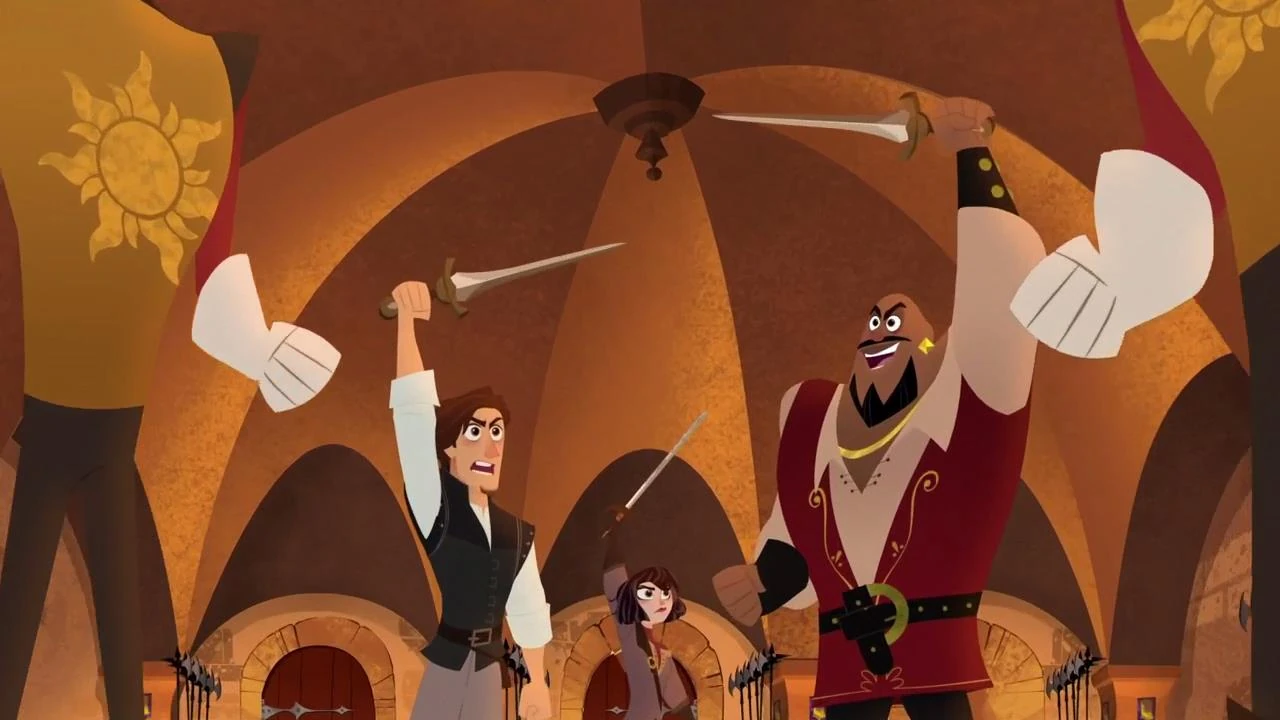
It goes without saying that Rapunzel and Eugene will return, with Mandy Moore and Zachary Levi continuing to bring Tangled’s core duo to life. They are a lively and likeable pair of protagonists and it is fun to see their journey towards the inevitable wedding. The pub thugs at the Snuggly Duckling will accompany them on their adventures, literally putting their tavern on wheels and taking it on their adventures with them. Cute animal sidekicks Pascal and Maximus are also there to provide Rapunzel and Eugene with extra support. The fact that are protagonists are moving away from Corona means that the supporting characters from the first season will mostly be absent from this one. It is doubtful that the quirky denizens of Corona will return in any major capacity, as the mysterious blacksmith Xavier (voiced by Adewale Akinnuoye-Agbaje) is the only one with a real role in the larger storylines. Rapunzel’s parents will also have a significantly reduced role, but Rapunzel’s growing maturity could lead to interesting changes in her relationship with them. Last season, King Fredric (voiced by Clancy Brown) was generally defined by the tiresome ‘overprotective father’ tropes, and his stifling attempts at keeping Rapunzel safe could get pretty annoying. Hopefully, he will be allowed to become a more unique and likeable character, and it would also be great if the underused Queen Ariana (Voiced by Julie Bowen) gained more opportunities to come into her own.

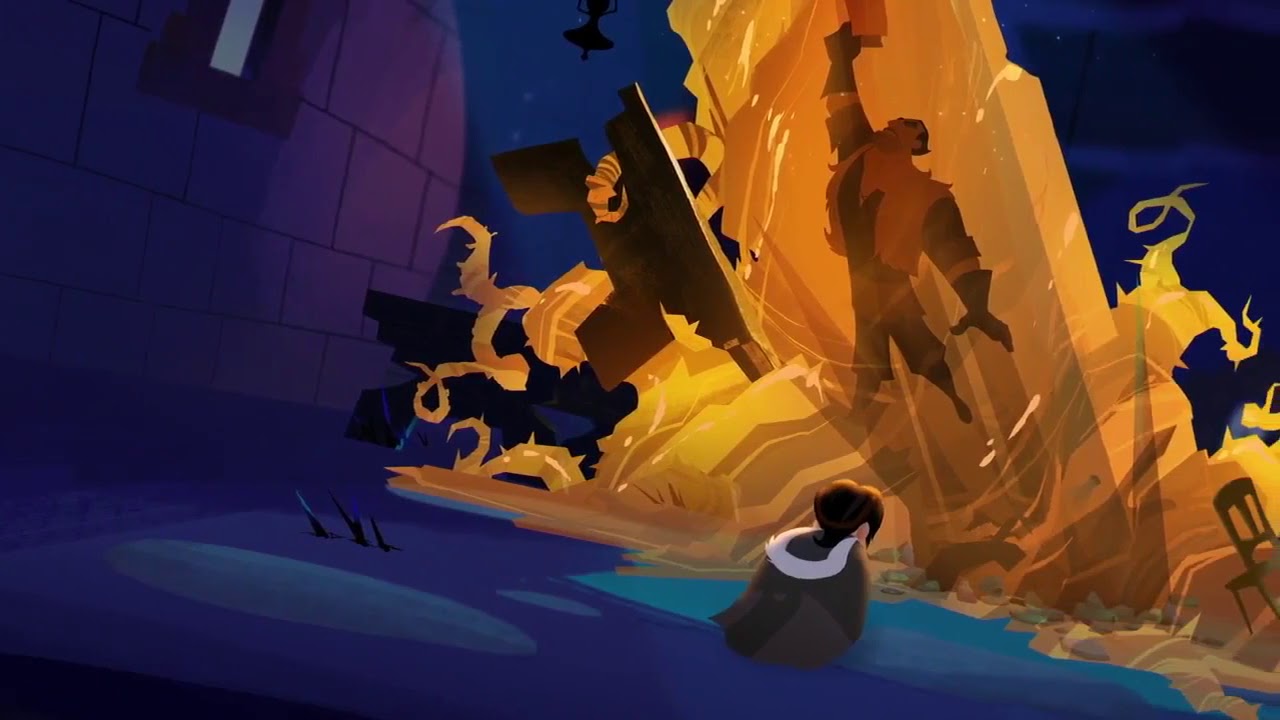
However, for all of the characters who may be absent, the three strongest additions to the Tangled cast will definitely be back for more adventures. Cassandra (Voiced by Eden Espinosa) is going to get more opportunities to fight for Rapunzel and friends after leading Corona into battle at the end of the last season. Eugene’s childhood friend Lance Strongbow (Voiced by James Monroe Iglehart) has joined the pub thugs, which will probably allow him a larger role in the series. Finally, fan-favourite villain Varian (Voiced by Jeremy Jordan) will be back, still looking for revenge on Rapunzel and a means to free his father Quirin from the crystal prison created by the black magic of the rocks. It will be fun to see how these three characters evolve in this season.


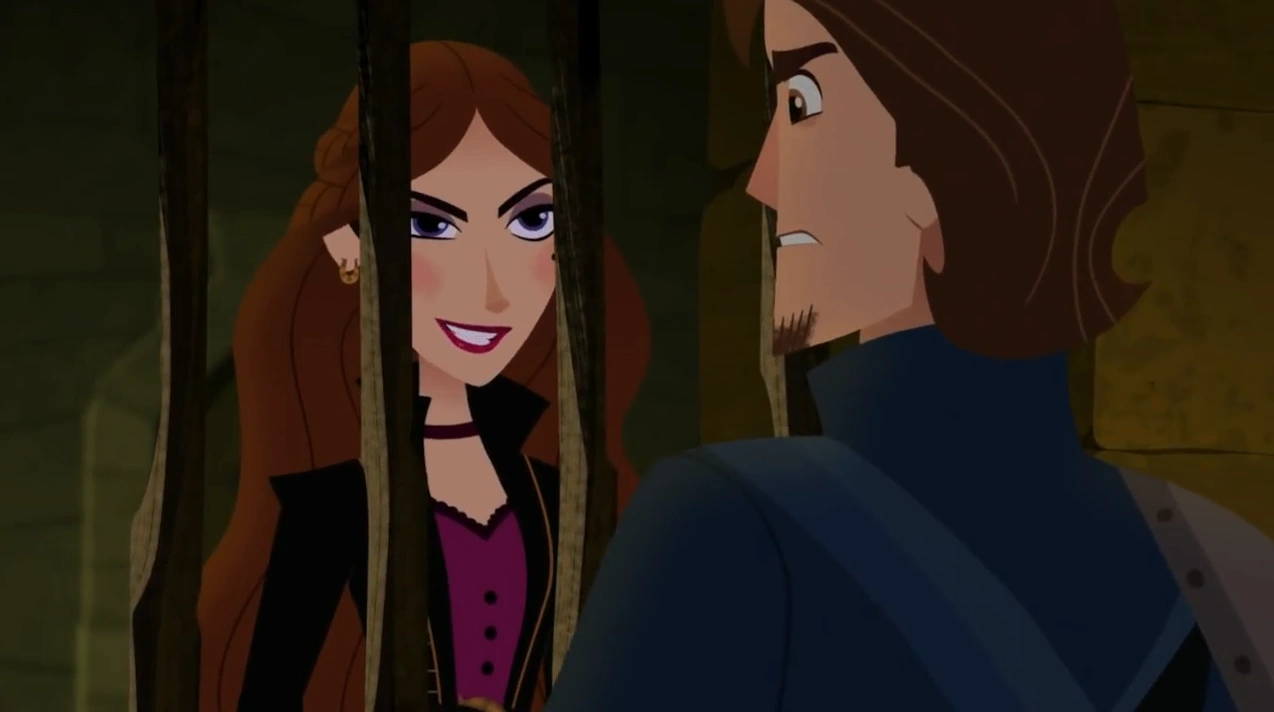
A variety of new characters will be added in this series, with many of them being female. Two of the most interesting are Madam Carnadist, a mysterious figure seen in a teaser at the end of last season, and Stalyan, Eugene’s ex-fiancée. Carnadist is voiced by stage and screen veteran Carol Kane, whilst Stalyan is voiced by Yvonne Strahovski. Strahowski’s role is especially significant for fans of the action comedy series Chuck, as she starred opposite Zachary Levi as the female lead. Both characters seem like they will cause significant trouble for Rapunzel and friends, but they will hopefully be given the depth and nuance needed to make them appealing and memorable.

The up and coming Lil Rel Howery will star as a character called Goodberry, and Britt Robertson is voicing a new teenage character called Vex. B-Movie icon Bruce Campbell has been cast as the ‘bizarrely charming’ King Edmund, whilst former James Bond Timothy Dalton (another actor who had a central role in Chuck) will voice an adventurer and inventor called Demanitus. Both have worked with Pixar in the past, but it’s pretty surprising to see them appear in a Disney channel series, and their presence will certainly entertain any fathers who happen to be watching. Meanwhile, Kathy Mixon has been cast as an alluring character called Seraphina and Kathy Namijy will voice an eccentric forest dweller. The most recent actor confirmed to be joining the cast is Lance Henriksen, who will apparently be voicing the Baron, a hitherto unseen crime boss whose minions have created trouble for Eugene and Lance in previous episodes. It is likely that all these characters are going to be recurring presences, and we could see further celebrities make one-off appearances throughout the season. The first season featured one-episode guest appearances from the likes of Danny Trejo, Bradley Whitford, Jane Krakowski and Ellen Greene, and more notable actors and actresses could follow in their footsteps.

Tangled: The Series Soundtrack – A Review

Tangled: The Series is not a full-on musical series in the vein of something like Glee or Crazy Ex-Girlfriend, but it often makes use of music, with each of the three ‘tentpole’ episodes containing two or three songs. Past animated series based on Disney films, such as The Little Mermaid and Hercules, also had semi-musical formats (although they featured more songs than Tangled: The Series), but Tangled: The Series stands out because it is the first Disney Channel series to feature new songs from Alan Menken, who composed the music for Disney classics like Beauty and the Beast and Aladdin. Menken wrote the songs for Tangled with Glenn Slater, and the duo returned to create ten new songs (two of which are reprises). The three ‘tentpole episodes’ of Tangled: The Series are pilot episode Tangled: Before Ever After, winter special Queen for a Day and season finale Secret of the Sundrop. All three feature songs which range from enjoyable diversions to genuinely interesting anthems worthy of comparison to the music from the original film – a pretty impressive feat given the reduced standards of a Disney Channel series.

The songs mostly fit an upbeat guitar-pop style reminiscent of ‘When Will My Life Begin’ from the original Tangled. Although this relative sameness narrows the audience (if you dislike acts such as Colbie Caillat, or hate the early songs of Taylor Swift, this soundtrack is not for you), it generally suits the sunny fairy tale approach of Tangled: The Series, even if the use of electric guitars in ‘Life After Happily Ever After’ and ‘I’ve Got This’ feels a bit jarring. However, it’s no coincidence that the best songs in the soundtrack are the ones which do something a little different. The translation of the songs from screen to album is somewhat inconsistent, as some songs keep the dialogue surrounding them (‘I’ve Got This’ and ‘Listen Up’) but in for other numbers (‘Wind in My Hair (reprise)’ and ‘Ready as I’ll Ever Be) all the extra dialogue gets cut. It’s no surprise to learn that former popstar Mandy Moore, and Broadway regulars Zachary Levi, Eden Espinosa and Jeremy Jordan, all give excellent performances, as they really do a great job bringing their characters to life. Clancy Brown does not have their technical ability, but his smooth and deep voice is always a pleasure to listen to.


The overriding theme of Tangled: The Series is Rapunzels’ struggle to balance the pressures and responsibilities of royal life with her own desire to see the world and go on adventures, and the songs in Tangled: Before Ever After, set this conflict up pretty strongly. The opening song, ‘Life After Happily Ever After’ does a solid job establishing what life is like in Corona’s royal palace for Rapunzel, Eugene and King Frederic. It also introduces the reliably compelling ‘after ever after’ theme of the series, as Rapunzel realises that struggles to cope with the pressures and responsibilities of life as a princess. The song conveys the rush of Rapunzel’s royal life very well, and the downbeat ending does a good job of highlighting Rapunzel’s anxieties. ‘Wind in My Hair’ is the second song from Tangled: Before Ever After, but it appears first on the album, most likely because it functions as the theme song for the entire Tangled series. As a lively pop anthem, it works excellently in this context, as it highlights Rapunzel’s enthusiasm and her desire to go on adventures, which is the overriding theme of the series. The song also gets a short reprise at the end of the episode, further cementing its status as the signature tune of the series.


Queen For A Day shows Rapunzel being put in temporary charge of the kingdom while her parents are away. Whilst managing life in Corona, she sings ‘I've Got This’, which adds old-fashioned folkier elements to the Tangled sound. It’s another energetic tune, but it features Rapunzel realising she is out of her depth as ruler of Corona, as every decision she makes leads to further problems. It is followed by ‘Let Me Make You Proud’, the signature song for new character Varian. This troubled young alchemist seeks to make his father Qurin proud at all costs, and his single-mindedness begins to turn into fanaticism throughout the episode. As Varian heads to Corona in a doomed attempt to seek help for Qurin, he sings this soaring power ballad, which is full of energy and passion, and easily the best song on this soundtrack. The short, downbeat reprise at the end of the episode sets up Varian’s descent into villainy in powerful fashion, as his pain and dismay at losing Quirin turns to anger. The closing lines are delivered in an aggressive fury which is genuinely quite menacing. Overall, Varian is probably the best Disney villain since Mother Gothel from the original Tangled, and the two versions of ‘Let Me Make You Proud’ demonstrate why he is such an effective character.

Although the vast majority of music in Tangled: The Series is confined to the tentpole specials, two songs came from other episodes. Pascals Story features a catchy new song called ‘Friendship Song’, sung by 15 year-old The Voice semi-finalist Brennley Brown. This tune was only heard for about 30 seconds in that episode, and is probably better in that smaller dose, as Brown’s energetic but immature voice and the relentlessly upbeat arrangement make the song feel rather cloying when extended to four times that length. Meanwhile, ‘Listen Up’ comes from Halloween special The Wrath of Ruthless Ruth. The song is performed by the titular ghost, who haunts the Snuggly Duckling tavern until she gets to fulfil her dream of singing in public. It represents a bit of a departure from the Tangled: The Series style, with a ‘haunted house’ atmosphere which is pleasingly spooky but never remotely scary – essentially, it’s what you would expect from a Halloween special for a Disney Channel series, but it’s still fun to listen to.


The two songs from season finale Secret of the Sundrop come late in the album, as they effectively feel like eleven o'clock songs for the first season as a whole. ‘Set Yourself Free’ is one of the weaker numbers on the album, as it sounds a little too much like a slightly more sombre version of ‘Wind in My Hair’. However, Mandy Moore does a good job of conveying Rapunzel’s need to keep her spirits up and her desire to escape the confines of her castle. The second song in the special, ‘Ready as I’ll Ever Be’ is far better. As Varian, Cassandra and Rapunzel prepare for the final battle, this song provides a warlike, invigorating prelude to the climax, demonstrating how strong the series can be when dealing with big themes and providing epic adventures.

The album concludes with ‘More of Me’, an end credits song performed by Natasha Bedingfield, who had big hits in the mid 2000’s with songs like ‘These Words’, ‘Pocketful of Sunshine’ and ‘Unwritten’. Her generally sunny and optimistic style is an excellent fit for the Tangled universe, but ‘More of Me’ also has a more modern feel which separates it from the rest of the songs on this soundtrack. It probably would have been a decent hit if Natasha had released it as a single at the peak of her career.

Overall, the Tangled: The Series soundtrack is a decent little album for fans of Tangled: The Series. When all the songs are put together, it becomes clear that their lively guitar-based approach can get a little annoying when overused. However, like the larger series, this soundtrack is colourful and entertaining, and there are enough genuinely interesting songs and moments to give it a much-needed edge.

Tuesday, 19 June 2018

How Will John Lasseter’s Downfall Affect Disney?

In the past year, almost every walk of life has been affected by revelations of sexual misconduct and exploitation, with numerous prominent figures having been accused of a wide range of awful actions. One of the most devastating scandals to occur during this time has been the set of revelations about the sordid and sleazy behaviour of John Lasseter, the chief creative officer at Walt Disney Animation Studios (AKA Disney Animation) and Pixar. There is no underestimating Lasseter’s impact on animation (and American cinema as a whole) since he co-founded Pixar in 1984, becoming its chief creative officer. The studio have become one of the most acclaimed and successful creative forces in Hollywood, with eight of their films winning Best Animated Film at the Oscars and two (Up and Toy Story 3) even competing in the Best Film category. In 2006, Lasseter also become chief creative officer at Disney Animation and spearheaded the 'Disney Revival’ by producing films like Frozen and Moana. However, this glittering career has ended in total disgrace, as the damage caused by Lasseter’s misbehaviour and the outrage it generated meant that dismissing him was the only acceptable option.

John Lasseter’s downfall has significantly tarnished the Disney brand, and the company will need to change their internal culture without disrupting the constant stream of animated classics which have made them so powerful and influential. Earlier today, Disney announced Lasseter’s two replacements. Pete Docter, the director of Up and Inside Out, will become Pixar’s chief creative officer, whilst Jennifer Lee, the writer and co-director of Frozen, will take over at Disney. Both are under enormous pressure to continue providing hits whilst allowing their studios to move forward in new directions…

The Lasseter Scandal – A Brief Outline

During the autumn of 2017, the #MeToo campaign led to the exposure of predators and perverts who had occupied powerful positions in almost every major industry. Abuses of power at other animation studios had already came to light, so it was only a matter of time before Disney became implicated in a major sexual harassment scandal as well. Lasseter’s misconduct was revealed towards the end of November, after a memo he circulated to Disney Animation and Pixar employees was leaked to the press. In this document, Lasseter admitted to a range of ‘missteps’, including ‘unwanted hugs’, and announced he was taking a six-month sabbatical to reflect on his conduct. As soon as the statement was published, insiders quickly came forward with stories of Lasseter groping female staff members during meetings and parties. These were followed by revelations that he had committed further invasions of privacy, including forcibly kissing female subordinates and harassing models who worked for the Disney Fairies product line. In addition, Lasseter was revealed to be an alcoholic, drinking heavily during a variety of important events. He was also accused of mistreating critics and perceived rivals at Disney and Pixar, and even falsely taking credit for the ideas of others.

In retrospect, it was probably inevitable that Lasseter, who was widely known for his uninhibited personality (he was once filmed hugging 48 people in a single day) would frequently cross the line into inappropriate and offensive behaviour. However, the revelations were still devastating for Disney Animation and Pixar’s numerous fans, as the seemingly affable and enthusiastic face of these iconic studios was exposed as a lecherous bully. The revelations also reflected badly on Disney as a whole, as it was revealed that they had hired ‘minders’ to keep Lasseter in check during events but had not taken any real action to stop him. Furthermore, a ‘Day of Listening’ aimed at addressing discontent with Lasseter’s behaviour at Pixar had been held in 2011, but failed to generate any change.

During the six months after Lasseter announced his sabbatical, Disney kept discussion of the case to a minimum, possibly in the hope that the scandal would die down. However, it proved impossible to suppress the bad publicity affecting the company. In May, as concern grew that other wrongdoers exposed around the same time as Lasseter would return to their former power, an article from Wall Street Journal implied that Lasseter could regain his status as creative head, albeit with reduced managerial powers. This misguided proposal attracted considerable condemnation, and protests against Lasseter’s actions gained new potency. A #LoseLasseter hashtag was shared across social media, with numerous workers at Disney promoting petitions opposing his return. These probably convinced the heads of Disney that it was no longer possible for Lasseter to stay at the studio. Earlier this month, Disney announced that Lasseter would leave Disney Animation and Pixar for good on December 31st 2018, spending the period until then demoted to a consulting role. Bob Iger, president of the Walt Disney Company, issued a sanitised statement in which he praised Lasseter’s success at Pixar and Disney Animation, and expressed optimism about the future of the two studios. Lasseter also issued a statement where he claimed that the end of 2018 was the right time to leave and “begin focusing on new creative challenges”. In true Disney fashion, the upbeat statements concealed an unpleasant and seedy reality, but the unspoken implications were clear – the outrage at Lasseter’s misconduct had led to him going into an early retirement.

It goes without saying that there are numerous problems with the final settlement. Lasseter’s ‘Creative Consultant’ role is essentially the proposed ‘creative lead’ role used as a temporary, stop-gap measure. The six-month transition period is too long, and there is little clarity over how he will contribute to the company during this time (he will not even have an office at their studios). The highlights the fact that Disney’s response has been focused on trying to find compromises in a situation where this brand of diplomacy feels extremely inadequate. One explanation for this is Iger’s fear that a tougher response could cause Lasseter to become a major rival to Disney. This situation is not without precedent (Jeffrey Katzenberg, Disney’s Head of Production during their early 1990’s ‘Renaissance’, was fired in 1994 and responded by establishing the rival Dreamworks studio) but it feels insensitive to promote the prospect that Lasseter will find a way to remain a major power in the animation industry, given that so many people are disgusted by his conduct. Disney’s failure to deal quickly or decisively with Lasseter has made the company seem weak and uncaring in the face of the demands for change generated by #MeToo and the subsequent #TimesUp movement.  Nonetheless, the fact that he has finally been held to account for his awful behaviour is proof that the #MeToo movement can succeed in forcing seismic change.

Disney's Future.                           

Whilst Lasseter’s dismissal is a notable victory for the employees at Disney and the battle for a more diverse and progressive studio, there will be numerous questions over the extent to which a change in leadership will affect the quality of Disney Animation and Pixar’s output. The Incredibles 2 was the first Disney/Pixar film to still be in production when Lasseter went on leave, but the generally positive critical reception indicates that it has survived the behind-the-scenes turmoil. However, there are three more Disney/Pixar sequels deep in production. Wreck It Ralph 2 (AKA Ralph Breaks the Internet), Toy Story 4 and Frozen 2 are under extra pressure to succeed, as their critical and commercial reception will indicate how well Disney Animation and Pixar have adjusted to the changes caused by the scandal. Disney Animation have often struggled without a strong leader, with the death of Walt Disney and the firing of Jeffrey Katzenberg leading to long wilderness periods that left Disney’s animation wing in seriously poor health. If this situation repeats itself again, it could lead to serious questions about their long-term future.

This article has often conflated Disney Animation and Pixar due to Lasseter’s leading role at both studios, but they have very different creative environments, with different key figures. Although Lasseter has been in charge at Pixar for 34 years (compared to his 12 years as Disney Animation’s chief creative officer), they will probably be less affected by his departure, due to the more experienced ‘brain trust’ firmly established there. However, Disney Animation have a far younger and less experienced set of creatives, and this could easily be a major problem. The difference in experience at both studios is made clear when you look at the careers of their new creative chiefs. Pete Docter has been working with Pixar for almost 30 years, and as Vice President of Creativity at Pixar, effectively became Lasseter’s second-in-command there. With his reputation for writing and directing some of Pixar’s best films, and a collaborative leadership style which has made him popular in the animation community, Docter was probably the most obvious choice to take over at Pixar. In contrast, Jennifer Lee has only been part of Disney Animation’s writing team since 2011, and her inexperience has generated both advantages and disadvantages. Frozen became such a successful film because it took chances and subverted traditional Disney tropes in spectacular fashion whilst still providing colourful family-friendly entertainment full of catchy songs. A more experienced director would have provided a safer, more conventional film which would not have captured the imagination of the public in the same way. However, there were problems with Frozen’s story and characterisation, which were placed into sharp focus by the sheer inescapable popularity of the movie. Jennifer Lee is still at a relatively early stage in her career, and needs training and assistance in order to transition from a raw talent to a figure as acclaimed and respected as Pixar’s veteran directors (It is worth noting that Lee’s co-director on Frozen was Chris Buck, who has been with Disney Animation since 1978). Therefore, giving her such an important leadership role so quickly is a tremendous risk.

The presence of a new creative head will hopefully provide some benefits. During the 2010’s, Pixar have often been criticised for their over-reliance on sequels, with Cars 2 receiving a particularly hostile reception. Disney Animation have also been struggling to provide new and original movies, with Gigantic, a new take on Jack and the Beanstalk, getting cancelled in favour of sequels to Wreck It-Ralph and Frozen. There is also a risk that the winning formula used in most recent Disney Animation and Pixar hits is wearing thin. Most of the movies produced under Lasseter’s leadership at both studios have featured stories about an odd couple going on an incredible journey, large helpings of self-deprecating humour, and surprise villains whose true nature is only revealed near the end of the film (the idea of a seemingly friendly and likeable character turning out to be a horrible person feels a lot more uncomfortable in hindsight, for obvious reasons). Although their movies have still generally ranged from being very good to being excellent, there has definitely been some stagnation at both Disney Animation and Pixar in recent years, reminiscent of the overly prosaic approach which caused Disney Animation to fall from grace during the late 1990s. A new creative head could allow the studios to become more innovative and exciting whilst avoiding the failures which defined their previous eras of transition.

Practise What You Preach

Lasseter’s misdemeanours led to increased focus on the diversity issues which have affected Pixar in particular. The studio has been known as a ‘Boys Club’, with their movies excessively focusing on the journeys of male protagonists. Recently, Pixar have sought to move away from its excessively masculine image. Inside Out centred on two female leads, whilst Finding Dory and The Incredibles 2 both upgraded the most prominent female characters from the original movies into the primary protagonists. However, the greater levels of female representation in the films has not done much to change the problematic culture behind the scenes. In 2008, Brenda Chapman was hired to direct Brave, the first Pixar film with a female protagonist. However, she was dismissed from the project in 2011 and replaced with a male director. In a widely circulated article, Chapman complained about the way in which she had continually been ignored and dismissed by the Pixar elite. Unfortunately, the discontent generated by this episode did not result in major change. Rashida Jones and her husband Will McCormick were attached to write Toy Story 4, but withdrew from the project. After rumours that Jones had been harassed by Lasseter, she confirmed that her decision to quit the project was based on frustration with the fact that Pixar did not give women or minority writers an “equal creative voice”. This departure only confirmed the institutional inequalities at Disney and Pixar, and Lasseter’s disrespect towards his female employees is only the most extreme manifestation of this regressive culture.

(Note: Since Rashida Jones quit Toy Story 4, Pixar have made steps in the right direction, hiring Stephany Folsom to replace her on that project and appointing Dommee Shi– director of the acclaimed short Bao – to contribute to the story team set up following Lasseter’s departure. They still have a long way to go, but these changes are highly encouraging)

The need to provide a feminist environment is especially important for Disney Animation, due to their focus on female-orientated output. The films of the Disney Revival era, such The Princess and the Frog, Tangled, Frozen, Zootropolis and Moana, have ensured that Disney Animation’s female protagonists are more popular and important than ever. Characters like Tiana, Rapunzel, Anna, Elsa and Moana enjoy an appeal that goes far beyond the traditional ‘young girl’ demographic associated with Disney Princesses. Men and women of all ages have become increasingly open in expressing their love for Disney Animation’s recent movies, and the protagonists of these have become icons amongst those seeking to fight discrimination and exclusion. Therefore, Disney are under considerable pressure to set a positive example for this expanding audience. This is why the attempts to downplay or excuse Lasseter’s actions by comparing him to more extreme offenders are so misguided, as dismissing workplace harassment demonstrates a complete disrespect towards those affected by it (many of the women mistreated by Lasseter quit working for Disney as a result of his actions), and implies that they should remain subservient. Before they can provide positive, forward-thinking movies, Disney Animation need to provide a positive, forward-thinking workplace for their employees. Therefore, Jennifer Lee is the ideal choice to replace Lasseter. Animation is still dominated by males, so giving Jennifer Lee the opportunity to take over will allow them to lead the way in terms of female representation.

Conclusion

It goes without saying that John Lasseter’s misconduct, and Disney’s failure to deal with it properly, have done considerable damage to the studio and undermined its family-friendly reputation. However, now that he has finally left, we need to start looking to the future, and it is worth being highly optimistic about the evolution of Disney Animation and Pixar. The two studios have never just been about one man, and the numerous talented creatives there should be able to flourish in a more positive and stable environment, without the tension and animosity generated by Lasseter.  I am hopeful that Disney can go on providing appealing and inspirational animated films, and the new generation of writers and directors headed by Docter and Lee will be able to create a new range of animated classics which can be enjoyed for decades to come.